


x

Impressão giclée ou em tela de qualidade de museu, com produção rápida e opções flexíveis de acabamento. ( Comprar pintura feita à mão Comprar imagem)





























Escolha entre os nossos tamanhos pré-definidos que respeitam as proporções originais da obra de arte.

Você pode inserir suas próprias dimensões para se ajustar a uma moldura ou espaço específico. Se o tamanho selecionado não corresponder às proporções da imagem original, iremos recortar a obra de arte ou estender a imagem com uma borda espelhada ou preenchimento sólido. Um mockup digital será enviado para sua aprovação antes do início da produção.
Por favor, observe que a visualização na tela não reflete o recorte ou a extensão real. Apenas o mockup mostrará com precisão a composição final.
Embora tamanhos personalizados estejam disponíveis, recomendamos selecionar uma dimensão da lista predefinida para preservar as proporções originais.
Entrega mundial () em 2 semanas, em vez das 4/5 semanas padrão. (23 Agosto)


At the Garden Table
Tamanho da Reprodução
August Macke's At the Garden Table is a captivating oil on canvas painting created in 1914, offering a vibrant and intimate portrayal of everyday life through the lens of Fauvism. This artwork exemplifies Macke’s unique ability to distill complex scenes into elegant compositions characterized by bold colors and energetic brushstrokes. The piece, now residing within the esteemed collection of the Baltimore Museum of Art, invites viewers to step into a tranquil garden setting where two figures engage in quiet contemplation.
August Robert Ludwig Macke (1887-1914) was a pivotal figure in the German Expressionist movement. Born in Meschede, Germany, his artistic journey began at the Kunstakademie Düsseldorf. Initially influenced by Impressionism and Post-Impressionism, Macke's style underwent a significant transformation following his exposure to French Fauvism. A crucial turning point arrived with his encounter with Robert Delaunay in Paris (1912), which introduced him to Chromatic Cubism or Orphism – a style he incorporated into works like Shops Windows, blending it with the dynamism of Italian Futurism. As a member of Der Blaue Reiter (The Blue Rider) group, Macke sought to express inner emotions and spiritual experiences through color and form, departing from traditional representational art.
At the Garden Table showcases several defining characteristics of Macke’s artistic approach. The painting depicts two individuals seated at a table within a lush garden environment, surrounded by vibrant greenery and colorful flowers. Macke's masterful use of bold, saturated colors—ranging from striking greens and yellows to deep blues and reds—creates an immediate sense of energy and visual excitement. Geometric shapes are strategically employed to structure the composition, fostering a feeling of harmony and balance despite the seemingly spontaneous brushwork. The flattened perspective contributes to the painting’s immediacy, drawing the viewer into the scene. Macke's skillful manipulation of light and shadow adds depth and dimension, enhancing the overall sense of warmth and intimacy.
Created in 1914, just before the outbreak of World War I, At the Garden Table reflects a yearning for tranquility and beauty amidst growing societal unrest. The painting’s subject matter—a simple scene of everyday life—can be interpreted as a celebration of ordinary moments and human connection. While seemingly straightforward, the artwork also carries symbolic weight. The garden setting itself can represent paradise or an idyllic escape from the harsh realities of the world. Macke's vibrant color palette may symbolize joy, vitality, and optimism, offering a counterpoint to the impending darkness of war. The painting’s style is distinctly Expressionistic, characterized by distorted forms, heightened colors, and an emphasis on conveying inner emotions.
At the Garden Table stands as a testament to August Macke's artistic genius and his contribution to the development of modern art. His unique style continues to inspire artists today, demonstrating the enduring power of color, composition, and emotional expression. The painting’s ability to evoke a sense of warmth, intimacy, and quiet contemplation makes it a truly captivating piece—a timeless reflection on the beauty of everyday life.


1887 - 1914 , Alemanha

Descubra as 25 obras-primas de Renoir, o mestre do Impressionismo! Explore a história, cores vibrantes e emoção por trás de quadros icônicos como 'Bal au moulin de la Galette'. Encontre reproduções de arte exclusivas para decorar sua casa com elegância em Most-Famous-Paintings.com.

Explore the vibrant Expressionist paintings of August Macke (1887-1914). Discover his key role in Der Blaue Reiter, Fauvist influences, and captivating depictions of modern life. A comprehensive guide for art enthusiasts & collectors.

Explore the rich history of gardens in painting! Discover masterpieces from Renaissance to Impressionism & beyond. Learn about symbolism, artists like Monet & Klimt, and find your perfect artwork at Most-Famous-Paintings.
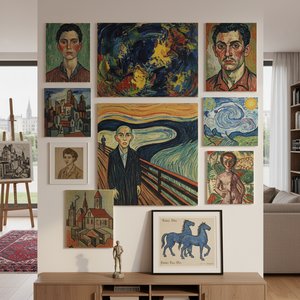
Descubra as 10 obras-primas do Expressionismo que revolucionaram a arte moderna! Explore a emoção, cores vibrantes e histórias de Munch, Kirchner, Kandinsky e outros artistas icônicos. Encontre reproduções de alta qualidade em Most-Famous-Paintings.com.
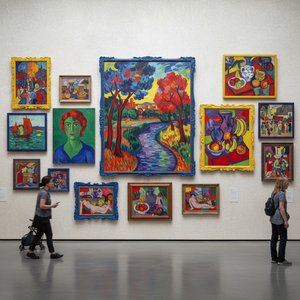
Descubra as 10 obras-primas do Fauvismo, com Matisse e Derain! Explore a história, cores vibrantes e técnicas revolucionárias deste movimento artístico. Encontre reproduções de arte exclusivas para decorar sua casa em Most-Famous-Paintings.com.


Fique por dentro das últimas notícias de arte, ofertas exclusivas e ideias de decoração.
Conte-nos sobre o seu projeto e os nossos especialistas em arte fornecerão 3 sugestões de arte personalizadas.
Deixe que selecionamos 3 opções especialmente para você – Grátis!


 Visualizar na parede
 Compartilhar
 Compartilhar
 Detalhes

 Baixar imagem
 Semelhantes
 Raio X
 Slideshow

 Ler mais







 A opção de vidro está disponível apenas para tamanhos inferiores a 110 cm


