


x


Impressão giclée ou em tela de qualidade de museu, com produção rápida e opções flexíveis de acabamento. ( Switch to hand made Painting Switch to Image)
Escolha entre os nossos tamanhos pré-definidos que respeitam as proporções originais da obra de arte.

Você pode inserir suas próprias dimensões para se ajustar a uma moldura ou espaço específico. Se o tamanho selecionado não corresponder às proporções da imagem original, iremos recortar a obra de arte ou estender a imagem com uma borda espelhada ou preenchimento sólido. Um mockup digital será enviado para sua aprovação antes do início da produção.
Por favor, observe que a visualização na tela não reflete o recorte ou a extensão real. Apenas o mockup mostrará com precisão a composição final.
Embora tamanhos personalizados estejam disponíveis, recomendamos selecionar uma dimensão da lista predefinida para preservar as proporções originais.
Entrega mundial () em 2 semanas, em vez das 4/5 semanas padrão. (28 Julho)


Minerva
Dimensões da Reprodução
Benvenuto Cellini's "Minerva," crafted in 1545 during the twilight of the High Renaissance, isn't merely a bronze sculpture; it’s a meticulously constructed embodiment of Roman virtue and strategic intellect. This imposing figure, standing nearly nine feet tall and housed within the hallowed halls of Florence’s Bargello Museum, commands attention not just through its scale but through the profound depth of its symbolism and the sheer virtuosity of Cellini's hand.
Cellini, a polymath renowned as a goldsmith, sculptor, and celebrated author of his own captivating autobiography, infused this work with the spirit of his era – a blend of Mannerist drama, classical ideals, and an undeniable flair for the theatrical. He wasn’t simply replicating a goddess; he was channeling her essence, imbuing the bronze with a palpable sense of power, wisdom, and strategic command. The sculpture represents Minerva, the Roman deity associated with intelligence, justice, and victory in battle – qualities that Cellini himself embodied throughout his extraordinary life.
The creation of "Minerva" is a testament to Cellini’s unparalleled skill as a sculptor. The piece exemplifies the lost-wax casting method, a technique demanding immense patience and precision. First, a wax model was meticulously crafted, capturing every nuance of Minerva's pose – her right arm raised in a gesture of authority, her left hand holding drapery that flows with dynamic grace. This delicate wax form was then encased in layers of clay, creating a robust mold. Once the clay hardened, it was carefully removed, revealing the wax model beneath. Finally, molten bronze was poured into the mold, filling every crevice and contour. Upon cooling, the mold was broken away, leaving behind the solid bronze sculpture.
Crucially, Cellini didn’t rely solely on the inherent beauty of the metal; he masterfully manipulated its surface to create a rich, complex patina – a layer of color achieved through controlled oxidation and polishing. The deep browns, ochres, and hints of reddish-browns aren't merely decorative; they enhance the sculpture’s three-dimensionality, highlighting the textures of the drapery, the musculature of Minerva’s body, and the subtle sheen of the bronze itself. This careful attention to surface detail elevates the work beyond a simple representation, transforming it into a truly immersive experience for the viewer.
Beyond its technical brilliance, "Minerva" is laden with symbolic meaning. The goddess’s posture – her raised arm and commanding gaze – immediately conveys authority and strategic thinking. Her attire, a flowing robe adorned with intricate folds, speaks to both dignity and grace. But it's the details that truly reveal Cellini’s intent. Minerva holds a shield, not of war, but one reflecting the image of the sea, symbolizing her dominion over both land and water – representing wisdom and strategy. The inclusion of marine creatures—horses, fish, and shells—further reinforces this connection to the ocean's depths, suggesting an understanding of hidden knowledge and strategic foresight.
The sculpture’s placement within the Loggia dei Lanzi in Florence is also significant. This open-air gallery, a showcase for Renaissance art, served as a public forum for artistic expression and intellectual debate. By placing "Minerva" here, Cellini sought to engage viewers in a contemplation of virtue, intellect, and the complexities of leadership – qualities that resonated deeply with the Florentine elite of his time.
“Minerva” stands as a pivotal work in Benvenuto Cellini’s oeuvre and a landmark achievement in Renaissance sculpture. It exemplifies the artist's mastery of technique, his profound understanding of symbolism, and his ability to capture the essence of classical ideals within a distinctly Mannerist style. More than just a beautiful object, it is a window into the mind of a remarkable artist – a testament to the enduring power of art to inspire, provoke thought, and transcend time.
Benvenuto Cellini, um nome que ressoa com a exuberância e o espírito indomável do Renascimento italiano, foi muito mais do que um simples artista. Ele personificou a figura do homem universal, dominando a ourivesaria, a escultura, a música, a escrita e até mesmo as artes da guerra. Sua vida, narrada em uma autobiografia vibrante e reveladora, é uma crônica fascinante de ambição, talento, perigo e triunfo, oferecendo um vislumbre único do mundo artístico e social da Itália nos séculos XVI.
Nascido em Florença em 1500, filho de um músico e fabricante de instrumentos, Cellini inicialmente demonstrou aptidão para a música. No entanto, aos quinze anos, sua paixão pela arte o levou a convencer seu pai a permitir que aprendesse a arte da ourivesaria com Marcone. Essa decisão marcaria o início de uma jornada artística extraordinária, embora não isenta de desafios. Aos dezesseis anos, envolvido em um confronto, foi banido de Florença e passou um período trabalhando em Siena sob a tutela do ourives Fracastoro. Essas experiências iniciais moldaram seu caráter e aprimoraram suas habilidades técnicas, lançando as bases para o sucesso futuro.
A genialidade de Cellini se manifesta em uma série de obras-primas que exemplificam o estilo Mannerista, caracterizado pela dramaticidade, a elegância e a complexidade. O *Altar da Catedral de Florença*, embora inacabado, demonstra sua ambição monumental. No entanto, é o *Cálice de Sal para Francisco I* que se destaca como talvez sua obra mais famosa – uma peça deslumbrante em prata e esmalte, repleta de figuras dinâmicas e detalhes intrincados, atualmente abrigada no Kunsthistorisches Museum em Viena. A escultura *Perseu com a Cabeça de Medusa*, exibida na Loggia dei Lanzi em Florença, é outro testemunho de sua maestria técnica e composicional, capturando o momento triunfal do herói grego com uma expressividade impressionante. Além disso, suas medalhas, como a dedicada a Leda e o Cisne, revelam sua habilidade em combinar mitologia clássica com um requinte artesanal inigualável.
Além de seu talento artístico, Cellini deixou um legado literário duradouro através de sua autobiografia. Escrita em um estilo vívido e pessoal, a obra oferece uma visão privilegiada da vida de um artista renascentista, repleta de anedotas sobre patronos, rivalidades e aventuras pessoais. Embora por vezes tendenciosa e autoelogiativa, a autobiografia é uma fonte inestimável para compreender o contexto artístico, social e cultural da época. Através de suas palavras, somos transportados para um mundo de intrigas palacianas, festas extravagantes e paixões intensas, revelando a personalidade complexa e multifacetada de Benvenuto Cellini.
Benvenuto Cellini faleceu em Florença em 1571, deixando para trás um legado artístico e literário que continua a inspirar admiração e fascínio. Sua habilidade técnica, sua inovação artística e sua autobiografia cativante o consagraram como uma das figuras mais importantes do Mannerismo. Ele personifica o ideal renascentista – um homem de múltiplas habilidades, impulsionado pela ambição e ousado em expressar sua individualidade. Suas obras, celebradas por sua beleza, artesanato impecável e poder dramático, garantem seu lugar como um dos pilares da história da arte ocidental.

1500 - 1571 , Itália

Explore the life & art of Benvenuto Cellini, Renaissance goldsmith & sculptor. Discover his iconic 'Perseus,' masterful techniques, and enduring legacy – a collector's essential guide.
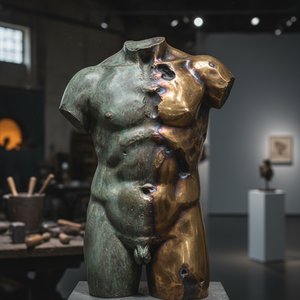
Explore o legado da escultura em bronze: história, técnicas milenares como a cera perdida e tendências contemporâneas. Guia para colecionadores e apreciadores de arte.

Explore the rich history & enduring appeal of bronze sculpture with expert insights for collectors at Most-Famous-Paintings. Learn about casting techniques, iconic artists, and collecting tips to build a discerning art collection.

Descubra as 10 esculturas em bronze mais influentes da história! Explore a arte de Rodin, Michelangelo e outros mestres. Reproduções de alta qualidade para decorar sua casa com elegância. Most-Famous-Paintings.

Descubra as 10 esculturas em bronze mais icônicas da história! Explore a arte de Rodin, Michelangelo e outros mestres. Encontre reproduções de alta qualidade para sua casa em Most-Famous-Paintings.com.


Fique por dentro das últimas notícias de arte, ofertas exclusivas e ideias de decoração.
Conte-nos sobre o seu projeto e os nossos especialistas em arte fornecerão 3 sugestões de arte personalizadas.
Deixe-nos selecionar 3 opções especialmente para você – Grátis!


 Enviar
 Compartilhar
 Detalhes da obra

 Baixar
 Semelhantes
 Slideshow


 Ver mais




































 A opção de vidro está disponível apenas para tamanhos inferiores a 110 cm


