


x

 Renaissance
 1450
1450 25.0 x 16.0 cm
Óleo sobre tela pintado à mão no seu tamanho e moldura, feito sob encomenda pelos nossos artistas. ( Encomendar impressão Comprar imagem em alta resolução)





























Escolha entre os nossos tamanhos pré-definidos que respeitam as proporções originais da obra de arte.

Pode inserir as suas próprias dimensões para se adequar a uma moldura ou espaço específico. Se o tamanho selecionado não corresponder às proporções da imagem original, iremos cortar a obra de arte ou estender a pintura com elementos adicionais pintados à mão. Um esboço digital será enviado para sua aprovação antes do início da produção.
Tenha em atenção que a pré-visualização no ecrã não reflete o corte ou extensão real. Apenas o esboço mostrará com precisão a composição final.
Embora tamanhos personalizados estejam disponíveis, recomendamos selecionar uma dimensão da lista predefinida para preservar as proporções originais.
Entrega mundial () em 3 a 4 semanas, em vez das 5 semanas padrão. (14 Agosto). Sem comprometer a qualidade.


De Sphaera
Dimensões da Reprodução

Cristoforo de Predis (c. 1440 – c. 1486) remains an enigmatic figure in the annals of Florentine art history, largely obscured by the brilliance of his contemporaries—Leonardo da Vinci and Michelangelo—yet undeniably significant for his contribution to the burgeoning humanist aesthetic of the Quattrocento.
Born deaf and mute in San Vincenzo near Prato, Cristoforo’s early life was marked by profound limitations that paradoxically fostered a unique perspective on artistic creation. His parents, Leonardo de Predis and Margaret Giussani, were prominent figures in Florentine society, fostering an environment where intellectual curiosity thrived—a circumstance that would prove crucial to his formative years.
Despite his disability, Cristoforo’s talent for illumination quickly emerged, attracting the patronage of influential families like the Borromeo. His distinctive style – characterized by meticulous detail and a masterful understanding of color palettes – distinguished him from many other artists of his time. He embraced the humanist ideals championed by Pico della Mirandola and Marsilio Ficino, reflecting these philosophical currents in his artistic endeavors.
Cristoforo’s oeuvre comprises four extant manuscripts, primarily illuminated Gospels and Psalters, demonstrating a remarkable command of technique and stylistic innovation. Notably, the Borromeo Book of Hours stands as a testament to his skill—a lavishly decorated manuscript featuring intricate floral borders and vibrant pigments that exemplify the artistic fervor of Florence during the Renaissance.
Leonardo da Vinci himself recognized Cristoforo’s exceptional abilities, recounting an encounter where he remarked on the profound wisdom gleaned from individuals devoid of speech. This anecdote underscores the broader humanist preoccupation with sensory experience and intellectual contemplation—themes that resonate throughout Cristoforo’s artistic output.
Cristoforo de Predis's contribution to Renaissance art lies not merely in his technical prowess but also in his embodiment of humanist ideals – a silent witness to an era defined by intellectual exploration and artistic flourishing. His work continues to fascinate scholars today, prompting ongoing debates about the role of disability in fostering creativity and shaping artistic vision.

APS oferece reproduções de belas artes e encomendas personalizadas desde 2004. Corporações, hotéis e colecionadores selecionados confiam em nós para obras de arte com qualidade de museu, serviço discreto e soluções artísticas completas. Entre em contato conosco para um orçamento personalizado!
Descubra as 25 obras-primas de Francisco Goya, o mestre espanhol do Romantismo. Explore retratos icônicos, gravuras impactantes e a história por trás de 'Saturno Devorando seu Filho' e 'A Majas'. Encontre reproduções de arte exclusivas para decorar sua casa com Most-Famous-Paintings.com.

Descubra a nossa história! Levamos arte de classe mundial à sua vida através de uma seleção especializada, criações personalizadas e prévias gratuitas. Aprovado por particulares e empresas desde 2000.
Explore the captivating world of Pieter de Hooch, a master of Dutch Golden Age painting. Discover his innovative use of light, intimate domestic scenes, and lasting influence on art history. Learn more at Most-Famous-Paintings.

Explore the revolutionary De Stijl movement & Neo-Plasticism with our expert guide. Discover Piet Mondrian, Theo van Doesburg, and the lasting impact of this influential art style. Learn about collecting & investing in De Stijl masterpieces.


Fique por dentro das últimas notícias de arte, ofertas exclusivas e ideias de decoração.
Conte-nos sobre o seu projeto e os nossos especialistas em arte fornecerão 3 sugestões de arte personalizadas.
Deixe que selecionamos 3 opções especialmente para você – Grátis!


 Visualizar em escala
 Enviar
 Compartilhar
 Ver detalhes

 Baixar
 Semelhantes
 Raio X
 Apresentação de slides
 Ver mais







 A opção de vidro está disponível apenas para tamanhos inferiores a 110 cm


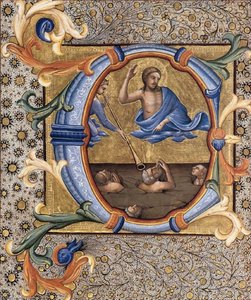


![Vida De Miguel De Cervantes Saavedra (life Of Miguel De Cervantes Saavedra). Book V Of The Edition Of Don Quixote (biblioteca Nacional De España)\n\n[7] — Martín Fernández De Navarrete Y Ximénez De Tejada, Academic Art](/media/artworks/images/thumbnails/99/f9/99f969c294754562907a5ffd062310fa.jpg)

