


x


 Oil On CanvasWallArtVorticism
 Modern
 152.0 x 224.0 cm
 Tate Britain
Impressão giclée ou em tela de qualidade de museu, com produção rápida e opções flexíveis de acabamento. ( Mudar para pintura feita à mão Alternar para Imagem)





























Escolha entre os nossos tamanhos pré-definidos que respeitam as proporções originais da obra de arte.

Você pode inserir suas próprias dimensões para se ajustar a uma moldura ou espaço específico. Se o tamanho selecionado não corresponder às proporções da imagem original, iremos recortar a obra de arte ou estender a imagem com uma borda espelhada ou preenchimento sólido. Um mockup digital será enviado para sua aprovação antes do início da produção.
Por favor, observe que a visualização na tela não reflete o recorte ou a extensão real. Apenas o mockup mostrará com precisão a composição final.
Embora tamanhos personalizados estejam disponíveis, recomendamos selecionar uma dimensão da lista predefinida para preservar as proporções originais.
Entrega mundial () em 2 semanas, em vez das 4/5 semanas padrão. (31 Julho)


The Mud Bath
Dimensões da Reprodução
In the realm of early twentieth-century modernism, few works capture the raw, pulsating energy of the machine age quite like David Bomberg’s The Mud Bath. This Vorticist masterpiece serves as a breathtaking exploration of movement, where the boundaries between form and void dissolve into a rhythmic dance of geometry. At first glance, the viewer is met with a controlled chaos—a complex web of interlocking triangles, rectangles, and irregular polygons that seem to vibrate against a muted, earthy backdrop. The composition is anchored by a central vertical axis, reminiscent of a structural pillar or a primordial tree, which acts as a stabilizer for the swirling, angular fragments that orbit it. It is a painting that does not merely sit upon the canvas but seems to actively construct itself before the eyes of the observer.
The color palette of this work is both disciplined and profoundly impactful, utilizing a limited spectrum to achieve maximum visual tension. A dominant, fiery red provides an intense warmth that surges through the composition, while sharp strikes of cobalt blue offer a cooling contrast, adding much-needed depth to the flattened pictorial plane. These primary tones are punctuated by brilliant whites that highlight the edges of the geometric shards, creating a crisp, staccato rhythm. The background, a soft and understated beige, provides a grounding element that prevents the vibrant shapes from feeling untethered, allowing the structural complexity of the work to remain the focal point.
To understand The Mud Bath, one must look toward the radical artistic movements of the post-war era. Bomberg, a prominent figure among the 'Whitechapel Boys,' was deeply immersed in the avant-garde currents of Cubism and Futurism. This specific piece exemplifies the essence of Vorticism—a movement that sought to find the "vortex" at the heart of modern life, capturing the dynamism and mechanical precision of an industrializing world. Unlike the more fluid abstractions found in other movements, Bomberg’s approach here is architectural and structural; he strips away the superficiality of nature to reveal the underlying skeletal energy of the subject matter.
While the title might suggest a literal depiction of a landscape or a natural process, the painting functions primarily as an exploration of pure form. Any connection to the organic—the suggestion of foliage, water, or earth—is purely symbolic, serving as a ghostly echo of reality beneath the heavy layers of abstraction. For the discerning collector or interior designer, this artwork offers more than just visual interest; it provides a sophisticated focal point that commands attention through its historical weight and structural integrity. A high-quality reproduction of this piece brings with it an aura of intellectual depth and a bold, modern aesthetic that can transform a contemporary space into a gallery of profound artistic significance.

Nascido de pais imigrantes polaco-judeus, Abraham e Rebecca Bomberg, estudou inicialmente na City and Guilds Technical Art School antes de se formar como litógrafo em Birmingham.
Estudou sob a tutela de Walter Sickert na Westminster School of Art (190los-1910), influenciado pelo foco de Sickert na forma e na vida urbana. Teve uma exposição significativa à obra de Paul Cézanne através da exposição de 1910 de Roger Fry, "Manet and the Post-Impressionists". Frequentou a Slade School of Art (1911), onde conquistou o Prêmio Tonks pelo seu desenho do colega de turma Isaac Rosenberg.
As experiências como soldado raso durante a Primeira Guerra Mundial impactaram profundamente a sua visão artística, levando-o a afastar-se da abstração.
A década de 1920 viu Bomberg adotar um estilo mais figurativo, focando-se em retratos e paisagens extraídas diretamente da natureza. Desenvolveu uma técnica cada vez mais expressionista, marcada pelo impasto texturizado e pela intensidade emocional.
As extensas viagens pelo Médio Oriente (particularmente na Palestina) e pela Europa influenciaram significativamente a sua obra tardia. As suas representações de Jerusalém são particularmente notáveis.

1890 - 1957 , Reino Unido
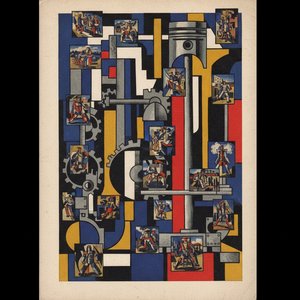
Descubra as 25 obras-primas de Fernand Léger, pioneiro do tubismo e da arte moderna. Explore a história, cores vibrantes e técnicas inovadoras por trás de seus quadros icônicos. Encontre reproduções de alta qualidade para decorar sua casa com estilo em Most-Famous-Paintings.com.
Descubra as 25 obras-primas de Wassily Kandinsky, pioneiro da arte abstrata! Explore a história, cores e significado por trás de cada pintura. Encontre reproduções de alta qualidade e inspire sua decoração em Most-Famous-Paintings.com.

Descubra as 25 obras-primas do Metropolitan Museum of Art em Nova York! Explore a história de Van Gogh, Monet e outros artistas renomados. Encontre reproduções de arte exclusivas para decorar sua casa com elegância. Most-Famous-Paintings.com – Sua fonte de inspiração artística.
Descubra as 25 obras mais emblemáticas do MoMA, de Van Gogh a Warhol! Explore a história da arte moderna, movimentos como Cubismo e Expressionismo, e encontre reproduções de alta qualidade para decorar sua casa. Inspire-se em Monet, Picasso e Kandinsky. Explore a coleção completa na Most-Famous-Paintings.com

Explore the groundbreaking work of David Bomberg, a pivotal figure in British abstraction. Discover his artistic evolution, influences, and lasting legacy through insightful analysis & expert commentary.


Fique por dentro das últimas notícias de arte, ofertas exclusivas e ideias de decoração.
Conte-nos sobre o seu projeto e os nossos especialistas em arte fornecerão 3 sugestões de arte personalizadas.
Deixe-nos selecionar 3 opções especialmente para você – Grátis!


 Visualizar em escala
 Enviar
 Compartilhar
 Detalhes da obra

 Baixar
 Semelhantes
 Raio X
 Slideshow
 Ver mais







 A opção de vidro está disponível apenas para tamanhos inferiores a 110 cm


