


x
Impressão giclée ou em tela de qualidade de museu, com produção rápida e opções flexíveis de acabamento. ( Encomendar reprodução pintada à mão Comprar imagem em alta resolução)
Escolha entre os nossos tamanhos pré-definidos que respeitam as proporções originais da obra de arte.

Você pode inserir suas próprias dimensões para se ajustar a uma moldura ou espaço específico. Se o tamanho selecionado não corresponder às proporções da imagem original, iremos recortar a obra de arte ou estender a imagem com uma borda espelhada ou preenchimento sólido. Um mockup digital será enviado para sua aprovação antes do início da produção.
Por favor, observe que a visualização na tela não reflete o recorte ou a extensão real. Apenas o mockup mostrará com precisão a composição final.
Embora tamanhos personalizados estejam disponíveis, recomendamos selecionar uma dimensão da lista predefinida para preservar as proporções originais.
Entrega mundial () em 2 semanas, em vez das 4/5 semanas padrão. (18 Agosto)


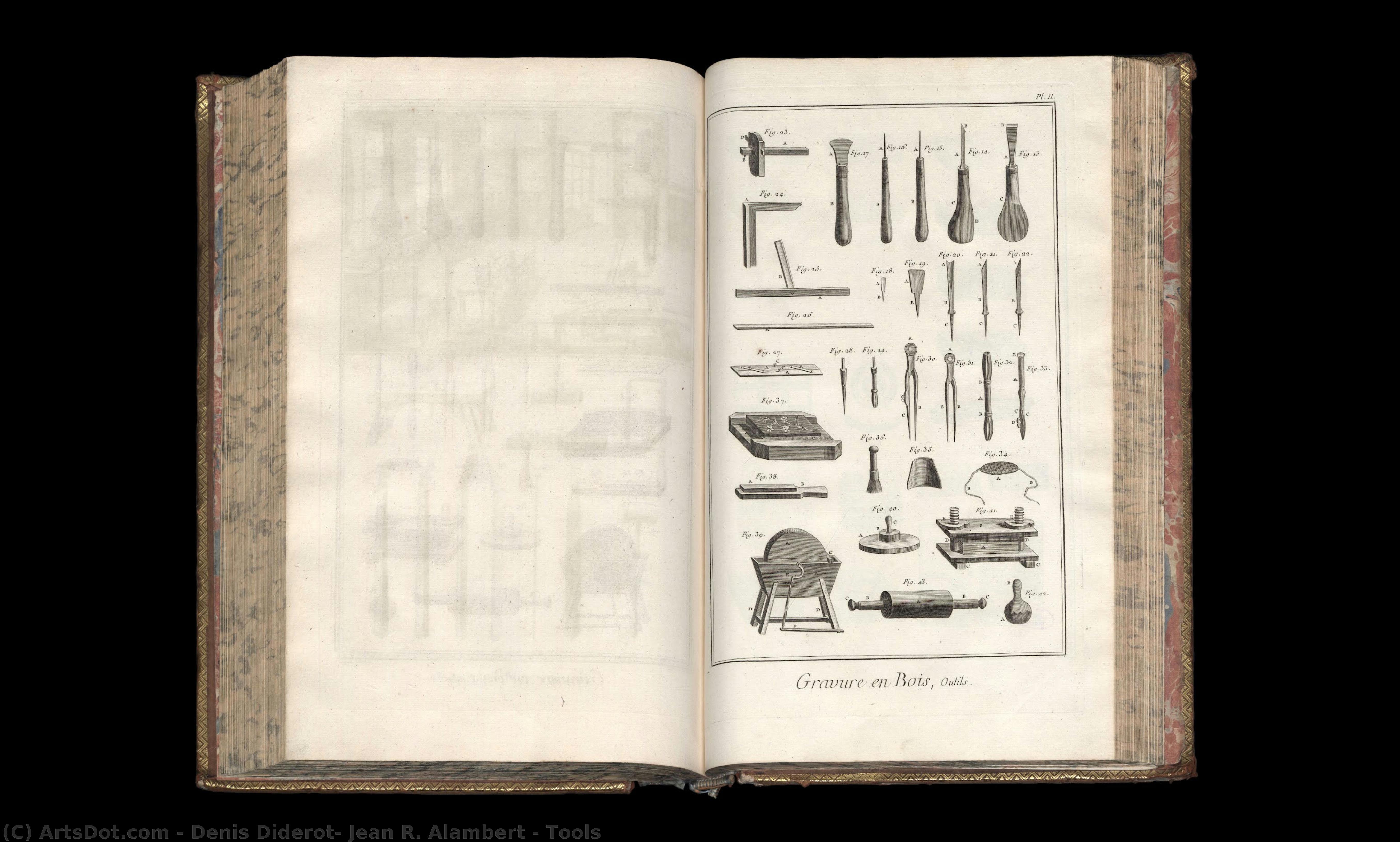
Tools
Dimensões da Reprodução

In the vibrant, turbulent heart of 18th-century France, a unique creative synergy emerged that bridged the gap between rigorous scientific inquiry and the delicate beauty of decorative art. Denis Diderot and Jean R. Alambert were not merely contemporaries; they were architects of an intellectual revolution known as the Enlightenment. While Diderot is immortalized in the annals of history as a formidable philosopher, playwright, and the driving force behind the monumental Encyclopédie, his connection to the artistic mastery of figures like Alambert reveals a deeper, more tactile dimension to his legacy. Their shared era was one where the pursuit of reason sought a physical form, finding it in the meticulous craftsmanship of book arts and the dissemination of human knowledge through visual splendor.
Born in Langres in 1713, Diderot’s early life was shaped by a tension between tradition and rebellion. The son of a cutler, he initially pursued a path toward the clergy, yet his inquisitive spirit eventually led him to embrace a bohemian existence that defied the rigid social structures of his time. This restless intellect found its most profound expression in his collaboration with Jean le Rond d'Alembert. Together, they embarked on the Herculean task of compiling the Encyclopédie, a project intended to catalog the entirety of human understanding. This was not merely an academic endeavor; it was a visual and philosophical crusade. To Diderot, the mechanical arts were as worthy of study as the liberal arts, and this belief necessitated a profound appreciation for the physical beauty of the objects being described—the very tools, techniques, and textures that defined the era.
Beyond the lofty debates of philosophy, the legacy of Diderot and Alambert is etched into the very edges of history through the exquisite medium of book edge marbling. This technique, which transformed the margins of printed volumes into swirling landscapes of color, served as a perfect metaphor for the Enlightenment itself: a controlled dance of organic movement guided by scientific precision. The duo’s influence extended into the realm of the decorative arts, where the application of complex marbling patterns elevated the book from a mere vessel of information to a precious object of aesthetic contemplation.
The mastery involved in these techniques required an intimate understanding of chemistry and fluid dynamics, much like the scientific rigor Diderot championed. The process of creating paper marblers' patterns—achieved by floating pigments on a mucilaginous surface—mirrored the way new ideas were being floated into the public consciousness: disruptive, colorful, and impossible to ignore. Through their work, the boundaries between the intellectual and the ornamental dissolved, proving that the pursuit of truth could be as visually captivating as it was intellectually demanding.
The enduring impact of their contributions can be seen in several key areas:
As the 18th century drew to a close, the radical ideas championed by Diderot and the meticulous artistry associated with the era's craftsmen began to reshape the modern world. Diderot’s writings, though often censored or published posthumously, challenged autocracy and promoted a morality rooted in human experience rather than religious dogma. His ability to find profound meaning in the "mechanical arts" ensured that the physical reality of human progress was never lost in the abstract clouds of theory.
Today, when we look upon a beautifully marbled book edge or study the intricate engravings of the Encyclopédie, we are witnessing the survival of an era that dared to dream of total clarity. The partnership of intellect and artistry embodied by Diderot and his contemporaries remains a powerful reminder that true enlightenment requires both the light of reason to illuminate the mind and the hand of the artist to give that light a form we can touch, hold, and admire.

1713 - 1784 , France


Fique por dentro das últimas notícias de arte, ofertas exclusivas e ideias de decoração.
Conte-nos sobre o seu projeto e os nossos especialistas em arte fornecerão 3 sugestões de arte personalizadas.
Deixe que selecionamos 3 opções especialmente para você – Grátis!


 Visualizar em escala
 Enviar
 Compartilhar
 Ver detalhes

 Baixar
 Semelhantes
 Raio X
 Apresentação de slides
 Ver mais




































 A opção de vidro está disponível apenas para tamanhos inferiores a 110 cm





