x


 Preview
 Comprar impressão Encomendar pintura
 Enviar
 Detalhes da obra
 Adicionar aos favoritos
 Baixar
 Semelhantes
 Raio X
 Slideshow
 Óleo sobre painelEarly Netherlandish painting
 1467Renascimento
 180.0 x 150.0 cm
 Sint-Jacobskerk
Adquira uma imagem digital de alta resolução e aprimorada, muito superior à prévia online.
Cada arquivo é meticulosamente preparado por nossos especialistas internos, utilizando ferramentas avançadas e retoques manuais de alta precisão. Garantimos que cada imagem apresente clareza excepcional, fidelidade de cores e detalhes minuciosos.
O arquivo final é entregue por e-mail em até 72 horas, otimizado para uso imediato em ambientes profissionais, editoriais e de impressão. Esta é a mesma qualidade utilizada por estúdios de design de alto nível, editoras e galerias.
Baixe um arquivo de alta resolução para exibição pessoal, impressão e projetos criativos.
Ao escolher o Most-Famous-Paintings.com, você não está apenas recebendo uma imagem — você está recebendo uma obra de arte digital profissionalmente aprimorada, elaborada com precisão e com garantia de satisfação. Aqui está tudo o que acompanha seu pedido, automaticamente:

O seu arquivo de imagem digital em alta resolução será enviado por e-mail em até 72 horas após o pedido — pronto para uso imediato.

Sua obra de arte é otimizada profissionalmente por meio de ferramentas avançadas de IA e edição manual, garantindo o máximo de detalhes, clareza e precisão de cores.

Apagou ou perdeu o seu ficheiro acidentalmente? Não se preocupe – nós reenviamos para si a qualquer momento, gratuitamente.

Desfrute da sua obra de arte instantaneamente, sem taxas alfandegárias, impostos ou custos de entrega — downloads digitais são sempre isentos de taxas.

Garantimos que sua imagem digital reflita as cores originais com a maior fidelidade possível, utilizando ferramentas profissionais e gerenciamento de cores.

Se você não estiver satisfeito com sua imagem digital, nós a revisaremos ou reembolsaremos 100% dentro de 60 dias — sem perguntas.

Não está satisfeito? Receba o reembolso total em até 60 dias após o recebimento do seu arquivo digital — sem perguntas.

Compre 3 imagens, economize 10% - Compre 5, economize 15% - Compre 10+, economize 20%. Ideal para projetos criativos, galerias e agências.
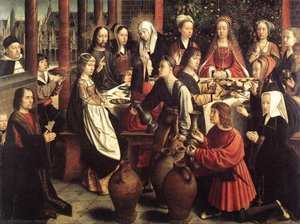
In the quiet, hallowed halls of art history, few images command as much reverence as The Last Supper by the Early Netherlandish master Dieric Bouts. Created around 1467, this profound work serves as a window into a sacred moment, capturing the heavy atmosphere of Christ’s final meal with his apostles. Unlike the dramatic, sweeping gestures found in later Italian Renaissance works, Bouts invites us into a space of subtle solemnity and deep psychological introspection. The scene unfolds within a meticulously rendered dining room, where the weight of impending betrayal hangs invisibly over a table set with delicate bowls, cups, and wine glasses. As we gaze upon the gathered figures, we are not merely observers of a historical event, but witnesses to a profound human drama, where every glance and every stillness speaks of loyalty, fear, and divine purpose.
The artistry of Bouts is defined by his ability to marry meticulous realism with an innovative use of perspective. As a pioneer of the Northern Renaissance, he utilized the burgeoning techniques of oil painting to achieve a level of detail that feels almost tactile. One can almost sense the cool air of the room and the texture of the linens spread across the table. His mastery lies in his restraint; rather than relying on overt emotional outbursts, Bouts uses light and composition to guide the eye through the complex arrangement of the twelve apostles. The way light catches the rim of a glass or illuminates the thoughtful expression on a disciple's face creates a sense of unprecedented realism that draws the viewer into the very heart of the gathering.
Beyond its surface beauty, this masterpiece is a rich tapestry of theological symbolism. As part of the larger Altarpiece of the Holy Sacrament, the painting functions as more than just a depiction of a meal; it is an exploration of the Eucharist and the institution of a sacred covenant. The arrangement of the figures, the placement of the vessels, and the quiet tension between the apostles all serve to reinforce the gravity of the moment. Bouts employs a sophisticated iconographic language that rewards the patient observer, embedding layers of meaning within the mundane objects of the feast. For the collector or the enthusiast, this depth ensures that the painting remains a subject of endless discovery, offering new insights with every viewing.
For those looking to bring a piece of this historical grandeur into a contemporary space, a high-quality reproduction of The Last Supper offers an unparalleled opportunity. Whether placed in a grand library, a sophisticated dining room, or a curated gallery wall, the painting acts as a powerful focal point that commands respect and invites contemplation. Its muted, earthy palette and classical composition harmonize beautifully with both traditional and modern interior designs, providing a sense of timelessness and intellectual depth. To possess such a work is to hold a fragment of the 15th century, a piece of the soul of Flanders, preserved through the enduring legacy of Dieric Bouts.


1410 - 1475


Fique por dentro das últimas notícias de arte, ofertas exclusivas e ideias de decoração.
Conte-nos sobre o seu projeto e os nossos especialistas em arte fornecerão 3 sugestões de arte personalizadas.
Deixe-nos selecionar 3 opções especialmente para você – Grátis!


 Compartilhar

 Ver mais