


x

 Acrylic On CanvasWallArtEarly Renaissance
 1412
1412 168.0 x 173.0 cm
 Basílica de Santa Croce
Adquira uma imagem digital de alta resolução e aprimorada, muito superior à prévia online.
Cada arquivo é meticulosamente preparado por nossos especialistas internos, utilizando ferramentas avançadas e retoques manuais de alta precisão. Garantimos que cada imagem apresente clareza excepcional, fidelidade de cores e detalhes minuciosos.
O arquivo final é entregue por e-mail em até 72 horas, otimizado para uso imediato em ambientes profissionais, editoriais e de impressão. Esta é a mesma qualidade utilizada por estúdios de design de alto nível, editoras e galerias.
Baixe um arquivo de alta resolução para exibição pessoal, impressão e projetos criativos. ( Ir para Impressão Mudar para pintura feita à mão)
Ao escolher o Most-Famous-Paintings.com, você não está apenas recebendo uma imagem — você está recebendo uma obra de arte digital profissionalmente aprimorada, elaborada com precisão e com garantia de satisfação. Aqui está tudo o que acompanha seu pedido, automaticamente:

O seu arquivo de imagem digital em alta resolução será enviado por e-mail em até 72 horas após o pedido — pronto para uso imediato.

Sua obra de arte é otimizada profissionalmente por meio de ferramentas avançadas de IA e edição manual, garantindo o máximo de detalhes, clareza e precisão de cores.

Apagou ou perdeu o seu ficheiro acidentalmente? Não se preocupe – nós reenviamos para si a qualquer momento, gratuitamente.

Desfrute da sua obra de arte instantaneamente, sem taxas alfandegárias, impostos ou custos de entrega — downloads digitais são sempre isentos de taxas.

Garantimos que sua imagem digital reflita as cores originais com a maior fidelidade possível, utilizando ferramentas profissionais e gerenciamento de cores.

Se você não estiver satisfeito com sua imagem digital, nós a revisaremos ou reembolsaremos 100% dentro de 60 dias — sem perguntas.

Não está satisfeito? Receba o reembolso total em até 60 dias após o recebimento do seu arquivo digital — sem perguntas.

Compre 3 imagens, economize 10% - Compre 5, economize 15% - Compre 10+, economize 20%. Ideal para projetos criativos, galerias e agências.
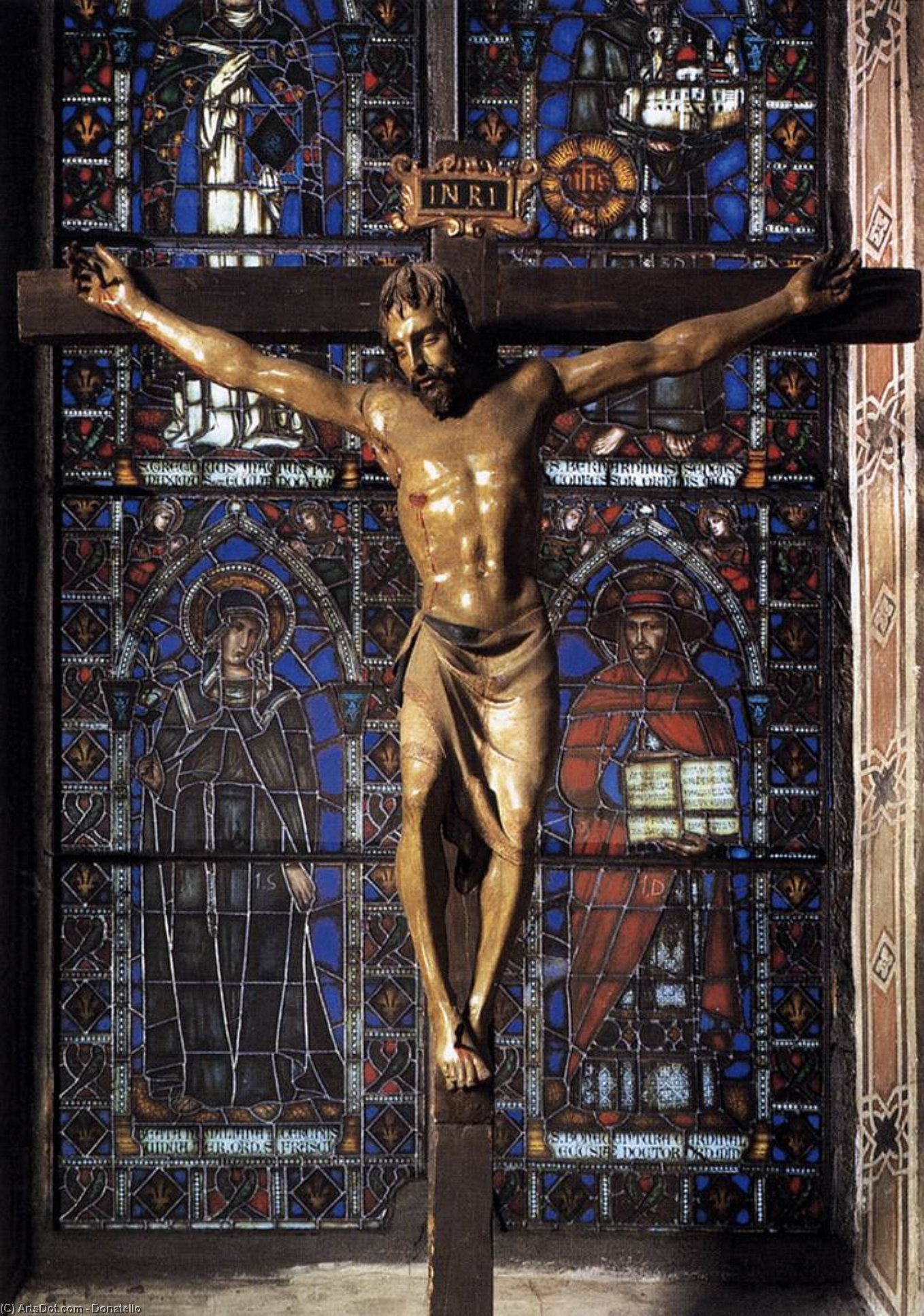
Donatello's 1412 Crucifix, housed within the Basilica of Santa Croce in Florence, isn’t merely a depiction of Christ on the cross; it’s a visceral experience. This early Renaissance masterpiece transcends simple representation, plunging the viewer into the heart of Christian theology and embodying the profound tension between suffering and redemption. Crafted from richly-toned pearwood, the sculpture immediately commands attention with its remarkably realistic portrayal of the human form – a radical departure from the idealized figures prevalent in preceding artistic traditions. Donatello masterfully captures not just the physical agony of Christ’s crucifixion but also an underlying sense of quiet dignity and acceptance, inviting contemplation on themes of sacrifice and faith.
The sculpture's power lies partly in its innovative approach to realism. Vasari famously remarked that Donatello had sculpted a “contadino” – a peasant – rather than a divine figure, highlighting the artist’s deliberate choice to humanize Christ, making his suffering relatable and deeply affecting. The musculature of Christ’s body is rendered with meticulous detail, conveying both the strain of the nails piercing his flesh and the subtle grace of his posture. The loincloth, meticulously carved, adds another layer of realism, anchoring the figure in a tangible, earthly reality. This deliberate focus on human anatomy was revolutionary for its time, setting a new standard for artistic representation and influencing generations of sculptors to come.
Donatello’s mastery is evident not only in the sculpture's realism but also in his skillful manipulation of materials. The pearwood, chosen for its rich color and durability, provides a warm, resonant base for the vibrant polychrome pigments that bring the figure to life. The artist employed a technique known as *polychromy*, applying layers of paint – primarily reds, browns, and golds – to create an illusion of depth and texture. The intricate detailing of the nails driven into Christ’s hands and feet is particularly noteworthy, demonstrating Donatello's precision and control.
Beyond the pigments, the sculpture’s construction itself speaks volumes about Renaissance craftsmanship. The wood was carved with painstaking care, utilizing a subtractive method – removing material to reveal the desired form. The lead lines forming the cross are expertly executed, creating a strong structural framework while simultaneously contributing to the overall aesthetic impact. This combination of sculptural skill and meticulous attention to detail exemplifies the artistic standards of the early Renaissance period.
The Crucifix is laden with symbolic meaning, reflecting core tenets of Christian belief. The cross itself represents sacrifice, atonement for humanity’s sins, and the path to salvation. Christ's suffering embodies humility, obedience, and love – qualities deeply valued within the Christian tradition. The figure’s serene expression, despite his evident pain, suggests a profound acceptance of God’s will and an unwavering faith in the promise of resurrection.
Furthermore, Donatello’s depiction subtly shifts from the traditional Byzantine emphasis on Christ as a glorious, divine being to a more humanistic portrayal – a hallmark of the Renaissance. This shift reflects a growing interest in earthly experience and the potential for humanity to connect with the divine through empathy and understanding. The sculpture invites viewers not just to witness Christ's suffering but also to contemplate their own capacity for compassion and faith.
Donatello’s Crucifix stands as a pivotal work in the transition from medieval to Renaissance art, demonstrating a remarkable fusion of classical influences with Christian iconography. It represents a significant departure from earlier depictions of Christ on the cross, characterized by stylized forms and symbolic gestures. The sculpture's realism, emotional depth, and technical virtuosity established new standards for artistic representation and profoundly influenced subsequent generations of artists. Today, it remains a powerful testament to the enduring legacy of Donatello and his contribution to the development of Western art.


1386 - 1466 , Itália


Fique por dentro das últimas notícias de arte, ofertas exclusivas e ideias de decoração.
Conte-nos sobre o seu projeto e os nossos especialistas em arte fornecerão 3 sugestões de arte personalizadas.
Deixe-nos selecionar 3 opções especialmente para você – Grátis!


 Visualizar em escala
 Enviar
 Compartilhar
 Detalhes da obra

 Baixar
 Semelhantes
 Raio X
 Slideshow
 Ver mais


