x

 WatercolorWallArtContemporary Realism
 1924Modern
 34.0 x 49.0 cm
Óleo sobre tela pintado à mão no seu tamanho e moldura, feito sob encomenda pelos nossos artistas. ( Encomendar impressão Comprar imagem em alta resolução)





























Escolha entre os nossos tamanhos pré-definidos que respeitam as proporções originais da obra de arte.

Pode inserir as suas próprias dimensões para se adequar a uma moldura ou espaço específico. Se o tamanho selecionado não corresponder às proporções da imagem original, iremos cortar a obra de arte ou estender a pintura com elementos adicionais pintados à mão. Um esboço digital será enviado para sua aprovação antes do início da produção.
Tenha em atenção que a pré-visualização no ecrã não reflete o corte ou extensão real. Apenas o esboço mostrará com precisão a composição final.
Embora tamanhos personalizados estejam disponíveis, recomendamos selecionar uma dimensão da lista predefinida para preservar as proporções originais.
Entrega mundial () em 3 a 4 semanas, em vez das 5 semanas padrão. (20 Agosto). Sem comprometer a qualidade.


Haskell
Dimensões da Reprodução
In the vast tapestry of American modernism, few works capture the delicate tension between presence and absence as effectively as Edward Hopper’s 1924 watercolor, Haskell. This evocative piece transcends a mere architectural study, offering instead a profound meditation on solitude and the quiet observation of the landscape. At first glance, the viewer is presented with a deceptively simple scene: a modest white house perched gracefully atop a gentle hillside, bathed in the soft, diffused light of a clear day. Yet, beneath this tranquil surface lies a palpable sense of introspection. Hopper utilizes the watercolor medium to masterfully manipulate tonal variations, allowing the creamy whites of the house's siding to contrast with the muted, earthy greens of the surrounding foliage. The composition is anchored by strong horizontal lines that mirror the expansive vista, creating a feeling of openness that paradoxically emphasizes the isolation of the dwelling.
The technical brilliance of Haskell lies in Hopper’s ability to use light as a narrative force. Through careful brushstrokes and precise geometric delineations, he imbue the architecture with a textural richness that feels both grounded and ethereal. The way shadows stretch across the expansive windows suggests a passing of time, inviting the viewer to linger within the stillness. This mastery of light and shadow is a hallmark of Hopper’s style, a technique that would later define his most iconic oil paintings. By integrating subtle architectural details with the organic flow of the landscape, he creates a visual equilibrium that is both unsettling and deeply captivating, prompting a contemplation of what lies hidden behind those silent windows.
To understand Haskell, one must look toward the cultural landscape of post-World War I America. Painted during an era of rapid industrialization and burgeoning urbanization, the work aligns with the spirit of American Regionalism—a movement dedicated to portraying the authentic, unvarnished essence of everyday life. As cities grew more crowded and complex, a new sense of alienation began to permeate the collective psyche. Hopper captures this burgeoning modern loneliness not through grand tragedy, but through the quietude of a single hilltop home. The inclusion of two small figures near the base of the composition serves as a vital human element; they are observers within the frame, much like the viewer, yet their presence subtly disrupts the stillness, reminding us of the human connection to the vast, often indifferent, landscape.
For the discerning collector or interior designer, Haskell offers more than just aesthetic beauty; it provides a window into a pivotal moment in art history. The painting’s ability to evoke both peace and a subtle, underlying anxiety makes it a versatile masterpiece for modern spaces. It possesses a timeless quality that complements sophisticated, minimalist interiors, where its soft palette and structural clarity can serve as a focal point of contemplation. Whether viewed as a relic of early 20th-century realism or as a contemporary symbol of mindfulness and retreat, this watercolor remains an enduring testament to Hopper’s ability to find the extraordinary within the ordinary.


1931 - 1967 , Estados Unidos da América
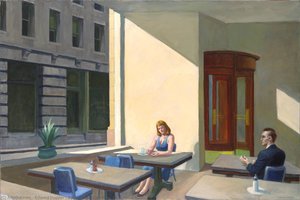
Descubra as 25 obras-primas de Edward Hopper, o mestre do realismo americano. Explore a atmosfera melancólica, luz e sombra em quadros icônicos como 'Nighthawks'. Encontre reproduções de arte exclusivas para decorar sua casa com Most-Famous-Paintings.com.

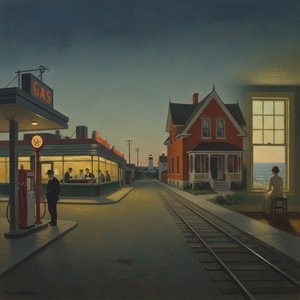
Descubra as 10 obras-primas em aquarela que revolucionaram a arte! Explore a história de Turner, Cézanne e outros mestres. Encontre reproduções de alta qualidade para decorar sua casa com elegância. Most-Famous-Paintings: arte atemporal ao seu alcance.

Explore the captivating world of watercolor painting! Discover its rich history, essential techniques, influential artists & collecting tips. A comprehensive guide for art enthusiasts from Most-Famous-Paintings.

Explore the captivating world of watercolor painting! Discover its rich history, essential techniques, influential artists & collecting tips from art experts. A comprehensive guide for enthusiasts.
Descubra as 10 obras-primas do Realismo Americano! Explore a história de Hopper, Homer e Cassatt. Encontre reproduções de arte com qualidade museológica para decorar sua casa. Inspire-se em cores vibrantes e atmosferas únicas. Explore a coleção completa na Most-Famous-Paintings.com.


Fique por dentro das últimas notícias de arte, ofertas exclusivas e ideias de decoração.
Conte-nos sobre o seu projeto e os nossos especialistas em arte fornecerão 3 sugestões de arte personalizadas.
Deixe que selecionamos 3 opções especialmente para você – Grátis!


 Visualizar em escala
 Enviar
 Compartilhar
 Ver detalhes

 Baixar
 Semelhantes
 Raio X
 Apresentação de slides
 Ver mais







 A opção de vidro está disponível apenas para tamanhos inferiores a 110 cm