x


 Encomendar pintura Comprar imagem em alta resolução
 Enviar
 Detalhes da obra
 Adicionar aos favoritos
 Baixar
 Semelhantes
 Raio X
 Slideshow
 Oil On CanvasWallArtExpressionist Painting
 1911Modern
 100.0 x 100.0 cm
Impressão giclée ou em tela de qualidade de museu, com produção rápida e opções flexíveis de acabamento.





























Escolha entre os nossos tamanhos pré-definidos que respeitam as proporções originais da obra de arte.

Você pode inserir suas próprias dimensões para se ajustar a uma moldura ou espaço específico. Se o tamanho selecionado não corresponder às proporções da imagem original, iremos recortar a obra de arte ou estender a imagem com uma borda espelhada ou preenchimento sólido. Um mockup digital será enviado para sua aprovação antes do início da produção.
Por favor, observe que a visualização na tela não reflete o recorte ou a extensão real. Apenas o mockup mostrará com precisão a composição final.
Embora tamanhos personalizados estejam disponíveis, recomendamos selecionar uma dimensão da lista predefinida para preservar as proporções originais.
Entrega mundial () em 2 semanas, em vez das 4/5 semanas padrão. (20 Julho)


Procession
Dimensões da Reprodução
Egon Schiele’s “Procession,” completed in 1911, stands as a cornerstone of Expressionist art—a movement that prioritized raw emotion and psychological insight over meticulous realism. Measuring 100 x 100 cm and executed in oil on canvas, this painting transcends mere visual representation; it's an immersive experience into the artist’s inner world and the anxieties of his time.
The artwork’s composition immediately draws the viewer’s eye to two women positioned prominently in the foreground. One woman cradles a baby, embodying maternal tenderness amidst an unsettling backdrop populated by several figures engaged in varied activities. Schiele meticulously captures details—clothing textures, facial expressions—to amplify the emotional resonance of the scene. The juxtaposition of faces – one gazing downwards with sorrowful resignation, the other upward with hopeful anticipation – speaks volumes about human experience and underscores the painting’s thematic core.
Schiele's distinctive style is undeniably Expressionist. He employs bold, angular lines that convey tension and unease, rejecting traditional artistic conventions in favor of conveying inner turmoil. Vibrant colors are strategically deployed—primarily muted browns and ochres—to create a somber atmosphere that mirrors the psychological depth of the subject matter. Furthermore, Schiele utilizes distorted forms – elongated figures, fragmented planes – to disrupt visual harmony and heighten emotional impact. These stylistic choices serve not merely as aesthetic flourishes but as deliberate tools for communicating profound feelings.
"Procession" emerged during a period of artistic ferment—the Expressionist movement wrestled with the traumas of World War I and explored themes of mortality, anxiety, and disillusionment. Schiele’s work absorbed influences from Fauvism and other avant-garde currents, forging a singular voice within early 20th-century art. Its enduring relevance lies in its ability to tap into universal human emotions—fear, compassion, longing—and to provoke contemplation on the complexities of existence.
“Procession” continues to resonate with audiences today because it embodies the core principles of Expressionist art: an uncompromising commitment to emotional honesty and a rejection of superficial beauty. Reproductions from Most-Famous-Paintings.com allow collectors and interior designers alike to appreciate Schiele’s masterful technique and profound artistic vision. Consider commissioning a high-quality print or canvas reproduction to infuse your space with the evocative spirit of this iconic artwork.

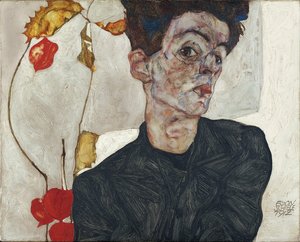
1890 - 1918 , Áustria
Descubra as 25 obras-primas de Egon Schiele, o mestre expressionista austríaco. Explore a vida, técnica e simbolismo por trás de seus retratos icônicos e nus impactantes. Encontre reproduções de arte exclusivas para decorar sua casa com emoção e estilo em Most-Famous-Paintings.com

Descubra as 25 obras-primas do Metropolitan Museum of Art em Nova York! Explore a história de Van Gogh, Monet e outros artistas renomados. Encontre reproduções de arte exclusivas para decorar sua casa com elegância. Most-Famous-Paintings.com – Sua fonte de inspiração artística.
Descubra as 25 obras-primas de Gustav Klimt, ícone da Secession Vienense e do Art Nouveau. Explore a beleza dourada, o simbolismo e a paixão em cada pintura. Encontre reproduções de arte exclusivas para decorar sua casa com elegância na Most-Famous-Paintings.com!

Descubra as 25 obras-primas de Dante Gabriel Rossetti, o mestre pré-rafaelita! Explore a beleza, simbolismo e paixão em pinturas icônicas como 'Proserpina' e 'Beata Beatrix'. Encontre reproduções de arte exclusivas para transformar sua casa com Most-Famous-Paintings.com.
Descubra as 25 obras-primas de James Abbott McNeill Whistler, o mestre do Impressionismo e dos 'Nocturnes'. Explore a história por trás de cada pintura, cores e técnicas. Encontre reproduções de arte exclusivas para decorar sua casa com elegância em Most-Famous-Paintings.com!


Fique por dentro das últimas notícias de arte, ofertas exclusivas e ideias de decoração.
Conte-nos sobre o seu projeto e os nossos especialistas em arte fornecerão 3 sugestões de arte personalizadas.
Deixe-nos selecionar 3 opções especialmente para você – Grátis!


 Compartilhar

 Ver mais







 A opção de vidro está disponível apenas para tamanhos inferiores a 110 cm