x

 Oil On CanvasWallArtArt Nouveau
 1913
1913 80.0 x 89.0 cm
Óleo sobre tela pintado à mão no seu tamanho e moldura, feito sob encomenda pelos nossos artistas. ( Encomendar impressão Comprar imagem em alta resolução)





























Escolha entre os nossos tamanhos pré-definidos que respeitam as proporções originais da obra de arte.

Pode inserir as suas próprias dimensões para se adequar a uma moldura ou espaço específico. Se o tamanho selecionado não corresponder às proporções da imagem original, iremos cortar a obra de arte ou estender a pintura com elementos adicionais pintados à mão. Um esboço digital será enviado para sua aprovação antes do início da produção.
Tenha em atenção que a pré-visualização no ecrã não reflete o corte ou extensão real. Apenas o esboço mostrará com precisão a composição final.
Embora tamanhos personalizados estejam disponíveis, recomendamos selecionar uma dimensão da lista predefinida para preservar as proporções originais.
Entrega mundial () em 3 a 4 semanas, em vez das 5 semanas padrão. (14 Agosto). Sem comprometer a qualidade.


Sawmill
Dimensões da Reprodução
Egon Schiele's "Sawmill," painted in 1913, isn’t merely a depiction of a rustic building; it’s a raw, intensely personal glimpse into the anxieties and beauty of early 20th-century Austria. Created during a period of profound upheaval – both personally for Schiele and politically across Europe – the painting vibrates with an unsettling energy that belies its seemingly simple subject matter. The scene unfolds within a landscape dominated by muted browns and greens, punctuated by the stark geometry of the sawmill itself. This structure, rendered in warm, earthy tones, becomes a focal point, simultaneously representing industry and a brutal confrontation with mortality. Schiele’s masterful use of texture, achieved through thick, impasto brushstrokes, imbues the canvas with a palpable sense of movement – you can almost hear the rhythmic groan of the machinery and feel the dampness of the surrounding hillside.
“Sawmill” firmly resides within the realm of Art Nouveau, though it transcends mere stylistic adherence. While embracing the movement’s emphasis on sinuous lines and organic forms – evident in the undulating curves of the hillside and the suggestion of human figures within the building – Schiele injects a distinctly unsettling quality. Unlike the often-idealized representations of nature found in some Art Nouveau works, Schiele's landscape is imbued with a sense of vulnerability and decay. The muted palette and the stark contrast between light and shadow contribute to this feeling, hinting at an underlying melancholy. The painting’s composition feels deliberately unbalanced, mirroring perhaps the artist’s own internal struggles.
Beyond its formal elements, “Sawmill” is rich with symbolic weight. The sawmill itself has become a potent symbol of labor, industry, and ultimately, mortality. It represents the relentless cycle of production and destruction, mirroring Schiele’s preoccupation with death – a theme that permeated much of his oeuvre following the loss of his father. The small building adjacent to the main structure could be interpreted as a refuge, a place of rest or perhaps even a tomb, further reinforcing the painting's somber mood. The placement of these structures within the vast landscape emphasizes humanity’s smallness and vulnerability in the face of nature’s power.
Understanding Egon Schiele requires acknowledging the profound impact of his personal life. Born in Vienna in 1890, Schiele's early years were marked by illness and loss – a tragedy that profoundly shaped his artistic vision. His father’s death from syphilis at the age of fourteen cast a long shadow over his psyche, fueling an obsession with themes of mortality, fragility, and the human condition. This emotional intensity is powerfully conveyed in “Sawmill,” where every brushstroke seems to carry the weight of unspoken grief. His unique style, characterized by elongated figures, distorted perspectives, and a raw, expressive quality, continues to captivate viewers today. The painting stands as a testament to his ability to transform personal pain into enduring artistic expression.
For those seeking to experience the power of Schiele’s vision firsthand, Most-Famous-Paintings.com offers meticulously crafted oil painting reproductions of “Sawmill.” These handmade reproductions capture not only the visual details but also the emotional depth and textural richness of the original, allowing you to bring this poignant work into your own space.

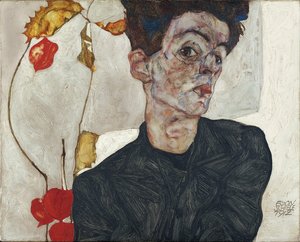
1890 - 1918 , Áustria

Explore the profound history and technical brilliance of oil on panel painting. From Renaissance masters to modern techniques, discover why this rigid support offers unparalleled precision and permanence for fine art lovers and collectors.

Explore the profound emotional depth of Expressionist portraiture. From Edvard Munch to Francis Bacon, discover how masters used distortion and color to reveal inner truths. Learn about this pivotal movement and find museum-quality oil reproductions for your collection.


Fique por dentro das últimas notícias de arte, ofertas exclusivas e ideias de decoração.
Conte-nos sobre o seu projeto e os nossos especialistas em arte fornecerão 3 sugestões de arte personalizadas.
Deixe que selecionamos 3 opções especialmente para você – Grátis!


 Visualizar em escala
 Enviar
 Compartilhar
 Ver detalhes

 Baixar
 Semelhantes
 Raio X
 Apresentação de slides
 Ver mais







 A opção de vidro está disponível apenas para tamanhos inferiores a 110 cm