


x

Impressão giclée ou em tela de qualidade de museu, com produção rápida e opções flexíveis de acabamento. ( Comprar pintura feita à mão Comprar imagem)





























Escolha entre os nossos tamanhos pré-definidos que respeitam as proporções originais da obra de arte.

Você pode inserir suas próprias dimensões para se ajustar a uma moldura ou espaço específico. Se o tamanho selecionado não corresponder às proporções da imagem original, iremos recortar a obra de arte ou estender a imagem com uma borda espelhada ou preenchimento sólido. Um mockup digital será enviado para sua aprovação antes do início da produção.
Por favor, observe que a visualização na tela não reflete o recorte ou a extensão real. Apenas o mockup mostrará com precisão a composição final.
Embora tamanhos personalizados estejam disponíveis, recomendamos selecionar uma dimensão da lista predefinida para preservar as proporções originais.
Entrega mundial () em 2 semanas, em vez das 4/5 semanas padrão. (23 Agosto)


Sunflower
Tamanho da Reprodução
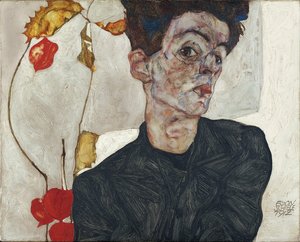
In the vast landscape of early 20th-century art, few images possess the quiet, unsettling magnetism of Egon Schiele’s Sunflower. Created in 1909, this work transcends the traditional boundaries of botanical illustration to offer a profound psychological portrait. While many are familiar with the vibrant, sun-drenched ecstasy of Van Gogh’s sunflowers, Schiele presents us with something entirely different: a specimen that feels as much like a living soul as it does a flower. The painting captures a sense of fragile existence, where the sunflower stands not in triumph, but in a state of delicate, melancholic transition. It is a piece that invites the viewer into a world of introspection, making it an extraordinary choice for those who appreciate art that speaks to the deeper, more complex layers of the human condition.
The composition is defined by its striking, elongated format, which creates a sense of vertical tension and isolation. Schiele utilizes a stark, minimalist background that strips away all environmental context, forcing our gaze to confront the subject in its rawest form. The sunflower itself is depicted with an angularity and a certain skeletal grace characteristic of the Expressionist movement. We see a heavy, dark center—a void-like heart that seems to pull at the viewer’s attention—surrounded by petals that appear to be fading or perhaps even decaying. This deliberate focus on the ephemeral nature of life serves as a poignant metaphor for Schiele's own preoccupations with mortality and the fleeting beauty found within vulnerability.
Executed in oil on canvas, the technical mastery of this piece lies in its ability to balance intricate detail with raw, emotive energy. Schiele’s brushwork is deliberate and textured, creating a surface that feels palpable and alive. There is a rhythmic quality to the way he applies paint, using layered strokes to build a sense of weight in the flower's head while maintaining a delicate lightness in the surrounding smaller blooms. The color palette is a sophisticated study in contrasts; rich, vibrant yellows are tempered by earthy, autumnal tones and deep, shadowy hues. This interplay of light and dark does more than just create depth—it establishes a mood of "silent darkness," as if the flower is emerging from, or perhaps receding into, an internal psychological landscape.
For the discerning collector or interior designer, this painting offers a unique opportunity to introduce a focal point that is both intellectually stimulating and aesthetically profound. The way the light catches the textured oil pigments makes the piece dynamic, changing character depending on the lighting of the room. It possesses a timeless quality that complements both modern minimalist spaces and more traditional, classical settings. To possess a high-quality reproduction of this work is to bring a piece of art history into one's home—a piece that does not merely decorate a wall but serves as a window into the turbulent, beautiful spirit of the Austrian Expressionist era.
Ultimately, Schiele’s Sunflower is an invitation to contemplate the beauty found in imperfection and the strength found in fragility. It is a masterpiece of emotional resonance, capturing that precise moment where life meets its inevitable decline, yet doing so with such exquisite artistry that the viewer cannot help but be moved. Whether viewed as a study in color, a triumph of technique, or a profound philosophical statement, it remains an enduring icon of modern art.
1890 - 1918 , Áustria
Descubra as 25 obras-primas de Egon Schiele, o mestre expressionista austríaco. Explore a vida, técnica e simbolismo por trás de seus retratos icônicos e nus impactantes. Encontre reproduções de arte exclusivas para decorar sua casa com emoção e estilo em Most-Famous-Paintings.com
Descubra as 10 obras-primas do Expressionismo! Explore a emoção e intensidade de Munch, Kirchner, Kandinsky e outros artistas icônicos. Reproduções de arte exclusivas para decorar sua casa com paixão e história em Most-Famous-Paintings.com.
Descubra as 10 obras-primas do Expressionismo que revolucionaram a arte moderna! Explore a emoção, cores vibrantes e histórias de Munch, Kirchner, Kandinsky e outros artistas icônicos. Encontre reproduções de alta qualidade em Most-Famous-Paintings.com.
Descubra os 25 tesouros do Kunsthistorisches Museum em Viena! Explore a história de Raphael, Rembrandt, Vermeer e outras obras-primas. Encontre reproduções de arte exclusivas para decorar sua casa com elegância. Explore a coleção completa na Most-Famous-Paintings.com.

Descubra os 10 quadros mais famosos em tons de taupe! Explore a história, artistas e técnicas por trás dessas obras-primas do Impressionismo ao Realismo. Encontre reproduções de arte exclusivas para decorar sua casa com elegância em Most-Famous-Paintings.com.


Fique por dentro das últimas notícias de arte, ofertas exclusivas e ideias de decoração.
Conte-nos sobre o seu projeto e os nossos especialistas em arte fornecerão 3 sugestões de arte personalizadas.
Deixe que selecionamos 3 opções especialmente para você – Grátis!


 Visualizar na parede
 Compartilhar
 Compartilhar
 Detalhes

 Baixar imagem
 Semelhantes
 Raio X
 Slideshow


 Ler mais







 A opção de vidro está disponível apenas para tamanhos inferiores a 110 cm


