


x


 Preview
 Comprar impressão Encomendar pintura
 Enviar
 Detalhes da obra
 Adicionar aos favoritos
 Baixar
 Semelhantes
 Raio X
 Slideshow
Adquira uma imagem digital de alta resolução e aprimorada, muito superior à prévia online.
Cada arquivo é meticulosamente preparado por nossos especialistas internos, utilizando ferramentas avançadas e retoques manuais de alta precisão. Garantimos que cada imagem apresente clareza excepcional, fidelidade de cores e detalhes minuciosos.
O arquivo final é entregue por e-mail em até 72 horas, otimizado para uso imediato em ambientes profissionais, editoriais e de impressão. Esta é a mesma qualidade utilizada por estúdios de design de alto nível, editoras e galerias.
Baixe um arquivo de alta resolução para exibição pessoal, impressão e projetos criativos.
Ao escolher o Most-Famous-Paintings.com, você não está apenas recebendo uma imagem — você está recebendo uma obra de arte digital profissionalmente aprimorada, elaborada com precisão e com garantia de satisfação. Aqui está tudo o que acompanha seu pedido, automaticamente:

O seu arquivo de imagem digital em alta resolução será enviado por e-mail em até 72 horas após o pedido — pronto para uso imediato.

Sua obra de arte é otimizada profissionalmente por meio de ferramentas avançadas de IA e edição manual, garantindo o máximo de detalhes, clareza e precisão de cores.

Apagou ou perdeu o seu ficheiro acidentalmente? Não se preocupe – nós reenviamos para si a qualquer momento, gratuitamente.

Desfrute da sua obra de arte instantaneamente, sem taxas alfandegárias, impostos ou custos de entrega — downloads digitais são sempre isentos de taxas.

Garantimos que sua imagem digital reflita as cores originais com a maior fidelidade possível, utilizando ferramentas profissionais e gerenciamento de cores.

Se você não estiver satisfeito com sua imagem digital, nós a revisaremos ou reembolsaremos 100% dentro de 60 dias — sem perguntas.

Não está satisfeito? Receba o reembolso total em até 60 dias após o recebimento do seu arquivo digital — sem perguntas.

Compre 3 imagens, economize 10% - Compre 5, economize 15% - Compre 10+, economize 20%. Ideal para projetos criativos, galerias e agências.
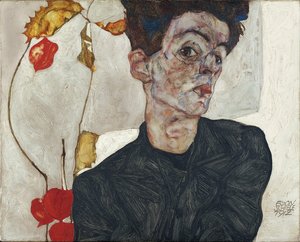
Egon Schiele's “The Dancer Moa,” painted in 1911, is not merely a depiction of a woman in motion; it’s a raw, intensely personal exploration of the human condition – a dance with mortality and the unsettling beauty of vulnerability. This watercolor, rendered in bold, almost frantic strokes, immediately draws the viewer into a world saturated with color and brimming with an unspoken tension. The subject, a young woman enveloped in a vibrant red dress and a flowing blue scarf, appears caught in a moment of both grace and profound unease. Her arms are outstretched, suggesting movement and perhaps even a desperate reach, while her gaze is averted, hinting at a hidden story or a private sorrow.
Schiele’s work during this period represents a significant departure from the decorative elegance of Gustav Klimt, his mentor. While Klimt employed shimmering gold and intricate patterns to create opulent surfaces, Schiele favored a more direct and emotionally charged approach. He rejected the polished surface in favor of visible brushstrokes—a deliberate act that emphasizes the physicality of painting itself. The loose application of watercolor, combined with the dark outlines defining the figure, creates an immediate sense of urgency and instability. This technique reflects Schiele’s fascination with the body's vulnerability and its capacity for both exquisite beauty and profound suffering – themes that would dominate much of his oeuvre.
The rich textiles surrounding the dancer are crucial to understanding the painting’s layered meaning. The vibrant red dress, a color often associated with passion and danger, contrasts sharply with the cool blue scarf, suggesting a conflict between desire and restraint. These fabrics aren't simply decorative; they act as vessels for emotion, enveloping the figure in a cocoon of sensation. Schiele was deeply interested in the textures and patterns of clothing – he frequently incorporated them into his work to heighten the visual impact and imbue objects with symbolic weight. The swirling forms within the textiles seem to mirror the dancer’s own internal turmoil, suggesting that her movements are not just physical but also emotional.
Painted in a period marked by personal tragedy – his sister Elvira died young and his father succumbed to illness – “The Dancer Moa” is often interpreted as a reflection of Schiele’s own anxieties about life, death, and the fragility of existence. The dancer's averted gaze and the overall sense of unease suggest a profound awareness of mortality. Schiele’s self-portraits, particularly those from this period, are frequently characterized by similar themes of introspection and psychological intensity. “The Dancer Moa” stands as a testament to his ability to translate deeply personal emotions into powerful visual forms. It's a hauntingly beautiful work that invites viewers to contemplate the complexities of human experience – a dance between joy and sorrow, strength and vulnerability, life and death.
Most-Famous-Paintings offers meticulously crafted hand-painted reproductions of Egon Schiele’s “The Dancer Moa,” allowing you to bring this evocative masterpiece into your home or office. Each reproduction is created by skilled artists using traditional techniques, ensuring the highest level of detail and authenticity. Explore our collection today and experience the raw emotion and artistic brilliance of one of Expressionism's most compelling figures.

1890 - 1918 , Áustria


Fique por dentro das últimas notícias de arte, ofertas exclusivas e ideias de decoração.
Conte-nos sobre o seu projeto e os nossos especialistas em arte fornecerão 3 sugestões de arte personalizadas.
Deixe-nos selecionar 3 opções especialmente para você – Grátis!


 Compartilhar


 Ver mais


