x
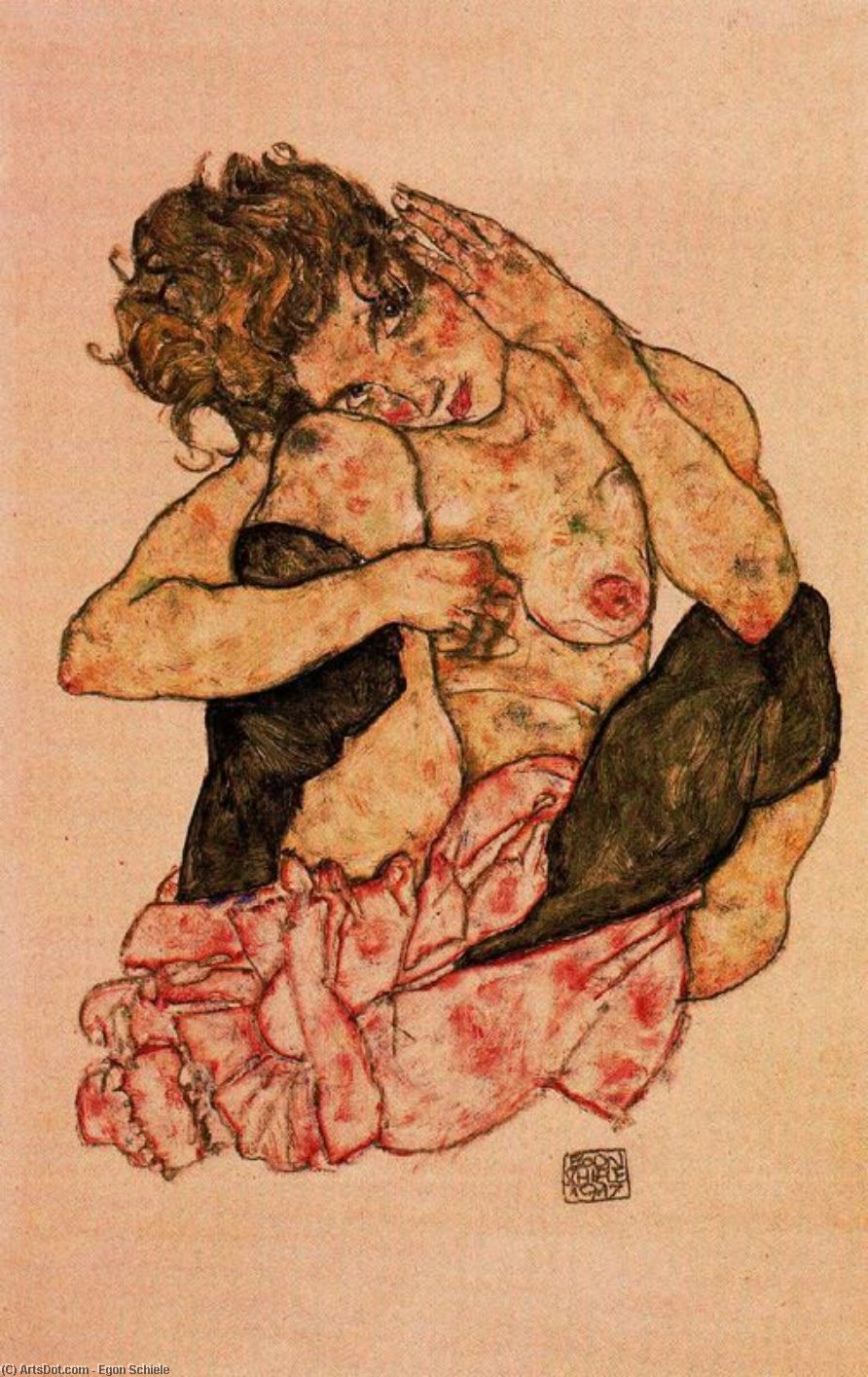
Óleo sobre tela pintado à mão no seu tamanho e moldura, feito sob encomenda pelos nossos artistas. ( Encomendar impressão Comprar imagem em alta resolução)





























Escolha entre os nossos tamanhos pré-definidos que respeitam as proporções originais da obra de arte.

Pode inserir as suas próprias dimensões para se adequar a uma moldura ou espaço específico. Se o tamanho selecionado não corresponder às proporções da imagem original, iremos cortar a obra de arte ou estender a pintura com elementos adicionais pintados à mão. Um esboço digital será enviado para sua aprovação antes do início da produção.
Tenha em atenção que a pré-visualização no ecrã não reflete o corte ou extensão real. Apenas o esboço mostrará com precisão a composição final.
Embora tamanhos personalizados estejam disponíveis, recomendamos selecionar uma dimensão da lista predefinida para preservar as proporções originais.
Entrega mundial () em 3 a 4 semanas, em vez das 5 semanas padrão. (20 Agosto). Sem comprometer a qualidade.


untitled (2635)
Dimensões da Reprodução
Egon Schiele's *Untitled (2635)*, a hauntingly intimate depiction of two figures intertwined on a bed, is more than just a portrait; it’s a visceral exploration of human connection, mortality, and the unsettling beauty of vulnerability. Painted in 1917, during a period of intense personal turmoil for Schiele – marked by illness, loss, and a burgeoning awareness of his own mortality – this work embodies the artist's signature style: bold lines, distorted forms, and an unflinching gaze into the depths of human emotion. The painting’s power lies not in idealized romance but in its raw honesty, capturing a moment suspended between pleasure and pain, life and death.
The scene unfolds with remarkable immediacy. A woman, her body partially nude, is enveloped by the man's arms, their bodies pressed together in a passionate embrace. The composition isn’t formally balanced; instead, it feels deliberately off-kilter, mirroring the emotional instability that characterized Schiele’s life and art. Notice the deliberate lack of detail – the bedclothes are simplified, the faces are obscured, and the background is almost entirely absent. This reduction focuses our attention solely on the figures themselves, intensifying their interaction and amplifying its psychological weight. The man's posture suggests a protective embrace, while the woman’s expression remains ambiguous, hinting at both surrender and resistance.
Understanding Schiele requires acknowledging the profound impact of his personal life on his art. Born in 1890 in Tulln an der Donau, Austria, he experienced early tragedy with the death of his father from syphilis at just fourteen years old – a trauma that would repeatedly surface throughout his oeuvre. This event, coupled with the loss of his sister Elvira and the subsequent instability of his upbringing under the control of his uncle, instilled in him a deep preoccupation with illness, decay, and the fragility of existence. His uncle’s guardianship, marked by stifling control and a suppression of Schiele's artistic inclinations, further fueled his rebellious spirit and contributed to his sense of isolation.
The painting itself was created during a period when Schiele was struggling financially and emotionally. He had recently separated from his first wife, Edith Harms, and the shadow of World War I loomed large. This context is crucial for interpreting *Untitled (2635)*; it’s not simply a depiction of love but a reflection of an artist grappling with loss, loneliness, and the anxieties of his time. The painting's intensity mirrors Schiele’s own inner turmoil – a desperate attempt to capture and hold onto fleeting moments of connection in the face of inevitable decay.
Schiele’s distinctive style is immediately recognizable through his use of line. He employed thick, gestural lines that seem to vibrate with energy, conveying a sense of urgency and raw emotion. These lines aren't used to create realistic forms; instead, they are employed to express the artist’s subjective experience – capturing not just what he saw but how he *felt*. The distortion of the figures’ bodies is deliberate, emphasizing their vulnerability and suggesting a state of heightened emotional intensity. Notice, too, the use of color—muted tones dominate, creating a somber atmosphere that underscores the painting's melancholic mood.
The presence of secondary figures in the background – one at the top left and another at the bottom right – adds to the painting’s enigmatic quality. These figures could represent observers or perhaps even echoes of past experiences, further contributing to the sense of unease and psychological complexity. The small figure in the center, closer to the heart of the scene, is particularly intriguing; its obscured features invite speculation about its role within this intimate tableau.
*Untitled (2635)* stands as a powerful testament to Egon Schiele’s artistic vision and his unflinching exploration of the human condition. It's a work that demands attention, inviting viewers to confront uncomfortable truths about love, loss, and mortality. Reproductions of this iconic painting offer a remarkable opportunity to bring this intensely emotional artwork into your home or studio, allowing you to experience firsthand the raw beauty and unsettling power of Schiele’s genius. Most-Famous-Paintings offers meticulously crafted hand-painted reproductions that faithfully capture the nuances of this masterpiece, ensuring its enduring legacy for generations to come.

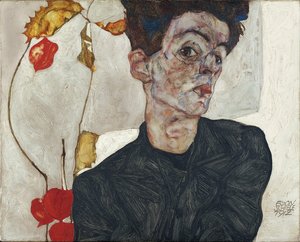
1890 - 1918 , Áustria

Explore the profound history of Surrealist Expressionism. Discover how artists blended dream logic with raw emotion to navigate post-war trauma through masterful, evocative imagery and psychological depth.

Explore the profound history of Expressionism. From Edvard Munch to Jackson Pollock, discover how artists used distortion and color to convey raw emotion. A definitive guide for art lovers seeking deep historical context and mastery in fine art reproductions.

Explore the profound emotional depth of Expressionist portraiture. From Edvard Munch to Francis Bacon, discover how masters used distortion and color to reveal inner truths. Learn about this pivotal movement and find museum-quality oil reproductions for your collection.
Explore the profound depth of Figurative Expressionism. From Edvard Munch to William H. Johnson, learn how masters use the human form to capture raw emotion through color and distortion in this expert art history guide.

Explore the raw emotion and visceral power of Neo-Expressionism. From Basquiat's urban energy to the rejection of Minimalism, discover the history behind this transformative movement through our expert art guides and museum-quality reproductions.


Fique por dentro das últimas notícias de arte, ofertas exclusivas e ideias de decoração.
Conte-nos sobre o seu projeto e os nossos especialistas em arte fornecerão 3 sugestões de arte personalizadas.
Deixe que selecionamos 3 opções especialmente para você – Grátis!


 Visualizar em escala
 Enviar
 Compartilhar
 Ver detalhes

 Baixar
 Semelhantes
 Raio X
 Apresentação de slides

 Ver mais







 A opção de vidro está disponível apenas para tamanhos inferiores a 110 cm