


x

 Oil On CanvasWallArtSpanish Mannerism
 1598Renaissance
 114.0 x 67.0 cm
Óleo sobre tela pintado à mão no seu tamanho e moldura, feito sob encomenda pelos nossos artistas. ( Encomendar impressão Comprar imagem em alta resolução)





























Escolha entre os nossos tamanhos pré-definidos que respeitam as proporções originais da obra de arte.

Pode inserir as suas próprias dimensões para se adequar a uma moldura ou espaço específico. Se o tamanho selecionado não corresponder às proporções da imagem original, iremos cortar a obra de arte ou estender a pintura com elementos adicionais pintados à mão. Um esboço digital será enviado para sua aprovação antes do início da produção.
Tenha em atenção que a pré-visualização no ecrã não reflete o corte ou extensão real. Apenas o esboço mostrará com precisão a composição final.
Embora tamanhos personalizados estejam disponíveis, recomendamos selecionar uma dimensão da lista predefinida para preservar as proporções originais.
Entrega mundial () em 3 a 4 semanas, em vez das 5 semanas padrão. (21 Agosto). Sem comprometer a qualidade.


Annunciation
Dimensões da Reprodução
In the quiet stillness of 1598, within the spiritual heart of Toledo, Doménikos Theotokópoulos—the master known to history as El Greco—captured a moment that transcends the boundaries of time and mortal perception. His Annunciation is not merely a depiction of a biblical event; it is a profound window into the divine, a masterpiece where the earthly realm dissolves into a vision of celestial grace. As the viewer approaches this monumental canvas, they are immediately enveloped by an atmosphere of sacred tension and luminous beauty. The scene captures the pivotal instant when the Archangel Gabriel descends to deliver the transformative news to the Virgin Mary, a moment that serves as the bridge between heaven and earth.
The composition is a masterclass in spiritual hierarchy and visual storytelling. El Greco directs our gaze with intentionality, centering the Virgin Mary in a posture of humble reverence. She kneels before the messenger of God, her form imbued with a weightless, ethereal quality that seems to defy gravity itself. The angel, with wings spread wide in a gesture of divine protection, stands as a beacon of light, his presence commanding the space. Surrounding this central encounter, various saints and archangels emerge from the shadows, creating a celestial court that reinforces the magnitude of the revelation. This layered arrangement of figures creates a sense of depth that is both physical and metaphysical, inviting the observer to contemplate the layers of sanctity present in the scene.
To behold this work is to witness the pinnacle of tenebrism. El Greco utilizes stark, dramatic contrasts between deep, velvety shadows and piercing, supernatural light to heighten the emotional fervor of the piece. This masterful manipulation of chiarosculto does more than create volume; it creates drama. The light does not merely illuminate the figures; it seems to emanate from within them, particularly in the luminous halo that surrounds the Virgin, suggesting a soul ignited by divine purpose. This technique, which would later inspire the emotional intensity of Expressionism, allows the painting to pulse with a life force that is almost palpable.
Every element within the frame is heavy with symbolic significance, designed to guide the faithful toward deeper contemplation. The books positioned near the figures are not mere accessories; they represent the Sacred Scripture—the Word made flesh—serving as the intellectual and spiritual foundation of the event. The elongated, flickering forms characteristic of El Greco’s mature style serve to strip away the distractions of the material world, focusing the viewer's attention on the spiritual essence of the subjects. For the collector or the lover of fine art, these details offer a rich tapestry of meaning, making each viewing an opportunity for new discoveries.
For those seeking to bring a sense of profound history and spiritual elegance into a curated space, El Greco’s Annunciation offers unparalleled inspiration. Whether gracing the walls of a private gallery, a sophisticated study, or a grand living area, this work commands attention through its sheer emotional gravity. The painting's ability to harmonize the solemnity of Byzantine tradition with the dynamic energy of the Spanish Renaissance makes it a timeless addition to any high-end interior design scheme.
Owning a high-quality reproduction of such a masterpiece allows for the preservation of this historical splendor within a modern context. It provides an anchor of culture and a focal point of beauty that invites conversation and reflection. As an art piece, it does not merely decorate a room; it transforms the very atmosphere of a home, infusing it with the same sense of awe and transcendence that El Greco captured in his studio in Toledo centuries ago.

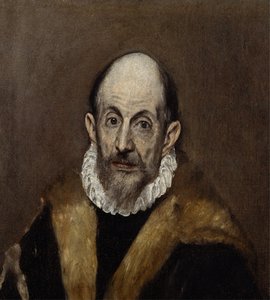
1541 - 1614 , Grécia
Explore the dramatic transition from High Renaissance harmony to Mannerist tension. Discover how masters like El Greco redefined art through distortion and spiritual intensity. An expert guide for art enthusiasts seeking deep historical context and museum-quality inspiration.

Explore the dramatic world of Italian Baroque art. Discover how masters like Caravaggio used chiaroscuro and tenebrism to revolutionize painting through light, shadow, and profound realism. A definitive guide for history lovers and art collectors.

Explore the profound elegance of Baroque Classicism. Discover how 17th-century masters synthesized dramatic emotion with classical order through the lens of the Counter-Reformation and the works of legends like Carlo Maratta and Andrea Sacchi.

Explore the dramatic power of Baroque art through an expert guide to light, shadow, and emotion. Discover how the Counter-Reformation shaped 17th-century masterpieces and learn about the profound techniques used by the Old Masters to inspire awe.

Explore the dramatic world of Tenebrism. Discover how Baroque masters like Caravaggio used intense light and shadow to redefine realism. A definitive guide for art enthusiasts seeking to understand the power of chiaroscuro in classical masterpieces.


Fique por dentro das últimas notícias de arte, ofertas exclusivas e ideias de decoração.
Conte-nos sobre o seu projeto e os nossos especialistas em arte fornecerão 3 sugestões de arte personalizadas.
Deixe que selecionamos 3 opções especialmente para você – Grátis!


 Visualizar em escala
 Enviar
 Compartilhar
 Ver detalhes

 Baixar
 Semelhantes
 Raio X
 Apresentação de slides
 Ver mais







 A opção de vidro está disponível apenas para tamanhos inferiores a 110 cm


