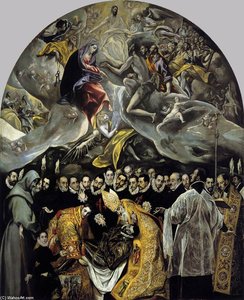
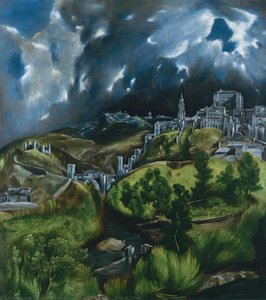
x


 Preview
 Encomendar pintura Comprar imagem em alta resolução
 Enviar
 Detalhes da obra
 Adicionar aos favoritos
 Baixar
 Semelhantes
 Raio X
 Slideshow
Impressão giclée ou em tela de qualidade de museu, com produção rápida e opções flexíveis de acabamento.





























Escolha entre os nossos tamanhos pré-definidos que respeitam as proporções originais da obra de arte.

Você pode inserir suas próprias dimensões para se ajustar a uma moldura ou espaço específico. Se o tamanho selecionado não corresponder às proporções da imagem original, iremos recortar a obra de arte ou estender a imagem com uma borda espelhada ou preenchimento sólido. Um mockup digital será enviado para sua aprovação antes do início da produção.
Por favor, observe que a visualização na tela não reflete o recorte ou a extensão real. Apenas o mockup mostrará com precisão a composição final.
Embora tamanhos personalizados estejam disponíveis, recomendamos selecionar uma dimensão da lista predefinida para preservar as proporções originais.
Entrega mundial () em 2 semanas, em vez das 4/5 semanas padrão. (25 Julho)


Apostle St Peter
Dimensões da Reprodução
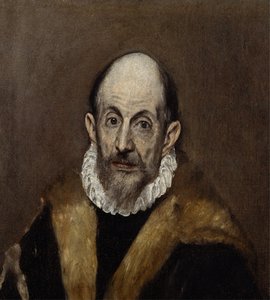
El Greco's “Apostle St Peter” is not merely a depiction of a biblical figure; it’s an intensely personal and profoundly moving meditation on faith, age, and the enduring human spirit. Painted by Doménikos Theotokópoulos – the artist known as El Greco – during his period in Toledo, Spain, this work embodies the culmination of his unique artistic vision, a synthesis of Byzantine influences with the burgeoning emotional currents of the Baroque era. The painting’s power resides not just in its subject matter but in the palpable sense of quiet contemplation radiating from the aged Apostle himself.
The central figure is St Peter, rendered as a venerable elder, his face etched with the wisdom – and perhaps the weariness – of years spent devoted to his faith. His posture, arms wrapped protectively around himself, speaks volumes about vulnerability and seeking solace. The inclusion of two birds—one near the upper left corner, another towards the lower right—adds an element of symbolic richness. Birds are frequently associated with spirituality, representing messengers from God or emblems of hope and freedom. Their presence elevates the scene beyond a simple portrait, suggesting a connection to the divine realm.
El Greco’s distinctive style is immediately recognizable in “Apostle St Peter.” He employs elongated figures, dramatic use of color—particularly the vibrant blues and yellows—and a flattened perspective to create an almost otherworldly effect. His technique, rooted in Byzantine icon painting, is characterized by meticulous detail combined with expressive distortion. Notice how he uses thick impasto – building up layers of paint – to give texture and depth to the Apostle’s robe and the birds' feathers, enhancing their three-dimensionality. The use of chiaroscuro—the dramatic contrast between light and dark—further intensifies the emotional impact of the piece.
Painted in Toledo during the 16th century, “Apostle St Peter” reflects the religious fervor of the time. Toledo was a major center for Catholic art and pilgrimage, and El Greco’s work aligns with the Counter-Reformation's emphasis on emotional piety. The Apostle’s humble attire—the blue robe and yellow cloth—suggests a rejection of ostentation and an embrace of simplicity, reflecting a core tenet of Christian faith. The painting speaks to themes of repentance, forgiveness, and the acceptance of mortality – universal human experiences rendered with unparalleled intensity.
"Apostle St Peter" is more than just a beautiful artwork; it’s an invitation to contemplate profound questions about life, faith, and the passage of time. El Greco's ability to imbue his subjects with such palpable emotion continues to resonate with viewers centuries later. This reproduction captures not only the visual details of the original but also its enduring spiritual power, making it a compelling addition to any art collection or a thoughtful centerpiece for interior design.
1541 - 1614 , Grécia

Explore the captivating world of El Greco! Discover his unique style, spiritual intensity, and lasting impact on art history. Learn about this Renaissance master's life, iconic paintings & legacy.

Explore the dramatic world of Spanish Baroque art! Discover masters like Zurbarán & the powerful influence of religious zeal on painting techniques – a guide for collectors and enthusiasts.

Explore the dramatic world of Baroque Realism! Discover iconic artists like Caravaggio & Rubens, their techniques, and the movement's lasting impact on art history. Expert insights for collectors & enthusiasts.
Discover the life & art of Peter Paul Rubens, the most influential artist of the Flemish Baroque tradition. Explore his masterpieces, legacy, and impact on art history with Most-Famous-Paintings.

Discover the captivating oil paintings of Peter Graham Li – a contemporary artist celebrated for his masterful use of light, color, and impasto technique. Explore investment potential & curated selections at Most-Famous-Paintings.


Fique por dentro das últimas notícias de arte, ofertas exclusivas e ideias de decoração.
Conte-nos sobre o seu projeto e os nossos especialistas em arte fornecerão 3 sugestões de arte personalizadas.
Deixe-nos selecionar 3 opções especialmente para você – Grátis!


 Compartilhar


 Ver mais







 A opção de vidro está disponível apenas para tamanhos inferiores a 110 cm