


x

 Óleo sobre telaArte de ParedeExpressionism
 1610Renascimento
 97.0 x 77.0 cm
 Museo del Greco
Adquira uma imagem digital de alta resolução e aprimorada, muito superior à prévia online.
Cada arquivo é meticulosamente preparado por nossos especialistas internos, utilizando ferramentas avançadas e retoques manuais de alta precisão. Garantimos que cada imagem apresente clareza excepcional, fidelidade de cores e detalhes minuciosos.
O arquivo final é entregue por e-mail em até 72 horas, otimizado para uso imediato em ambientes profissionais, editoriais e de impressão. Esta é a mesma qualidade utilizada por estúdios de design de alto nível, editoras e galerias.
Baixe um arquivo de alta resolução para exibição pessoal, impressão e projetos criativos. ( Encomendar impressão Encomendar reprodução pintada à mão)
Ao escolher o Most-Famous-Paintings.com, você não está apenas adquirindo uma imagem — você está recebendo uma obra de arte digital profissionalmente aprimorada, elaborada com precisão e com garantia de satisfação. Aqui está tudo o que acompanha seu pedido, automaticamente:

O seu arquivo de imagem digital em alta resolução será enviado por e-mail em até 72 horas após o pedido — pronto para uso imediato.

Sua obra de arte é otimizada profissionalmente por meio de ferramentas avançadas de IA e edição manual, garantindo o máximo de detalhes, clareza e precisão de cores.

Apagou ou perdeu o seu ficheiro acidentalmente? Não se preocupe – nós reenviamos para si a qualquer momento, gratuitamente.

Desfrute da sua obra de arte instantaneamente, sem taxas alfandegárias, impostos ou custos de entrega — downloads digitais são sempre isentos de taxas.

Garantimos que sua imagem digital reflita as cores originais com a maior fidelidade possível, utilizando ferramentas profissionais e gerenciamento de cores.

Se você não estiver satisfeito com sua imagem digital, nós a revisaremos ou reembolsaremos 100% dentro de 60 dias — sem perguntas.

Não está satisfeito? Receba o reembolso total em até 60 dias após o recebimento do seu arquivo digital — sem perguntas.

Compre 3 imagens, economize 10% - Compre 5, economize 15% - Compre 10+, economize 20%. Ideal para projetos criativos, galerias e agências.
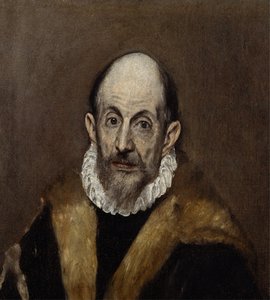
Dominikos Theotokópoulos, universally known as El Greco – “the Greek” – possessed an artistic vision that stubbornly defied categorization, a singular blend of Byzantine spirituality and Renaissance dynamism. His 1610 painting, “Apostle St Thomas,” housed within the Museo de El Greco in Toledo, Spain, stands as a potent testament to this unique approach, offering a glimpse into the mind of a master who anticipated the emotional currents of Expressionism centuries before its formal emergence. More than simply a portrait of an apostle, it’s a deeply felt meditation on faith, doubt, and the arduous journey toward spiritual understanding.
The painting immediately commands attention through its dramatic use of color and form. A deep, almost impenetrable darkness dominates the background, drawing the viewer's eye relentlessly to the central figure – St Thomas himself. He is depicted with a palpable sense of gravity, his features etched with an intensity that speaks volumes about his experience. The artist’s masterful manipulation of light creates a powerful contrast between the illuminated apostle and the enveloping shadows, suggesting both vulnerability and profound conviction. El Greco's signature style—characterized by elongated figures, distorted perspectives, and vibrant, often clashing colors—is fully realized here, creating an atmosphere that is simultaneously unsettling and deeply moving.
El Greco’s technical prowess is evident in every brushstroke. The painting was executed in oil on canvas, a medium he expertly utilized to achieve remarkable detail and texture. Notice the meticulous rendering of St Thomas's robe, its folds cascading with an almost sculptural quality. The artist employs a technique known as “sfumato,” subtly blurring edges and creating a sense of atmospheric depth—a crucial element in conveying the painting’s emotional weight. The staff held by the apostle is not merely a prop; it’s integrated into the composition, adding both visual interest and symbolic significance. Its upward thrust directs the viewer's gaze towards the heavens, reinforcing the theme of spiritual aspiration.
The composition itself is carefully constructed to guide the viewer’s eye. The figure of St Thomas occupies a central position, yet he isn’t isolated. His hands—one gesturing downward in a gesture of doubt and the other holding the staff—create a dynamic tension within the frame. This duality reflects the apostle's own struggle with disbelief before his eventual acceptance of Christ’s resurrection. The limited use of color – primarily deep blues, reds, and browns – further emphasizes the figure’s prominence and contributes to the painting’s overall sense of solemnity.
Born in Crete around 1541, El Greco spent much of his career in Italy and Spain, absorbing influences from various artistic traditions. His time in Toledo, a city steeped in religious history and art, proved particularly formative. The painting’s setting—a dimly lit interior reminiscent of the austere churches of Toledo—underscores its devotional purpose. St Thomas, as the apostle who initially doubted Christ's resurrection before receiving proof through the wound in his side, embodies the theme of faith tested by adversity.
The inclusion of the staff is also significant. It represents the pillar upon which St Thomas rested after touching the resurrected body of Christ—a potent symbol of unwavering belief and divine confirmation. The painting’s overall mood reflects the turbulent religious climate of 17th-century Spain, a period marked by both fervent piety and intense persecution of heresy. El Greco's work, often interpreted as challenging conventional artistic norms, resonated with audiences who sought a more emotionally resonant form of religious expression.
Today, “Apostle St Thomas” continues to captivate viewers with its raw emotional power and technical brilliance. The Museo de El Greco in Toledo serves as a dedicated shrine to the artist’s legacy, housing an extensive collection of his works alongside those of other Spanish masters. El Greco's influence extends far beyond the confines of the museum walls; he is considered a precursor to Expressionism and Cubism, artists who similarly sought to convey subjective experience through distorted forms and intense color palettes.
Reproductions of “Apostle St Thomas” are highly sought after by collectors and interior designers alike, offering a way to bring this iconic masterpiece into private homes and spaces. Whether admired for its historical significance or simply appreciated for its aesthetic beauty, El Greco’s “Apostle St Thomas” remains a powerful reminder of the enduring power of faith, doubt, and artistic vision.

1541 - 1614 , Grécia


Fique por dentro das últimas notícias de arte, ofertas exclusivas e ideias de decoração.
Conte-nos sobre o seu projeto e os nossos especialistas em arte fornecerão 3 sugestões de arte personalizadas.
Deixe que selecionamos 3 opções especialmente para você – Grátis!


 Visualizar em escala
 Enviar
 Compartilhar
 Ver detalhes

 Baixar
 Semelhantes
 Raio X
 Apresentação de slides
 Ver mais


