x
 Oil On CanvasWallArtSpanish Mannerism
 1607Early Modern
 112.0 x 65.0 cm
Impressão giclée ou em tela de qualidade de museu, com produção rápida e opções flexíveis de acabamento. ( Encomendar reprodução pintada à mão Comprar imagem em alta resolução)





























Escolha entre os nossos tamanhos pré-definidos que respeitam as proporções originais da obra de arte.

Você pode inserir suas próprias dimensões para se ajustar a uma moldura ou espaço específico. Se o tamanho selecionado não corresponder às proporções da imagem original, iremos recortar a obra de arte ou estender a imagem com uma borda espelhada ou preenchimento sólido. Um mockup digital será enviado para sua aprovação antes do início da produção.
Por favor, observe que a visualização na tela não reflete o recorte ou a extensão real. Apenas o mockup mostrará com precisão a composição final.
Embora tamanhos personalizados estejam disponíveis, recomendamos selecionar uma dimensão da lista predefinida para preservar as proporções originais.
Entrega mundial () em 2 semanas, em vez das 4/5 semanas padrão. (18 Agosto)


St. Idelfonso
Dimensões da Reprodução
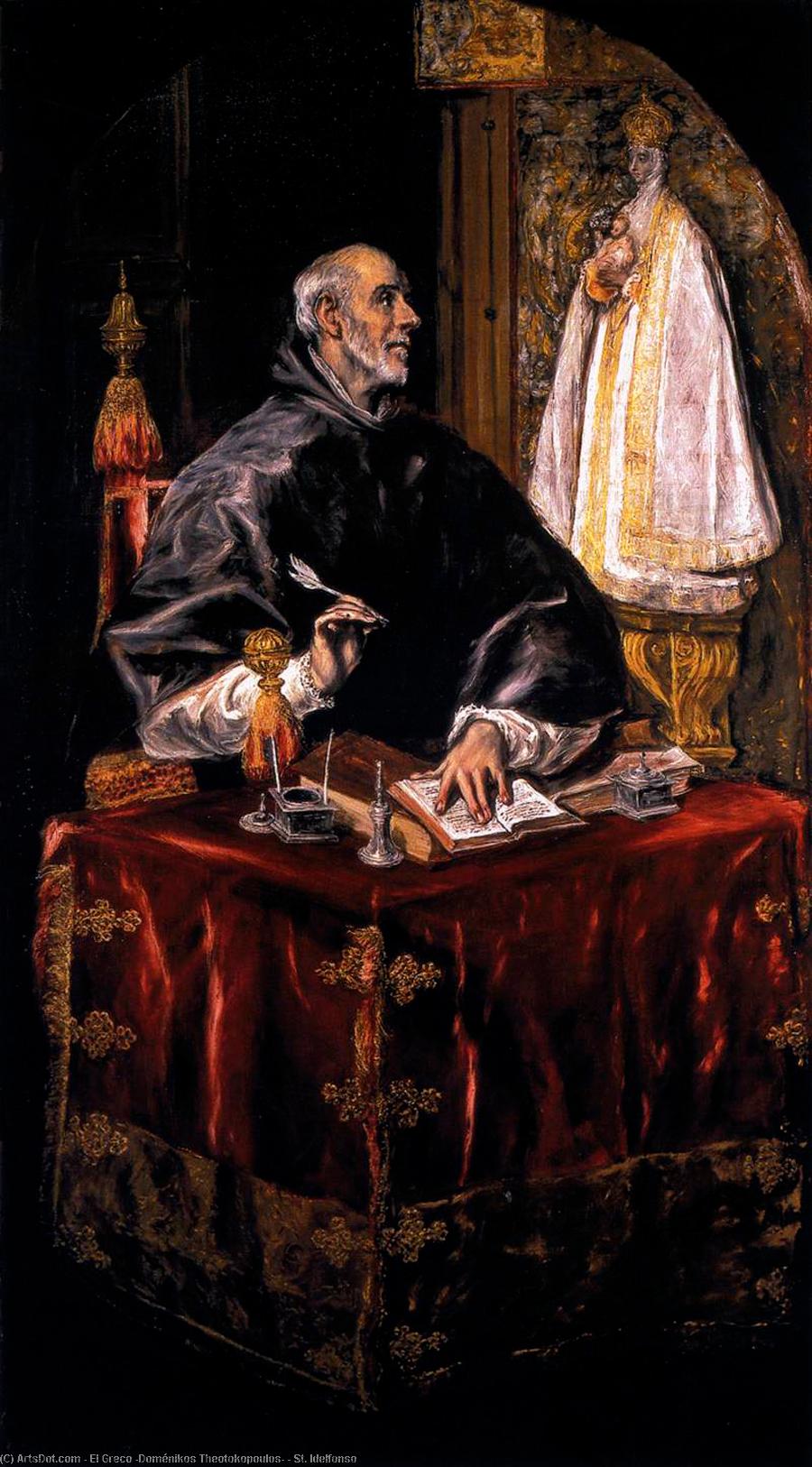
In the quiet, flickering light of 17th-century Toledo, Doménikos Theotokópoulos, known to history as El Greco, captured a moment that transcends the boundaries of time and mortality. His masterpiece, St. Idelfonso, is far more than a mere portrait; it is a profound window into the soul of the Counter-Reformation. As the central figure sits draped in heavy black robes, anchored to a desk cluttered with the tools of scholarship, we are invited into a space where intellectual rigor meets divine inspiration. The painting presents a man deeply immersed in the act of reading or writing, his posture suggesting a weight of responsibility and a quiet, focused intensity that commands the viewer's immediate respect.
The brilliance of this work lies in El Greco’s unparalleled ability to manipulate form and light through his signature Mannerist technique. To gaze upon St. Idelfonso is to witness the artist’s mastery of elongated proportions and dramatic, almost supernatural, lighting. He employs thick, textured impasto brushstrokes that breathe life into the fabric of the robes and the parchment of the papers, creating a tactile depth that feels remarkably modern. This technique does not merely replicate reality; it distorts it to convey a higher spiritual truth. The interplay of shadow and light creates an atmosphere of mystery, pulling the observer into the scholarly solitude of the subject while hinting at the presence of unseen witnesses.
Every element within this composition serves as a silent syllable in a larger theological poem. The open book resting upon the desk is not merely an object of study but a potent symbol of the intersection between human knowledge and divine revelation. In the context of 1607 Spain, such imagery resonated deeply with a society striving to fortify its faith through literacy and contemplation. The presence of additional figures—one standing behind the seated saint as a silent mentor or observer, and others peering from the periphery—adds layers of communal significance to the piece. These figures suggest that while the pursuit of wisdom is an individual journey, it is one supported by the watchful eyes of tradition and the Church.
For the discerning collector or interior designer, St. Idelfonso offers a profound emotional resonance that can transform any space. It brings with it an aura of intellectual prestige and contemplative calm, making it an ideal centerpiece for libraries, studies, or sophisticated living areas. A high-quality reproduction of this work allows one to possess not just a beautiful image, but a piece of history that embodies the tension between the earthly and the divine. The dark, moody palette and the dramatic composition provide a sense of timeless elegance, ensuring that the painting remains a captivating conversation piece that inspires awe and invites deep, lingering reflection.

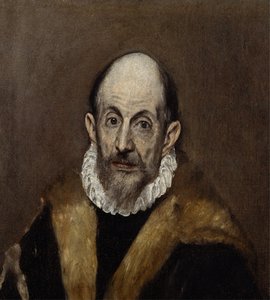
1541 - 1614 , Grécia
Explore the dramatic transition from High Renaissance harmony to Mannerist tension. Discover how masters like El Greco redefined art through distortion and spiritual intensity. An expert guide for art enthusiasts seeking deep historical context and museum-quality inspiration.

Explore the profound elegance of Baroque Classicism. Discover how 17th-century masters synthesized dramatic emotion with classical order through the lens of the Counter-Reformation and the works of legends like Carlo Maratta and Andrea Sacchi.

Explore the profound drama of Spanish Baroque art. Delve into the mastery of light, shadow, and realism through the legendary works of Diego Velázquez and the Spanish Golden Age with our expert-led historical guide.

Explore the dramatic evolution from Mannerist distortion to Baroque grandeur. Discover how light, shadow, and emotion redefined art history through a masterclass in technical mastery and religious fervor.


Fique por dentro das últimas notícias de arte, ofertas exclusivas e ideias de decoração.
Conte-nos sobre o seu projeto e os nossos especialistas em arte fornecerão 3 sugestões de arte personalizadas.
Deixe que selecionamos 3 opções especialmente para você – Grátis!


 Visualizar em escala
 Enviar
 Compartilhar
 Ver detalhes

 Baixar
 Semelhantes
 Raio X
 Apresentação de slides
 Ver mais







 A opção de vidro está disponível apenas para tamanhos inferiores a 110 cm