
Venda sua arte
Lista de desejos Carrinho de compras Cart
Visualizar em escalaVisualizar em escala Visualizar em RAVisualizar em RA Encomendar impressão Encomendar impressãoEncomendar reprodução pintada à mão Encomendar reprodução pintada à mão EnviarEnviar
Ver detalhesVer detalhes Adicionar aos favoritos Adicionar aos favoritos BaixarBaixar SemelhantesSemelhantes Raio XRaio X Apresentação de slidesApresentação de slides

The Resurrection 1

Explore El Greco’s "The Resurrection" – a dramatic Baroque masterpiece! Witness intense emotion & dynamic composition in this iconic religious painting. Discover its symbolism and artistic brilliance.

Explore a obra-prima de El Greco: 'São Francisco Recebendo as Estigmas'. Uma intensa representação da fé, sofrimento e graça divina em uma pintura icônica do século XVI.

Adquira uma imagem digital de alta resolução e aprimorada, muito superior à prévia online.

Cada arquivo é meticulosamente preparado por nossos especialistas internos, utilizando ferramentas avançadas e retoques manuais de alta precisão. Garantimos que cada imagem apresente clareza excepcional, fidelidade de cores e detalhes minuciosos.

O arquivo final é entregue por e-mail em até 72 horas, otimizado para uso imediato em ambientes profissionais, editoriais e de impressão. Esta é a mesma qualidade utilizada por estúdios de design de alto nível, editoras e galerias.

Imagem Digital

Baixe um arquivo de alta resolução para exibição pessoal, impressão e projetos criativos. (Encomendar impressão Encomendar impressãoEncomendar reprodução pintada à mão Encomendar reprodução pintada à mão)

Preço Total

$ 24,90

Incluído em cada pedido de imagem digital

Entrega Digital Especializada e Garantida

Ao escolher o Most-Famous-Paintings.com, você não está apenas adquirindo uma imagem — você está recebendo uma obra de arte digital profissionalmente aprimorada, elaborada com precisão e com garantia de satisfação. Aqui está tudo o que acompanha seu pedido, automaticamente:

shipping_icon
Entrega rápida por e-mail

O seu arquivo de imagem digital em alta resolução será enviado por e-mail em até 72 horas após o pedido — pronto para uso imediato.

canvas_icon
Arquivo Digital com IA Otimizado

Sua obra de arte é otimizada profissionalmente por meio de ferramentas avançadas de IA e edição manual, garantindo o máximo de detalhes, clareza e precisão de cores.

insurance_icon
Reenvio gratuito vitalício

Apagou ou perdeu o seu ficheiro acidentalmente? Não se preocupe – nós reenviamos para si a qualquer momento, gratuitamente.

tax_icon
Sem Taxas de Importação - Sempre

Desfrute da sua obra de arte instantaneamente, sem taxas alfandegárias, impostos ou custos de entrega — downloads digitais são sempre isentos de taxas.

color_icon
Garantia de Precisão de Cores

Garantimos que sua imagem digital reflita as cores originais com a maior fidelidade possível, utilizando ferramentas profissionais e gerenciamento de cores.

return_icon
Garantia de Satisfação de 60 Dias

Se você não estiver satisfeito com sua imagem digital, nós a revisaremos ou reembolsaremos 100% dentro de 60 dias — sem perguntas.

guarantee_icon
Garantia de Reembolso 100%

Não está satisfeito? Receba o reembolso total em até 60 dias após o recebimento do seu arquivo digital — sem perguntas.

discount_icon
Descontos para pedidos em lote

Compre 3 imagens, economize 10% - Compre 5, economize 15% - Compre 10+, economize 20%. Ideal para projetos criativos, galerias e agências.

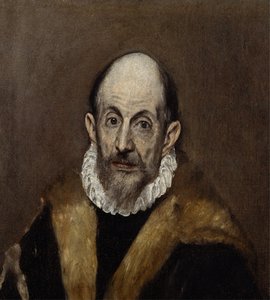
Detalhes Rápidos

  • movement: Mannerism, Baroque
  • title: The Resurrection 1
  • influences: Tintoretto, Titian
  • artist: El Greco (Doménikos Theotokopoulos)
  • medium: Oil paint
  • style: Baroque, Mannerist

Teste de Conhecimentos Artísticos

Cada pergunta possui apenas uma resposta correta.

Questão 1:
El Greco, the artist of 'The Resurrection 1', was originally from which country?
Questão 2:
Which artistic movement is most strongly associated with El Greco's style as seen in this work?
Questão 3:
The dramatic use of light and shadow in 'The Resurrection 1' is characteristic of which technique?
Questão 4:
What is the primary subject matter depicted in this artwork?
Questão 5:
Based on the description, what type of paint was likely used to create 'The Resurrection 1'?

Descrição do Colecionável

A Vision of Ascent: Exploring El Greco’s *The Resurrection*

This dramatic depiction of Christ's Ascension is a quintessential example of El Greco’s unique and powerfully emotive style. Painted during his prolific period in Toledo, Spain, this artwork transcends mere representation, offering instead a deeply spiritual experience for the viewer. The composition isn’t simply *about* the Resurrection; it *embodies* its awe-inspiring energy and profound theological significance.

Stylistic Mastery: Mannerism & Beyond

El Greco – born Doménikos Theotokópoulos in Crete – was a master of Mannerism, a style characterized by elongated figures, distorted perspectives, and intense emotionality. While influenced by his earlier training in the Byzantine icon tradition and his exposure to Venetian Renaissance masters like Titian and Tintoretto, El Greco forged a distinctly personal artistic language. Notice how he departs from strict realism; forms are stretched and contorted, not for inaccuracy, but to amplify the spiritual drama. The flattened perspective further intensifies this effect, drawing the eye upwards towards the ascending Christ. This isn’t about recreating reality, it's about conveying an *experience* of the divine.

Technique & Materials: Impasto and Illumination

The painting is executed with a masterful use of impasto – thick layers of oil paint applied to the canvas. This technique creates a rich, tactile surface that catches the light, adding to the work’s dramatic impact. The brushstrokes are visible, lending a sense of energy and immediacy. The artist expertly manipulates light and shadow—a hallmark of Baroque influence—to focus attention on Christ, who is bathed in an ethereal glow. This contrast heightens the emotional intensity and emphasizes his divine nature.

Symbolism & Iconography

At its core, *The Resurrection* depicts a pivotal moment in Christian theology: Christ’s triumphant return to heaven after his death and resurrection. The swirling clouds aren't merely atmospheric; they symbolize the celestial realm and the power of God. The figures below – rendered with varying degrees of detail – represent humanity witnessing this miraculous event. Their expressions range from grief and sorrow to awe and reverence, reflecting the complex emotions evoked by Christ’s ascension. The vibrant reds and whites dominating the central figure are symbolic colors representing divinity, purity, and sacrifice.

Historical Context & Artistic Legacy

El Greco's work was initially met with mixed reactions during his lifetime. His unconventional style didn’t always align with prevailing artistic tastes. However, his influence grew in the 20th century, particularly among Expressionist and Cubist artists who admired his bold distortions and emotional intensity. Today, El Greco is celebrated as one of the most original and influential painters in Western art history. His paintings can be found in prominent museums worldwide, including the Museo de El Greco in Toledo – a city that became synonymous with his artistic vision.

Emotional Resonance & Interior Design

*The Resurrection* is more than just a beautiful painting; it’s an emotionally charged experience. The artwork evokes feelings of reverence, hope, and spiritual transformation. Its dramatic composition and rich color palette make it a striking focal point for any interior space. A high-quality reproduction would be particularly impactful in a contemplative setting – a library, study, or meditation room – adding depth, character, and a sense of timeless beauty to the environment. The painting’s verticality also lends itself well to spaces with higher ceilings, drawing the eye upwards and creating a feeling of grandeur.

Biografia do Artista

Doménikos Theotokópoulos, called El Greco

Doménikos Theotokópoulos, universally known as El Greco – “the Greek” – stands as one of the most enigmatic and influential figures in Western art history. Born around 1541 in Crete, then under Venetian rule, his artistic journey transcended geographical boundaries and stylistic conventions, establishing him as a pioneer whose vision anticipated movements like Expressionism and Cubism centuries later. More than just a painter, El Greco was a sculptor and architect who embodied the spirit of his time—a testament to faith, innovation, and an unwavering pursuit of artistic truth.

Early Training and Cretan Roots

El Greco’s formative years were steeped in Byzantine tradition. Crete, at that time a bastion of Orthodox Christianity, nurtured a rich artistic heritage characterized by meticulous detail, symbolic imagery, and profound spiritual contemplation. He received his initial training within this environment, mastering the techniques of icon painting—a craft demanding unwavering precision and an understanding of theological concepts. This foundational knowledge would profoundly shape his subsequent artistic endeavors, informing his approach to composition, color palette, and expressive gesture. The influence of Byzantine art is palpable in his early works, particularly *Saint Titus*, where the drapery folds are rendered with astonishing realism and imbued with a sense of solemn dignity—a hallmark of Cretan painting during the Renaissance.

Venetian Exposure: Embracing Innovation

Around 1567, El Greco embarked on a transformative voyage to Venice, Italy’s artistic epicenter at the time. This relocation marked a pivotal moment in his artistic development, exposing him to the groundbreaking innovations championed by Titian, Tintoretto, and Veronese—masters who had revolutionized painting with their mastery of color, perspective, and dramatic lighting. He eagerly absorbed their techniques, experimenting with looser brushwork and embracing the sensual qualities of oil paint—a departure from the more restrained mediums favored in Crete. The Venetian influence is vividly apparent in *Saint Sebastian*, painted shortly after his arrival, where anatomical accuracy blends seamlessly with theatrical chiaroscuro—creating a scene brimming with emotional intensity. This encounter with Venetian art propelled him toward a bolder stylistic vision, one that would ultimately define his legacy.

Roman Aspirations and Mannerist Influence

El Greco’s ambition extended beyond Venice; he sought recognition in Rome, the heart of the Renaissance and papal patronage. Despite facing considerable competition within the Roman art world—a realm dominated by established artists and conservative tastes—he persevered, honing his skills and producing a series of works that showcased his talent for capturing psychological nuance and conveying profound emotion. However, El Greco struggled to gain widespread acclaim in Rome, finding it difficult to secure commissions from influential patrons. Nevertheless, he absorbed the stylistic precepts of Mannerism—a movement characterized by elongated figures, distorted perspectives, and stylized compositions—further enriching his artistic repertoire. This exposure to Mannerist aesthetics contributed to the distinctive elongation of his figures and the unsettling grandeur of his canvases—elements that would become synonymous with El Greco’s style.

Toledo: Spiritual Synthesis and Artistic Zenith

In 1577, El Greco established himself in Toledo, Spain—a city steeped in religious fervor during the Counter- Reformation and renowned for its magnificent cathedral and monastic institutions. This relocation proved to be instrumental in achieving his artistic zenith, providing him with a supportive environment and fostering collaborations with prominent patrons who recognized his singular genius. It was here that he produced his most celebrated paintings—works imbued with an unparalleled blend of Byzantine tradition, Venetian innovation, and Mannerist refinement. *The Burial of the Count of Orgaz*, considered El Greco’s masterpiece, exemplifies this synthesis perfectly—a monumental composition featuring elongated figures bathed in ethereal light, conveying a sense of spiritual transcendence that captivated audiences throughout Europe. His Toledo paintings stand as enduring symbols of faith, artistic ambition, and the transformative power of creative vision—solidifying his place among the greatest artists of all time.
El Greco

El Greco

1541 - 1614 , Grécia

Informações Rápidas

  • Artistic Movement Or Style: Mannerismo e Barroco
  • Artists Who Influenced This Artist:
    • Titian
    • Tintoretto
  • Date Of Birth: 1541
  • Full Name: Doménikos Theotokópoulos
  • Nationality: Grega
  • Notable Artworks:
    • Burial of the Count of Orgaz
    • View of Toledo
    • El Espolio
    • Saint Sebastian
  • Place Of Birth: Crete, Greece

