x

Impressão giclée ou em tela de qualidade de museu, com produção rápida e opções flexíveis de acabamento. ( Encomendar reprodução pintada à mão Comprar imagem em alta resolução)





























Escolha entre os nossos tamanhos pré-definidos que respeitam as proporções originais da obra de arte.

Você pode inserir suas próprias dimensões para se ajustar a uma moldura ou espaço específico. Se o tamanho selecionado não corresponder às proporções da imagem original, iremos recortar a obra de arte ou estender a imagem com uma borda espelhada ou preenchimento sólido. Um mockup digital será enviado para sua aprovação antes do início da produção.
Por favor, observe que a visualização na tela não reflete o recorte ou a extensão real. Apenas o mockup mostrará com precisão a composição final.
Embora tamanhos personalizados estejam disponíveis, recomendamos selecionar uma dimensão da lista predefinida para preservar as proporções originais.
Entrega mundial () em 2 semanas, em vez das 4/5 semanas padrão. (14 Agosto)


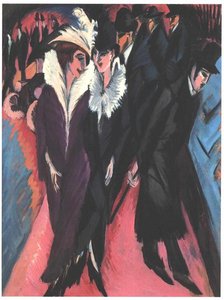
Berlin Street
Dimensões da Reprodução
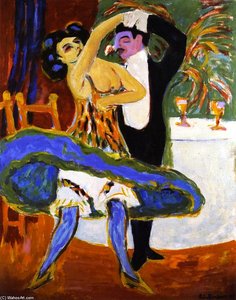
Ernst Ludwig Kirchner’s “Berlin Street” – painted in 1913, a pivotal year before the eruption of World War I – isn't merely a depiction of a city scene; it’s a visceral embodiment of urban anxiety and alienation. This oil on canvas, now housed within the Neue Galerie in New York, plunges us directly into the heart of Berlin’s burgeoning modernity, a period marked by rapid industrialization, social upheaval, and a growing sense of displacement. Kirchner, a founding member of the influential Die Brücke group, masterfully captures this unsettling atmosphere through a deliberate distortion of reality – a hallmark of Expressionism that sought to convey subjective emotional experience rather than objective representation.
Kirchner’s use of color is anything but naturalistic. He abandons traditional palettes in favor of a deliberately jarring combination of reds, blues, blacks, and purples – colors that vibrate with intensity and contribute significantly to the painting's emotional charge. These aren’t blended or softened; they are applied in bold, gestural strokes, creating a textured surface that feels both rough and alive. The clashing hues evoke a sense of unease, mirroring the psychological turmoil at the heart of the scene. Notice how the pinkish skin tones of the figures stand out against the darker background, further amplifying this feeling of dissonance.
The color palette isn’t meant to be beautiful in a conventional sense; it's designed to provoke and unsettle, reflecting the anxieties of a rapidly changing world.Kirchner’s technique is characterized by direct application of paint – an impasto effect where thick layers of pigment are built up on the canvas. These visible brushstrokes aren't simply decorative; they become integral to the painting’s expressive power. The energetic, fragmented lines define the figures’ forms while simultaneously contributing to a sense of visual chaos. The distortion of perspective and the skewed angles create an unsettling feeling of disorientation, mirroring the experience of navigating a crowded, impersonal city.
“Berlin Street” is more than just a cityscape; it’s a meditation on the human condition in the face of modernity. The painting speaks to themes of alienation, isolation, and the dehumanizing effects of urban life – concerns that resonated deeply with Kirchner and his contemporaries. The blurred faces, the anonymous crowd, and the overall sense of unease suggest a loss of connection and a feeling of being adrift within a vast, impersonal world. It’s a powerful reminder of the psychological toll exacted by the relentless pace of industrialization and the erosion of traditional values.

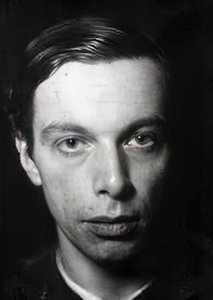
1880 - 1938 , Alemanha

Explore the visceral power of German Expressionism. From Ernst Ludwig Kirchner to Die Brücke, discover how bold colors and distorted forms unmask raw human emotion in this expert art history guide for collectors and enthusiasts.

Explore the raw energy of Jean-Michel Basquiat and the Neo-Expressionist movement. Discover how urban rebellion and SAMO© transformed 1980s New York art history through deep academic insight and visual analysis.


Fique por dentro das últimas notícias de arte, ofertas exclusivas e ideias de decoração.
Conte-nos sobre o seu projeto e os nossos especialistas em arte fornecerão 3 sugestões de arte personalizadas.
Deixe que selecionamos 3 opções especialmente para você – Grátis!


 Visualizar em escala
 Enviar
 Compartilhar
 Ver detalhes

 Baixar
 Semelhantes
 Raio X
 Apresentação de slides

 Ver mais







 A opção de vidro está disponível apenas para tamanhos inferiores a 110 cm