


x

Impressão giclée ou em tela de qualidade de museu, com produção rápida e opções flexíveis de acabamento. ( Comprar pintura feita à mão Comprar imagem)
Escolha entre os nossos tamanhos pré-definidos que respeitam as proporções originais da obra de arte.

Você pode inserir suas próprias dimensões para se ajustar a uma moldura ou espaço específico. Se o tamanho selecionado não corresponder às proporções da imagem original, iremos recortar a obra de arte ou estender a imagem com uma borda espelhada ou preenchimento sólido. Um mockup digital será enviado para sua aprovação antes do início da produção.
Por favor, observe que a visualização na tela não reflete o recorte ou a extensão real. Apenas o mockup mostrará com precisão a composição final.
Embora tamanhos personalizados estejam disponíveis, recomendamos selecionar uma dimensão da lista predefinida para preservar as proporções originais.
Entrega mundial () em 2 semanas, em vez das 4/5 semanas padrão. (23 Agosto)


Dancing Couple
Tamanho da Reprodução
“Dancing Couple” by Ernst Ludwig Kirchner presents a vibrant and somewhat unsettling depiction of an intimate moment between a man and a ballerina. The composition is dynamic, immediately drawing the viewer's eye to the central figures engaged in a dance. The subjects are not portrayed realistically; instead, Kirchner employs distortion and exaggeration characteristic of Expressionism. The dancer’s pose suggests both grace and instability, while the man appears to be supporting her, creating a sense of precariousness within their interaction. The background is a deep blue, providing a stark contrast to the warmer tones of the figures and intensifying the focus on their relationship.
Kirchner was a key figure in the German Expressionist movement, and "Dancing Couple" exemplifies this style. Expressionism sought to convey subjective emotions and experiences rather than objective reality. This is evident in Kirchner’s use of bold colors – pinks, yellows, and blues dominate the palette – creating a visually arresting effect. The brushwork is loose and visible, contributing to a textured surface that adds to the painting's emotional intensity. Impasto techniques (thickly applied paint) further enhance this texture. Lines are used expressively, defining contours and folds in a way that prioritizes feeling over precise representation. Perspective is flattened, which contributes to the overall sense of emotional compression rather than spatial realism.
This artwork was created during a period of significant social and cultural change in Germany. Kirchner was a founding member of "Die Brücke" (The Bridge), an artist collective formed in 1905 that aimed to break away from traditional artistic conventions. “Die Brücke” artists were deeply influenced by urban life, industrialization, and the anxieties of modernity. “Dancing Couple,” while seemingly depicting a romantic scene, can be interpreted as reflecting these broader themes – perhaps symbolizing the fragility of human connection in an increasingly impersonal world. The painting’s subject matter also reflects the popularity of ballet and theatrical performances during that era.
Beyond its aesthetic qualities, "Dancing Couple" carries symbolic weight. The dancer's precarious pose suggests vulnerability and dependence, while the man's support implies a complex dynamic of power and responsibility. The intense colors and distorted forms evoke a range of emotions – from excitement and passion to anxiety and unease. The painting’s overall effect is one of heightened emotionality, inviting viewers to contemplate the complexities of human relationships and the challenges of navigating modern life. It's a powerful exploration of intimacy, fragility, and the search for connection in a rapidly changing world.

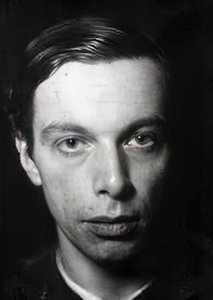
1880 - 1938 , Alemanha

Explore the visceral power of German Expressionism. From Ernst Ludwig Kirchner to Die Brücke, discover how bold colors and distorted forms unmask raw human emotion in this expert art history guide for collectors and enthusiasts.

Explore the profound history and technical brilliance of oil on panel painting. From Renaissance masters to modern techniques, discover why this rigid support offers unparalleled precision and permanence for fine art lovers and collectors.


Fique por dentro das últimas notícias de arte, ofertas exclusivas e ideias de decoração.
Conte-nos sobre o seu projeto e os nossos especialistas em arte fornecerão 3 sugestões de arte personalizadas.
Deixe que selecionamos 3 opções especialmente para você – Grátis!


 Visualizar na parede
 Compartilhar
 Compartilhar
 Detalhes

 Baixar imagem
 Semelhantes
 Raio X
 Slideshow


 Ler mais




































 A opção de vidro está disponível apenas para tamanhos inferiores a 110 cm


