x


 Encomendar pintura Comprar imagem em alta resolução
 Enviar
 Detalhes da obra
 Adicionar aos favoritos
 Baixar
 Semelhantes
 Raio X
 Slideshow
Impressão giclée ou em tela de qualidade de museu, com produção rápida e opções flexíveis de acabamento.
Escolha entre os nossos tamanhos pré-definidos que respeitam as proporções originais da obra de arte.

Você pode inserir suas próprias dimensões para se ajustar a uma moldura ou espaço específico. Se o tamanho selecionado não corresponder às proporções da imagem original, iremos recortar a obra de arte ou estender a imagem com uma borda espelhada ou preenchimento sólido. Um mockup digital será enviado para sua aprovação antes do início da produção.
Por favor, observe que a visualização na tela não reflete o recorte ou a extensão real. Apenas o mockup mostrará com precisão a composição final.
Embora tamanhos personalizados estejam disponíveis, recomendamos selecionar uma dimensão da lista predefinida para preservar as proporções originais.
Entrega mundial () em 2 semanas, em vez das 4/5 semanas padrão. (22 Julho)


Five cocottes
Dimensões da Reprodução
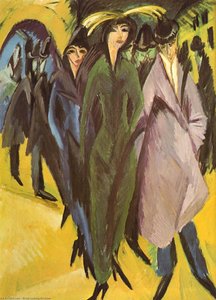
Ernst Ludwig Kirchner’s “Five Cocottes” is not merely a depiction of five figures; it's a visceral plunge into the turbulent heart of German Expressionism. Executed around 1908, this woodcut print, born from Kirchner’s profound engagement with the anxieties of his era, immediately confronts the viewer with an unsettling dynamism. The composition, deliberately chaotic and crowded, eschews traditional notions of perspective and spatial harmony, opting instead for a flattened, almost claustrophobic space where the figures – likely women – are locked in a silent, palpable struggle. Kirchner’s masterful manipulation of line is central to this effect; thick, jagged lines dominate, not to delineate form with precision, but to convey raw emotion and an underlying sense of unease. The stark contrast between black and white amplifies the drama, creating areas of intense shadow that seem to press in on the figures, mirroring perhaps a psychological state of confinement or distress.
Kirchner's use of line is far more than a stylistic choice; it’s the very language through which he communicates his subject’s emotional state. The angular, almost violent lines that define the figures’ bodies suggest a fractured sense of self, reflecting the anxieties of a society undergoing rapid industrialization and social upheaval. The geometric shapes – triangles, rectangles, sharp angles – are not decorative elements but rather structural components contributing to the overall feeling of agitation. They reinforce the impression of instability and disrupt any attempt at harmonious composition. The deliberate lack of smooth curves or flowing lines further intensifies this sense of unease, mirroring a world perceived as fragmented and chaotic.
Created during a period of significant social and political change in Germany, “Five Cocottes” reflects the anxieties of a nation grappling with modernity. Kirchner, like many artists of his time, was deeply concerned about the dehumanizing effects of industrialization and the erosion of traditional values. His work is often seen as a response to these concerns, offering a bleak yet profoundly honest portrayal of the psychological toll of modern life. Born in Aschaffenburg in 1880, Kirchner’s early life was marked by instability and displacement, experiences that undoubtedly shaped his artistic vision. He initially studied architecture but quickly gravitated towards painting, finding in it a means to express his innermost thoughts and feelings. His association with other Expressionist artists like Fritz Bleyl further solidified his commitment to this radical approach to artmaking.
“Five Cocottes” is more than just an artwork; it’s a powerful statement about the human condition. Its raw emotional intensity and innovative technique make it a compelling addition to any collection, offering a unique glimpse into the mind of one of Germany's most important Expressionist artists. A hand-painted reproduction allows you to bring this evocative piece into your own space, transforming your interior with its haunting beauty and profound psychological depth. Consider this artwork not just as decoration, but as an investment in artistic legacy – a tangible connection to a pivotal moment in the history of modern art.

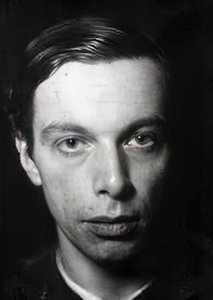
1880 - 1938 , Alemanha
Descubra a arte da decoração neutra com preto, branco e cinza! Guia completo para ambientes elegantes, minimalistas e atemporais. Dicas de especialistas e inspirações para transformar sua casa ou hotel.
Descubra as 25 obras-primas de Kazimir Malevich, pioneiro do suprematismo e da arte abstrata. Explore a história por trás de 'Black Square' e outras pinturas icônicas. Encontre reproduções de alta qualidade para transformar sua casa com Most-Famous-Paintings.com!

Explore the powerful world of Ernst Ludwig Kirchner and German Expressionism. Discover his iconic paintings, Die Brücke group, and the movement's exploration of urban anxiety & modern identity. Expert analysis for collectors & enthusiasts.
Descubra as 10 pinturas mais icônicas dominadas pelo preto marsala! Explore a história, artistas e técnicas por trás de obras-primas do barroco ao expressionismo. Encontre reproduções de arte exclusivas para decorar seu lar com elegância em Most-Famous-Paintings.com.
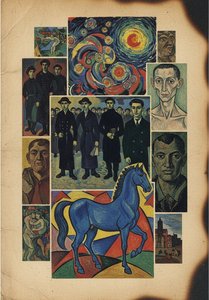
Descubra as 10 obras-primas do Expressionismo Alemão que revolucionaram a arte moderna. Explore a paixão de Munch, Kirchner e Kandinsky! Reproduções de museu em Most-Famous-Paintings.com. Explore a coleção online.


Fique por dentro das últimas notícias de arte, ofertas exclusivas e ideias de decoração.
Conte-nos sobre o seu projeto e os nossos especialistas em arte fornecerão 3 sugestões de arte personalizadas.
Deixe-nos selecionar 3 opções especialmente para você – Grátis!


 Compartilhar


 Ver mais




































 A opção de vidro está disponível apenas para tamanhos inferiores a 110 cm