x


 Comprar impressão Comprar imagem em alta resolução
 Enviar
 Detalhes da obra
 Adicionar aos favoritos
 Baixar
 Semelhantes
 Raio X
 Slideshow
 ChalkExpressionism
 1938Modern
 47.0 x 34.0 cm
Óleo sobre tela pintado à mão no seu tamanho e moldura, feito sob encomenda pelos nossos artistas.





























Escolha entre os nossos tamanhos pré-definidos que respeitam as proporções originais da obra de arte.

Pode inserir as suas próprias dimensões para se adequar a uma moldura ou espaço específico. Se o tamanho selecionado não corresponder às proporções da imagem original, iremos cortar a obra de arte ou estender a pintura com elementos adicionais pintados à mão. Um esboço digital será enviado para sua aprovação antes do início da produção.
Tenha em atenção que a pré-visualização no ecrã não reflete o corte ou extensão real. Apenas o esboço mostrará com precisão a composição final.
Embora tamanhos personalizados estejam disponíveis, recomendamos selecionar uma dimensão da lista predefinida para preservar as proporções originais.
Entrega Mundial () em 3 a 4 semanas, em vez das 5 semanas padrão. (18 Julho). Sem comprometer a qualidade.


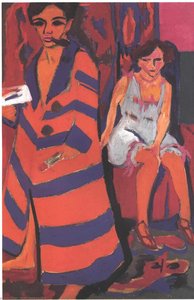
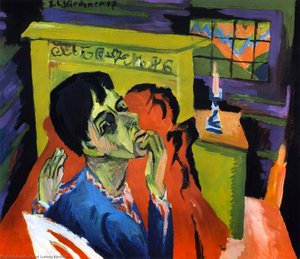
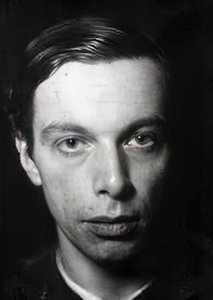
Self-portrait
Dimensões da Reprodução
Ernst Ludwig Kirchner (1880-1938) was a pivotal figure in the German Expressionist movement, specifically within Die Brücke ("The Bridge"). Founded in Dresden in 1905, Die Brücke aimed to bridge the gap between traditional art and modern life. Alongside artists like Erich Heckel and Karl Schmidt-Rottluff, Kirchner sought to express raw emotion and subjective experience through bold colors, distorted forms, and unconventional perspectives. Expressionism itself was a reaction against the perceived materialism and complacency of bourgeois society, seeking instead to convey inner turmoil and psychological states.
This self-portrait exemplifies Kirchner's signature style. The use of chalk on canvas creates a textured surface that enhances the emotional intensity. Notice the stark contrast between light and shadow, which emphasizes the subject’s features and contributes to a sense of drama. The composition is tightly cropped, focusing primarily on Kirchner’s face and upper torso. This close-up view intensifies the feeling of intimacy and vulnerability. The angular lines and simplified forms are characteristic of Expressionism, rejecting realistic representation in favor of conveying emotional truth. The purple shirt adds a touch of vibrancy against the muted background, drawing attention to the artist's gaze.
The self-portrait is not merely a likeness; it’s a profound exploration of Kirchner’s inner world. His enigmatic facial expression invites contemplation – is it weariness, anxiety, or introspection? The direct gaze engages the viewer, creating a sense of connection and shared experience. Created in 1938, shortly before Kirchner's tragic suicide amidst the rising tide of Nazism, the painting carries a palpable weight of despair and foreboding. It reflects a period of immense personal and political upheaval in Germany. The work can be interpreted as a symbolic representation of an artist grappling with his own mortality and the encroaching darkness of the era.
Kirchner's self-portrait is particularly significant within the context of German history. The rise of Nazism led to the persecution of Expressionist artists, whose work was deemed "degenerate." Kirchner’s suicide in 1938 underscored the devastating impact of this cultural repression. Today, his works are celebrated for their emotional power and artistic innovation, offering a poignant glimpse into the soul of an artist confronting profound personal and societal challenges. This self-portrait remains a powerful testament to the enduring legacy of Expressionism and its ability to convey universal human emotions.

1880 - 1938 , Alemanha

Explore the visceral power of German Expressionism. From Ernst Ludwig Kirchner to Die Brücke, discover how bold colors and distorted forms unmask raw human emotion in this expert art history guide for collectors and enthusiasts.


Fique por dentro das últimas notícias de arte, ofertas exclusivas e ideias de decoração.
Conte-nos sobre o seu projeto e os nossos especialistas em arte fornecerão 3 sugestões de arte personalizadas.
Deixe-nos selecionar 3 opções especialmente para você – Grátis!


 Compartilhar

 Ver mais







 A opção de vidro está disponível apenas para tamanhos inferiores a 110 cm