Venda sua arte
Lista de desejos Carrinho de compras Cart
Visualizar em escalaVisualizar em escala Visualizar em RAVisualizar em RA Encomendar impressão Encomendar impressãoEncomendar reprodução pintada à mão Encomendar reprodução pintada à mão EnviarEnviar
Ver detalhesVer detalhes Adicionar aos favoritos Adicionar aos favoritos BaixarBaixar SemelhantesSemelhantes Raio XRaio X Apresentação de slidesApresentação de slides

Animated Landscape1

Fernand Léger’s "Animated Landscape 1" portrays two men on a staircase amidst architectural elements—a boat and a clock—capturing the energy of the machine age with bold geometric abstraction.

Descubra Fernand Léger (1881-1955): Pioneiro do Cubismo & 'Tubismo'! Explore obras vibrantes que celebram a vida moderna, máquinas e a forma humana – um precursor da Pop Art.

Adquira uma imagem digital de alta resolução e aprimorada, muito superior à prévia online.

Cada arquivo é meticulosamente preparado por nossos especialistas internos, utilizando ferramentas avançadas e retoques manuais de alta precisão. Garantimos que cada imagem apresente clareza excepcional, fidelidade de cores e detalhes minuciosos.

O arquivo final é entregue por e-mail em até 72 horas, otimizado para uso imediato em ambientes profissionais, editoriais e de impressão. Esta é a mesma qualidade utilizada por estúdios de design de alto nível, editoras e galerias.

Imagem Digital

Baixe um arquivo de alta resolução para exibição pessoal, impressão e projetos criativos. (Encomendar impressão Encomendar impressãoEncomendar reprodução pintada à mão Encomendar reprodução pintada à mão)

Preço Total

$ 24,90

Incluído em cada pedido de imagem digital

Entrega Digital Especializada e Garantida

Ao escolher o Most-Famous-Paintings.com, você não está apenas adquirindo uma imagem — você está recebendo uma obra de arte digital profissionalmente aprimorada, elaborada com precisão e com garantia de satisfação. Aqui está tudo o que acompanha seu pedido, automaticamente:

shipping_icon
Entrega rápida por e-mail

O seu arquivo de imagem digital em alta resolução será enviado por e-mail em até 72 horas após o pedido — pronto para uso imediato.

canvas_icon
Arquivo Digital com IA Otimizado

Sua obra de arte é otimizada profissionalmente por meio de ferramentas avançadas de IA e edição manual, garantindo o máximo de detalhes, clareza e precisão de cores.

insurance_icon
Reenvio gratuito vitalício

Apagou ou perdeu o seu ficheiro acidentalmente? Não se preocupe – nós reenviamos para si a qualquer momento, gratuitamente.

tax_icon
Sem Taxas de Importação - Sempre

Desfrute da sua obra de arte instantaneamente, sem taxas alfandegárias, impostos ou custos de entrega — downloads digitais são sempre isentos de taxas.

color_icon
Garantia de Precisão de Cores

Garantimos que sua imagem digital reflita as cores originais com a maior fidelidade possível, utilizando ferramentas profissionais e gerenciamento de cores.

return_icon
Garantia de Satisfação de 60 Dias

Se você não estiver satisfeito com sua imagem digital, nós a revisaremos ou reembolsaremos 100% dentro de 60 dias — sem perguntas.

guarantee_icon
Garantia de Reembolso 100%

Não está satisfeito? Receba o reembolso total em até 60 dias após o recebimento do seu arquivo digital — sem perguntas.

discount_icon
Descontos para pedidos em lote

Compre 3 imagens, economize 10% - Compre 5, economize 15% - Compre 10+, economize 20%. Ideal para projetos criativos, galerias e agências.

Detalhes Rápidos

  • Subject or theme: Urban Landscape
  • Medium: Oil on Canvas
  • Year: 1930
  • Influences: Picasso
  • Location: Musée d'Art Moderne de Paris
  • Artistic style: Abstract Expressionism
  • Title: Animated Landscape 1

Teste de Conhecimentos Artísticos

Cada pergunta possui apenas uma resposta correta.

Questão 1:
What artistic movement is Fernand Léger associated with?
Questão 2:
The painting depicts two men standing on a staircase. What does this symbolize?
Questão 3:
What architectural element is prominently featured in “Animated Landscape 1”?’
Questão 4:
Fernand Léger’s artistic style is characterized by:
Questão 5:
The painting aims to convey a sense of what?

Descrição do Colecionável

The Pulse of Modernity: Léger’s Visionary World

Fernand Léger was not merely a painter; he was an architect of the modern spirit. Born amidst the tranquil landscapes of Normandy, his journey led him into the roaring heart of the Parisian avant-garde, where the clatter of industry and the rhythm of the machine age began to redefine the visual language of the twentieth century. In Animated Landscape 1, we witness this profound transformation. Unlike many of his contemporaries who sought refuge in pure abstraction, Léger aimed to capture the very essence of progress, weaving the mechanical energy of a changing world into a tapestry of structured, geometric beauty. This piece serves as a window into an era where the boundaries between human life and industrial innovation were beginning to blur, creating a sense of movement that feels both grounded in reality and exhilarating in its abstraction.

A Symphony of Form and Motion

Within this captivating composition, the viewer is drawn into a stylized urban vista where geometry takes center stage. The painting presents a striking arrangement of rectilinear lines and squares, meticulously constructed to evoke a sense of rhythmic vitality. At the heart of the scene, two figures dressed in elegant suits stand upon a staircase, their backs turned as if contemplating the unfolding complexity of the city around them. This architectural focal point is punctuated by unexpected elements—a clock that marks the relentless passage of time and a boat positioned toward the periphery, suggesting a wider, interconnected world. Léger’s technique is nothing short of masterful; through the use of thick impasto, he lends a tactile, physical presence to each shape, ensuring that the painting does not merely represent movement but embodies it. The interplay of light and heavy texture creates a depth that pulls the eye through the layers of the landscape, making every corner of the canvas feel alive with purpose.

  • The use of simplified, bold forms creates an unmistakable sense of structural strength and clarity.
  • The rhythmic placement of architectural elements mimics the heartbeat of an industrial city.
  • The contrast between the human figures and the mechanical shapes highlights the integration of man and machine.

An Icon of Sophisticated Design

For the discerning collector or the interior designer seeking to infuse a space with intellectual depth and visual energy, Animated Landscape 1 offers an unparalleled opportunity. The painting’s structured composition and bold, modernist aesthetic make it a commanding presence in any contemporary setting. It possesses a unique ability to anchor a room, providing a sophisticated focal point that sparks conversation and invites contemplation. Whether placed in a minimalist gallery-style loft or a richly textured study, this work brings with it the enduring spirit of the Futurist movement—a celebration of dynamism, strength, and the beautiful complexity of our modern existence. To possess a reproduction of such a masterpiece is to bring a piece of art history’s most vibrant era into the present day, ensuring that the animated energy of Léger’s vision continues to inspire generations to come.

Biografia do Artista

A Life Forged in Form: The World of Fernand Léger

Fernand Léger, born Joseph Fernand Henri Léger em 1881, emergiu das paisagens rurais de Argentan, Normandia, como uma figura central na evolução da arte moderna. Sua jornada das fazendas de sua juventude para o centro da vanguarda parisiense é um testemunho de uma visão artística inabalável e de uma busca incessante por capturar o espírito da era da máquina. Diferentemente de muitos de seus contemporâneos que abraçaram a abstração como um refúgio da representação, Léger buscou *integrar* a modernidade – sua dinâmica, suas formas mecânicas, sua própria essência – em uma nova linguagem visual que era ao mesmo tempo poderosamente abstrata e profundamente enraizada no mundo observável. Sua vida inicial, imersa na fisicalidade do trabalho agrícola, forneceu um contraste de base para o futuro industrializado que ele tanto apaixonadamente retrataria. Inicialmente destinado à arquitetura, o caminho de Léger se desviou para a pintura após chegar a Paris por volta de 1900, sustentando-se através do trabalho de desenho enquanto aperfeiçoava suas habilidades artísticas. Este período foi marcado por treinamento acadêmico tradicional, mas não foi até encontrar o trabalho inovador de Paul Cézanne que uma verdadeira transformação começou a se desenrolar.

The Birth of ‘Tubism’ and the Section d’Or

A retrospectiva de Cézanne em 1907 atuou como um catalisador, libertando Léger das representações convencionais e impulsionando-o em direção a uma abordagem mais geométrica e estrutural. Ele começou a desmontar formas, analisando suas estruturas subjacentes e reconstruindo-as sobre tela com uma nova ênfase na solidez e no volume. Esta exploração levou-o rapidamente ao círculo de Cubismo, mas Léger não estava contente em simplesmente replicar os estilos de Picasso ou Braque. Em vez disso, ele desenvolveu seu próprio idioma distinto – uma forma pessoal de Cubismo que os críticos apelidaram carinhosamente de “Tubismo”. Caracterizado por formas cilíndricas, planos achatados e contrastes de cores ousadas, Tubismo celebrou a estética da máquina muito antes de se tornar uma preocupação artística generalizada. Era uma arte nascida da observação do mundo industrial em ascensão, reconhecendo beleza em suas formas funcionais e ritmos mecânicos. Este período viu Léger participando ativamente da cena vanguardista, juntando-se a artistas como Jean Metzinger, Henri Le Fauconnier, Francis Picabia e Marcel Duchamp dentro do Grupo Puteaux, também conhecido como a Section d’Or (A Seção de Ouro). O grupo explorava princípios matemáticos de harmonia e proporção, buscando infundir sua arte com um senso de ordem e racionalidade. Suas investigações coletivas ultrapassaram os limites da expressão artística, pavimentando o caminho para o desenvolvimento futuro da arte abstrata.

War, Mechanization, and a New Aesthetic

O estopim da Primeira Guerra Mundial teve um impacto profundo na vida e obra de Léger. Servir na frente de 1914 a 1916 expôs-o às realidades brutais da guerra moderna – bombardeios de artilharia, combate aéreo e os efeitos desumanizadores do conflito mecanizado. Esta experiência não levou à desilusão ou ao abandono da modernidade; na verdade, solidificou sua fascinação por máquinas e seu poder. Esboços feitos durante seu serviço documentaram a beleza austera da tecnologia militar, transformando instrumentos de destruição em assuntos de contemplação artística. Após retornar à vida civil, a estética de Léger passou por uma evolução adicional. Suas pinturas começaram a refletir uma sensibilidade mais aerodinâmica e mecanizada, celebrando a dinâmica e a eficiência do mundo industrial. *Soldier with a Pipe* (1916) exemplifica esta mudança, apresentando formas simplificadas e cores ousadas que evocam a sensação de precisão mecânica. Não se tratava apenas de uma escolha estética; era uma declaração filosófica – uma afirmação do potencial da modernidade para o progresso e a renovação, mesmo em face da devastação causada pelo conflito.

The Evolution of Tubism and Figurative Work

Following the war, Léger continued to explore the intersection of art and industry, developing his style further. He moved away from the strict geometric forms of early Tubism, incorporating more figurative elements into his work while retaining a fascination with machine aesthetics. He began to paint scenes of urban life, factories, and transportation systems, often depicting them in a stylized manner that combined abstraction and representation. This period saw him experimenting with color palettes and techniques, seeking to capture the energy and dynamism of the modern world. Léger’s work became increasingly popular during the 1920s and 30s, exhibiting at major galleries and museums throughout Europe and America. His paintings were praised for their bold colors, simplified forms, and innovative approach to subject matter.

Legacy and Lasting Influence

In his post-war years, Léger continued to explore the intersection of art and industry, creating works that celebrated modern life with a unique blend of abstraction and figuration. His *Paysages animés* (Animated Landscapes) series from 1921 showcased figures and animals seamlessly integrated into streamlined compositions, blurring the boundaries between organic and inorganic forms. He also experimented with sculpture and filmmaking, expanding his artistic practice beyond the confines of traditional painting. Léger’s influence on subsequent generations of artists is undeniable. His bold simplification of form, his embrace of industrial imagery, and his celebration of popular culture anticipated the emergence of Pop Art decades later. Artists like Roy Lichtenstein and Andy Warhol owe a clear debt to Léger's pioneering work. He bridged the gap between abstract art and figurative representation, demonstrating that it was possible to create works that were both intellectually rigorous and visually engaging. Today, Fernand Léger’s paintings are held in major museums worldwide, including the Musée d'Art et d'Histoire in France and the Musée National Fernand Léger, dedicated solely to his work. He remains a towering figure of 20th-century art – a visionary who dared to find beauty in the machine age and to translate its energy onto canvas with unparalleled boldness and originality. His legacy is not merely as a painter, but as a prophet of modernity. *A true pioneer whose work continues to resonate with audiences today.*

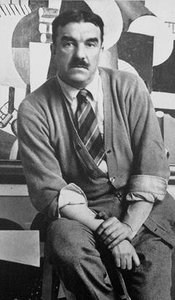
Fernand Léger

Fernand Léger

1881 - 1955 , França

Informações Rápidas

  • Artistic Movement Or Style: Cubismo, Tubismo
  • Artists Or Movements Influenced By This Artist: ['Pop Art']
  • Artists Who Influenced This Artist: ['Paul Cézanne']
  • Date Of Birth: 4 de fevereiro de 1881
  • Date Of Death: 17 de agosto de 1955
  • Full Name: Fernand Léger
  • Nationality: Francês
  • Notable Artworks:
    • A Grande Parada
    • Soldado com cano
    • Elemento Máquina
  • Place Of Birth: Argentan, França