


x

Impressão giclée ou em tela de qualidade de museu, com produção rápida e opções flexíveis de acabamento. ( Encomendar reprodução pintada à mão Comprar imagem em alta resolução)





























Escolha entre os nossos tamanhos pré-definidos que respeitam as proporções originais da obra de arte.

Você pode inserir suas próprias dimensões para se ajustar a uma moldura ou espaço específico. Se o tamanho selecionado não corresponder às proporções da imagem original, iremos recortar a obra de arte ou estender a imagem com uma borda espelhada ou preenchimento sólido. Um mockup digital será enviado para sua aprovação antes do início da produção.
Por favor, observe que a visualização na tela não reflete o recorte ou a extensão real. Apenas o mockup mostrará com precisão a composição final.
Embora tamanhos personalizados estejam disponíveis, recomendamos selecionar uma dimensão da lista predefinida para preservar as proporções originais.
Entrega mundial () em 2 semanas, em vez das 4/5 semanas padrão. (20 Agosto)


Título Traduzido: Untitled (6854)
Dimensões da Reprodução
Fernand Léger (1881–1955) stands as a monumental figure in the trajectory of modern art, marking a decisive break from traditional representation and forging an unprecedented path toward capturing the essence of the burgeoning machine age. His artistic journey began amidst the rural landscapes of Argentan, Normandy, where he absorbed the physicality of agricultural labor – a formative experience that would profoundly influence his subsequent stylistic explorations.
Initially drawn to architecture, Léger’s ambitions shifted towards painting after arriving in Paris around 1900, immersing himself in the vibrant intellectual and artistic milieu of the era. He honed his skills at the École des Beaux-Arts, absorbing influences from Impressionism and Post-Impressionism before embarking on a transformative encounter with Cubism spearheaded by Pablo Picasso and Georges Braque.
The Musée National Fernand Léger, established in Biot, France, houses an exhaustive collection of Léger’s oeuvre, offering visitors a comprehensive panorama of his stylistic evolution and artistic vision. Examining Léger's paintings reveals not merely aesthetic beauty but also a profound engagement with the intellectual currents shaping the 20th century—a celebration of both geometric abstraction and the enduring spirit of human endeavor.
Tubism represents Léger's singular contribution to Cubist theory. Rejecting the fragmentation inherent in Picasso’s approach, Léger opted for a more restrained strategy—reducing forms to cylindrical shapes and employing bold colors to convey movement and energy. This stylistic choice wasn’t merely decorative; it reflected Léger’s conviction that art could effectively communicate the fundamental principles of industrial society.
Léger's artworks transcend mere visual depiction, delving into thematic explorations rooted in social commentary. Recurring motifs—such as stylized figures engaged in manual labor—underscore Léger’s preoccupation with the transformative impact of industrialization on human existence. Simultaneously, his canvases convey a sense of optimism and aspiration, reflecting the belief that technological advancement could propel humanity toward a brighter future.
Despite Léger’s stylistic austerity—characterized by monochromatic palettes and simplified forms—his paintings possess an undeniable emotional depth. The subdued hues evoke a contemplative mood, inviting viewers to contemplate the beauty inherent in geometric abstraction and recognizing the subtle nuances of human experience within a mechanized world.

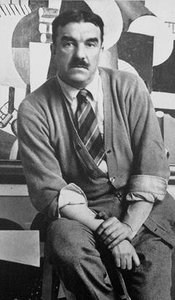
1881 - 1955 , França
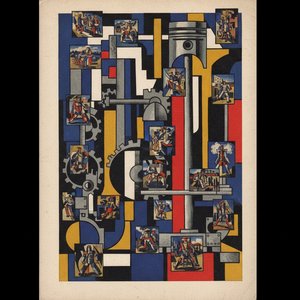
Descubra as 25 obras-primas de Fernand Léger, pioneiro do tubismo e da arte moderna. Explore a história, cores vibrantes e técnicas inovadoras por trás de seus quadros icônicos. Encontre reproduções de alta qualidade para decorar sua casa com estilo em Most-Famous-Paintings.com.

Explore the profound geometric mastery of Fernand Léger. Discover how his 'Tubism' and Machine Age aesthetics redefined modern art, offering timeless inspiration for discerning collectors seeking to integrate Cubist dynamism into sophisticated contemporary interiors.

Descubra as 10 pinturas mais icônicas dominadas pelo preto! Explore a história, técnica e emoção por trás de obras-primas do Romantismo, Realismo e Expressionismo. Encontre reproduções de arte exclusivas na Most-Famous-Paintings.com.

Explore the vibrant world of Fernand Léger. Discover how his 'Tubism' and Machine Age aesthetics redefined modern art, offering profound inspiration for discerning collectors seeking geometric beauty and industrial dynamism.

Descubra 10 obras de arte icônicas que capturam a atmosfera industrial! Explore Monet, Manet e outros mestres do Impressionismo e Realismo. Encontre reproduções de alta qualidade para transformar sua decoração em Most-Famous-Paintings.com.


Fique por dentro das últimas notícias de arte, ofertas exclusivas e ideias de decoração.
Conte-nos sobre o seu projeto e os nossos especialistas em arte fornecerão 3 sugestões de arte personalizadas.
Deixe que selecionamos 3 opções especialmente para você – Grátis!


 Visualizar em escala
 Enviar
 Compartilhar
 Ver detalhes

 Baixar
 Semelhantes
 Raio X
 Apresentação de slides
 Ver mais







 A opção de vidro está disponível apenas para tamanhos inferiores a 110 cm


