x

 Encomendar pintura Comprar imagem em alta resolução
 Enviar
 Detalhes da obra
 Adicionar aos favoritos
 Baixar
 Semelhantes
 Raio X
 Slideshow
Impressão giclée ou em tela de qualidade de museu, com produção rápida e opções flexíveis de acabamento.





























Escolha entre os nossos tamanhos pré-definidos que respeitam as proporções originais da obra de arte.

Você pode inserir suas próprias dimensões para se ajustar a uma moldura ou espaço específico. Se o tamanho selecionado não corresponder às proporções da imagem original, iremos recortar a obra de arte ou estender a imagem com uma borda espelhada ou preenchimento sólido. Um mockup digital será enviado para sua aprovação antes do início da produção.
Por favor, observe que a visualização na tela não reflete o recorte ou a extensão real. Apenas o mockup mostrará com precisão a composição final.
Embora tamanhos personalizados estejam disponíveis, recomendamos selecionar uma dimensão da lista predefinida para preservar as proporções originais.
Entrega mundial () em 2 semanas, em vez das 4/5 semanas padrão. (23 Julho)


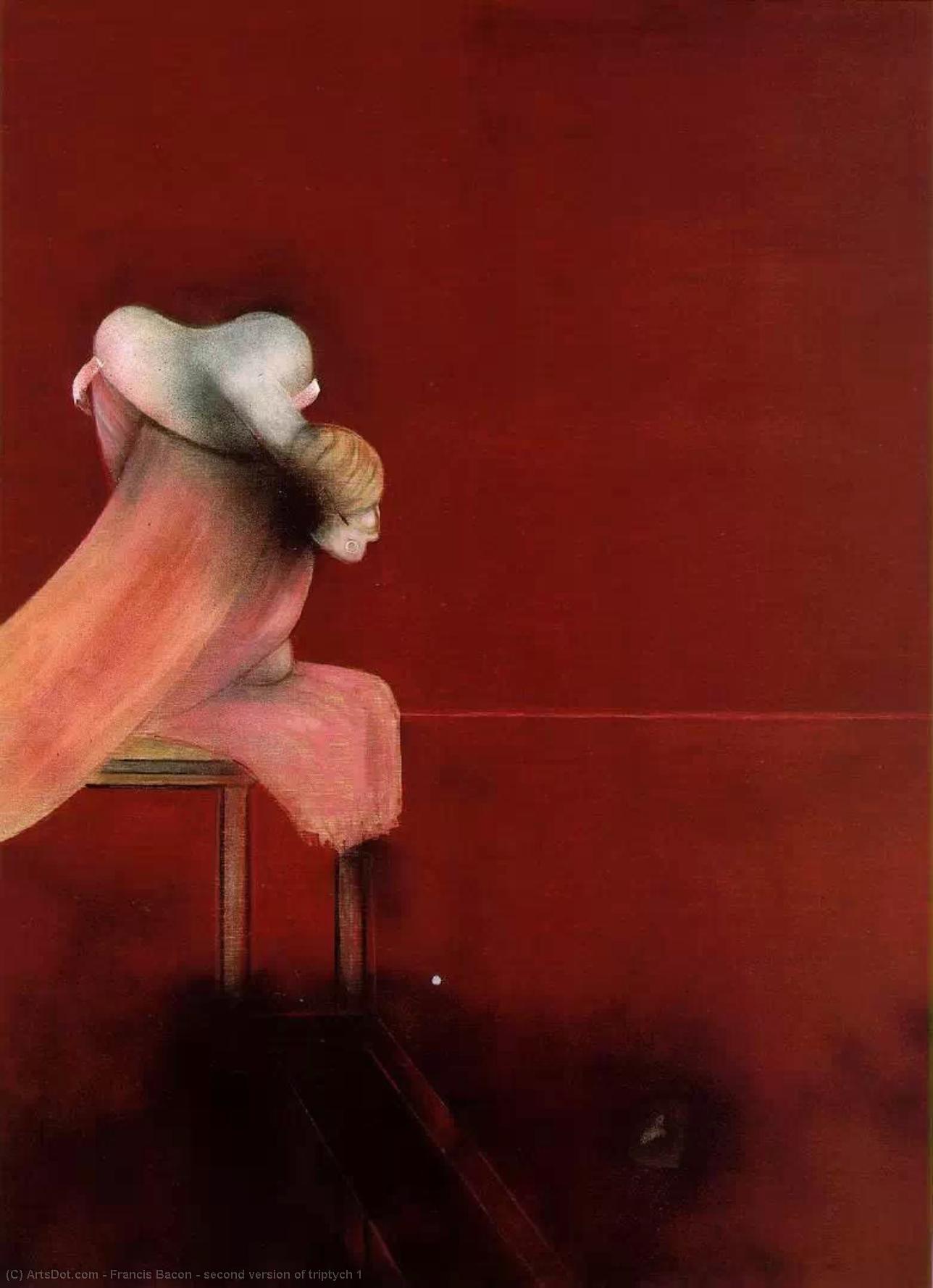
second version of triptych 1
Dimensões da Reprodução
This arresting image, a “Second Version” created in 1988 from the original 1944 work, offers an unflinching glimpse into the tormented psyche of Francis Bacon. Executed during a period of profound artistic and personal upheaval, it embodies the core tenets of his mature style – a brutal honesty rendered with unsettling precision. The composition immediately confronts the viewer with a solitary figure seated in a chair, head bowed, their appearance obscured by a mask-like distortion. This deliberate ambiguity is central to Bacon’s project: he wasn't interested in depicting recognizable reality but rather in conveying raw emotion and existential dread.
Painted in 1944, at the height of World War II, this work reflects the pervasive sense of anxiety and disillusionment that gripped Europe. Bacon’s early life, marked by instability and his mother's illness, undoubtedly informed his artistic vision. The displacement he experienced – both physical and emotional – resonates powerfully within the painting. This wasn't merely a depiction of an individual; it was a visual manifestation of the collective trauma of the era, a reflection on the loss of innocence and the fragility of human existence.
The “Second Version” created nearly four decades later demonstrates Bacon’s continued engagement with these themes. The fact that he revisited this subject matter suggests a persistent preoccupation with the darker aspects of the human condition – a theme that would define much of his career.
The mask-like distortion of the figure is perhaps the most compelling element of the painting. It obscures identity, suggesting a loss of self and an inability to connect with others. The chair itself can be interpreted as a symbol of confinement, further emphasizing the sense of isolation. Bacon was deeply interested in exploring the subconscious mind, and his work often operates on a profoundly psychological level. He sought to capture not just what he *saw*, but what he *felt* – the raw, unfiltered emotions that lie beneath the surface of consciousness.
‘Second Version of Triptych 1’ is not a comfortable image; it demands attention and provokes a visceral response. Bacon's work continues to resonate with viewers today because it confronts us with uncomfortable truths about ourselves and the world around us. It stands as a testament to his courage, his artistic vision, and his ability to translate profound psychological states into powerful visual form. This reproduction offers an opportunity to experience firsthand the intensity and emotional depth of one of the 20th century’s most significant artists.

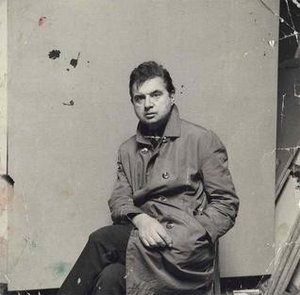
1909 - 1992 , Irlanda

Descubra as 25 obras mais impactantes de Francis Bacon, o mestre da angústia e do expressionismo. Explore a história por trás dos retratos icônicos, cores vibrantes e emoções intensas. Encontre reproduções de arte exclusivas para transformar sua casa em Most-Famous-Paintings.com!

Descubra as 25 obras-primas do Metropolitan Museum of Art em Nova York! Explore a história de Van Gogh, Monet e outros artistas renomados. Encontre reproduções de arte exclusivas para decorar sua casa com elegância. Most-Famous-Paintings.com – Sua fonte de inspiração artística.
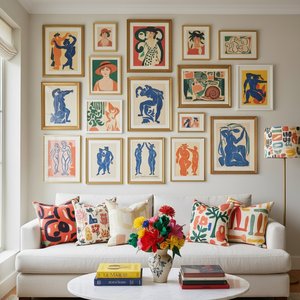
Descubra as 25 obras-primas de Henri Matisse que revolucionaram a arte moderna! Explore o Fauvismo, cores vibrantes e a história por trás dos quadros mais famosos do artista. Encontre reproduções de alta qualidade para decorar sua casa com Most-Famous-Paintings.com.
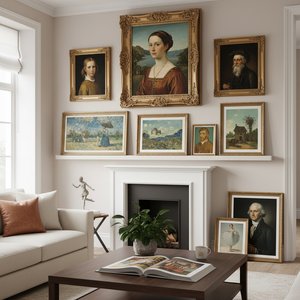
Descubra os 25 tesouros da National Gallery of Art, Washington! Explore a história de Cézanne, Matisse, Picasso e outros mestres. Encontre reproduções de arte exclusivas para decorar sua casa com elegância. Inspire-se e explore a coleção completa em Most-Famous-Paintings.com.
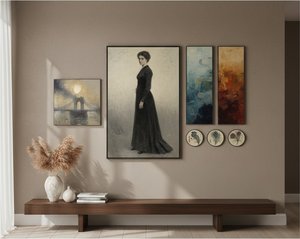
Descubra as 25 obras-primas de James Abbott McNeill Whistler, o mestre do Impressionismo e dos 'Nocturnes'. Explore a história por trás de cada pintura, cores e técnicas. Encontre reproduções de arte exclusivas para decorar sua casa com elegância em Most-Famous-Paintings.com!


Fique por dentro das últimas notícias de arte, ofertas exclusivas e ideias de decoração.
Conte-nos sobre o seu projeto e os nossos especialistas em arte fornecerão 3 sugestões de arte personalizadas.
Deixe-nos selecionar 3 opções especialmente para você – Grátis!


 Compartilhar


 Ver mais







 A opção de vidro está disponível apenas para tamanhos inferiores a 110 cm