x


 Preview
 Encomendar pintura Comprar imagem em alta resolução
 Enviar
 Detalhes da obra
 Adicionar aos favoritos
 Baixar
 Semelhantes
 Raio X
 Slideshow
Impressão giclée ou em tela de qualidade de museu, com produção rápida e opções flexíveis de acabamento.





























Escolha entre os nossos tamanhos pré-definidos que respeitam as proporções originais da obra de arte.

Você pode inserir suas próprias dimensões para se ajustar a uma moldura ou espaço específico. Se o tamanho selecionado não corresponder às proporções da imagem original, iremos recortar a obra de arte ou estender a imagem com uma borda espelhada ou preenchimento sólido. Um mockup digital será enviado para sua aprovação antes do início da produção.
Por favor, observe que a visualização na tela não reflete o recorte ou a extensão real. Apenas o mockup mostrará com precisão a composição final.
Embora tamanhos personalizados estejam disponíveis, recomendamos selecionar uma dimensão da lista predefinida para preservar as proporções originais.
Entrega mundial () em 2 semanas, em vez das 4/5 semanas padrão. (25 Julho)


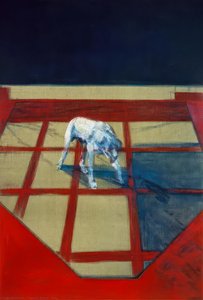
Triptych, left
Dimensões da Reprodução
To stand before a work by Francis Bacon is not merely to observe paint on canvas; it is to confront the raw, untamed core of human experience. This triptych panel, capturing a moment from 1979, invites us into a chamber of profound psychological discomfort. Here, a solitary figure is seated upon a simple bench, his posture—legs crossed in an unmistakable tableau of agony or deep introspection—becomes the central pillar of existential inquiry. Bacon does not offer comfort; he offers unflinching clarity, presenting what feels less like a portrait and more like an archaeological excavation of the soul.
Bacon’s mastery lay in his deliberate rejection of polished academic finish. His signature technique, which often incorporated encaustic painting alongside rich oils, was perfectly suited to capturing the grotesque beauty of suffering. This layering process—the building up and scraping away of wax and pigment—lends the surface a remarkable textural depth, making the emotion itself feel palpable beneath your fingertips. The paint seems to writhe, mirroring the internal turmoil of the subject. Notice how the muted backdrop, featuring the distant couch and the stark geometry of the clock on the wall, serves not as mere setting, but as an oppressive stage against which this private drama unfolds.
For Bacon, art was a means of stripping away illusion to reveal what he termed “the human animal.” This figure embodies that concept. The slumped weight, the implied gaze directed inward or past the viewer, speaks volumes about mortality and the inescapable burden of consciousness. The bench itself acts as an altar for contemplation, while the surrounding elements—the empty chairs, the ticking clock—function as silent witnesses to a private reckoning with time and vulnerability. It is a meditation on dread, rendered with brutal elegance.
Understanding Bacon requires acknowledging the shadow of the mid-20th century. His work pulses with the residue of global trauma—the aftermath of war and the subsequent questioning of established certainties. This piece carries that weight; it is a reflection on man grappling with an uncertain, often frightening, modern existence. Owning a reproduction of this panel allows one to integrate such potent historical resonance into a contemporary space, transforming a room from mere decoration into a site of profound thought.
This triptych fragment is more than just art; it is an emotional anchor. For the discerning collector or designer seeking pieces with narrative weight, Bacon offers unparalleled depth. It demands attention and rewards prolonged viewing. Whether placed in a gallery setting to provoke dialogue or within a sophisticated interior where intellectual gravitas is desired, this work ensures that conversation will always circle back to the enduring, complex nature of being human.

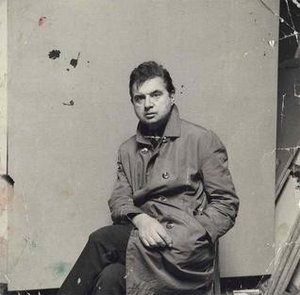
1909 - 1992 , Irlanda

Explore the captivating world of Francis Sartorius II (1734-1804), a leading British painter renowned for his exquisite equestrian portraits and hunting scenes. Discover his life, techniques & enduring legacy.

Explore the life & art of Frida Kahlo – a journey through surrealism, identity, pain, and resilience. Discover her autobiographical masterpieces & lasting feminist legacy with Most-Famous-Paintings.

Explore the captivating interplay of Surrealism & Expressionism in 20th-century art. Discover key artists like Masson and Pollock, automatism techniques, and their lasting influence. Expert insights for art enthusiasts.
Explore the powerful world of Figurative Expressionism with Most-Famous-Paintings. Discover key artists like Kirchner & Beckmann, understand its emotional depth, and learn how to collect this influential 20th-century art movement.

Explore the powerful world of Ernst Ludwig Kirchner and German Expressionism. Discover his iconic paintings, Die Brücke group, and the movement's exploration of urban anxiety & modern identity. Expert analysis for collectors & enthusiasts.


Fique por dentro das últimas notícias de arte, ofertas exclusivas e ideias de decoração.
Conte-nos sobre o seu projeto e os nossos especialistas em arte fornecerão 3 sugestões de arte personalizadas.
Deixe-nos selecionar 3 opções especialmente para você – Grátis!


 Compartilhar


 Ver mais







 A opção de vidro está disponível apenas para tamanhos inferiores a 110 cm