


x
 Art Nouveau
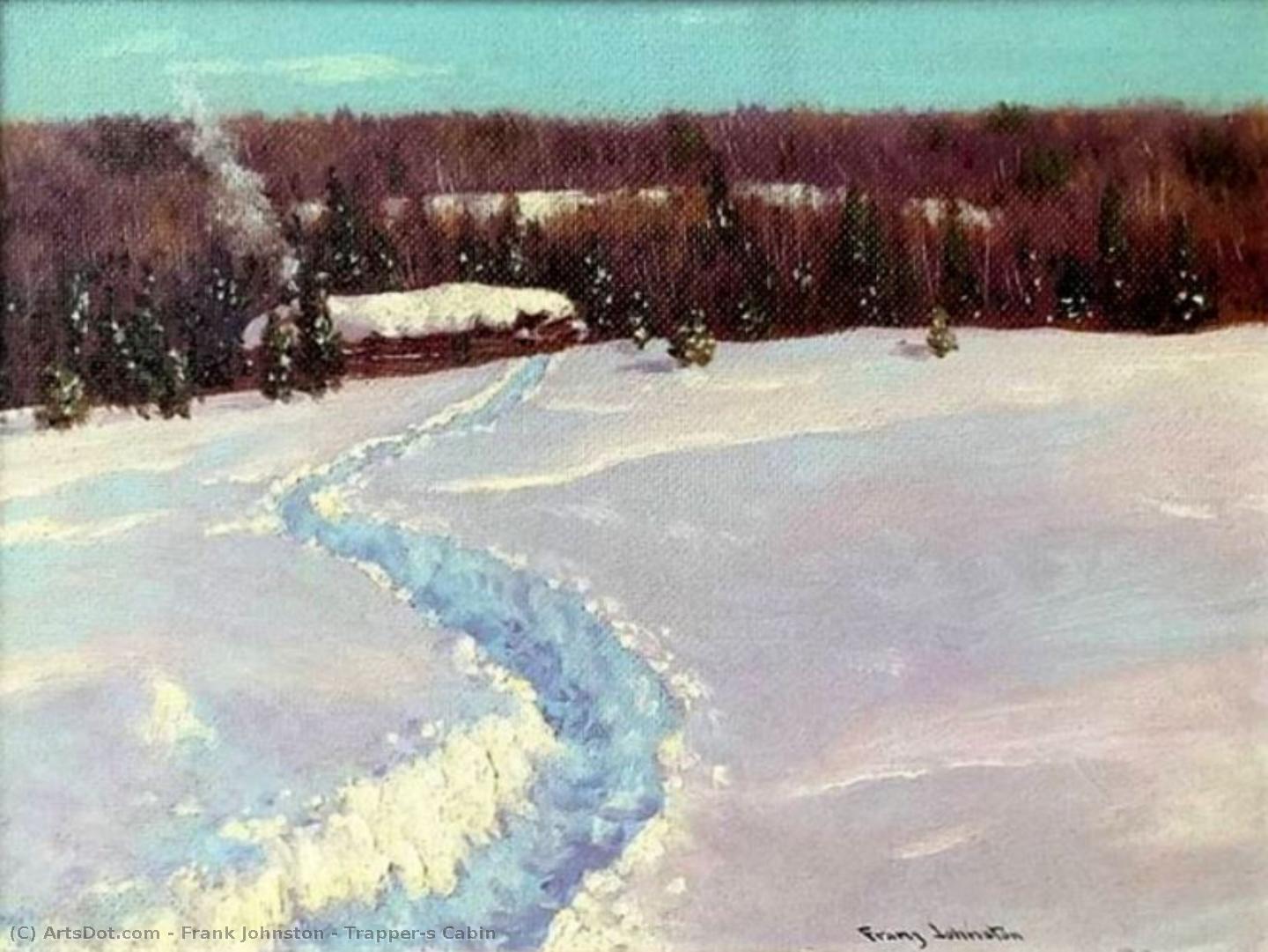
 1940
1940 43.0 x 53.0 cm
Adquira uma imagem digital de alta resolução e aprimorada, muito superior à prévia online.
Cada arquivo é meticulosamente preparado por nossos especialistas internos, utilizando ferramentas avançadas e retoques manuais de alta precisão. Garantimos que cada imagem apresente clareza excepcional, fidelidade de cores e detalhes minuciosos.
O arquivo final é entregue por e-mail em até 72 horas, otimizado para uso imediato em ambientes profissionais, editoriais e de impressão. Esta é a mesma qualidade utilizada por estúdios de design de alto nível, editoras e galerias.
Baixe um arquivo de alta resolução para exibição pessoal, impressão e projetos criativos. ( Encomendar impressão Encomendar reprodução pintada à mão)
Ao escolher o Most-Famous-Paintings.com, você não está apenas adquirindo uma imagem — você está recebendo uma obra de arte digital profissionalmente aprimorada, elaborada com precisão e com garantia de satisfação. Aqui está tudo o que acompanha seu pedido, automaticamente:

O seu arquivo de imagem digital em alta resolução será enviado por e-mail em até 72 horas após o pedido — pronto para uso imediato.

Sua obra de arte é otimizada profissionalmente por meio de ferramentas avançadas de IA e edição manual, garantindo o máximo de detalhes, clareza e precisão de cores.

Apagou ou perdeu o seu ficheiro acidentalmente? Não se preocupe – nós reenviamos para si a qualquer momento, gratuitamente.

Desfrute da sua obra de arte instantaneamente, sem taxas alfandegárias, impostos ou custos de entrega — downloads digitais são sempre isentos de taxas.

Garantimos que sua imagem digital reflita as cores originais com a maior fidelidade possível, utilizando ferramentas profissionais e gerenciamento de cores.

Se você não estiver satisfeito com sua imagem digital, nós a revisaremos ou reembolsaremos 100% dentro de 60 dias — sem perguntas.

Não está satisfeito? Receba o reembolso total em até 60 dias após o recebimento do seu arquivo digital — sem perguntas.

Compre 3 imagens, economize 10% - Compre 5, economize 15% - Compre 10+, economize 20%. Ideal para projetos criativos, galerias e agências.

Vincent van Gogh (1853-1890) remains one of the most recognizable and profoundly influential figures in art history, a testament to the power of raw emotion channeled through brushstrokes. Born in Groot Zundert, Netherlands, into a family with a strong religious background, Van Gogh’s early life was marked by a sense of restlessness and a yearning for purpose that would ultimately drive him toward an unconventional path as an artist. Initially working as an art dealer, he struggled to find success and fulfillment until, at the age of 27, he decided to dedicate himself entirely to painting – a decision that would irrevocably alter both his life and the course of modern art.
Van Gogh’s artistic journey was remarkably short but intensely productive. He developed a distinctive style characterized by bold colors, impasto (thickly applied paint), swirling brushstrokes, and an expressive use of line. His early works, often depicting peasant laborers and rural landscapes, were influenced by the Realist movement and the Dutch Masters. However, he quickly moved beyond mere imitation, seeking to capture not just the appearance of a subject but also its emotional essence. This shift is evident in his series of "Sunflowers," vibrant still lifes that radiate with energy and optimism, and in his depictions of the night sky, which are imbued with a sense of wonder and turbulence.
A pivotal moment in Van Gogh’s career was his move to Paris in 1886. There, he encountered the Impressionist and Post-Impressionist movements, absorbing influences from artists like Monet, Degas, and Toulouse-Lautrec. He experimented with brighter colors, looser brushwork, and a greater emphasis on capturing fleeting moments of light and atmosphere. However, it was his time in Arles, Southern France, in 1888, that produced some of his most iconic works – including “Bedroom in Arles,” “The Starry Night Over the Rhone,” and the celebrated "Sunflowers" series. This period marked a peak in his creative output, fueled by a desire to establish an artist’s colony alongside Paul Gauguin, though this collaboration ultimately ended in tragedy.
Van Gogh's artistic development was shaped by a complex interplay of influences. Initially drawn to the realism of Dutch masters like Rembrandt and Millet, he gradually embraced the Impressionist techniques of capturing light and color. The Symbolist movement, with its focus on subjective experience and emotional expression, also played a significant role in his evolving style. Notably, he was deeply affected by Japanese woodblock prints, which introduced him to bold compositions, flattened perspectives, and simplified forms – elements that would later become integral to his own work.
Crucially, Van Gogh’s artistic vision wasn't solely derived from external sources. He possessed a highly developed sense of observation and an intense emotional sensitivity. His paintings are not simply representations of the world but rather expressions of his inner state – his joys, sorrows, anxieties, and spiritual yearnings. This intensely personal approach to art distinguishes him from many of his contemporaries and contributes significantly to the enduring power of his work.
Van Gogh’s oeuvre encompasses a remarkable range of subjects, including portraits, landscapes, still lifes, and interiors. However, certain themes recur throughout his paintings, reflecting his core concerns and artistic interests. These include: the beauty of nature, particularly the rural landscapes of Provence; the dignity of labor and the lives of ordinary people; the solace found in religious faith; and the experience of mental illness and emotional turmoil.
Some of his most celebrated works include “The Potato Eaters” (1885), a poignant depiction of peasant life; "Self-Portrait with Bandaged Ear" (1889), a haunting image that reveals the artist’s struggles with mental health; and, of course, the series of “Sunflowers,” which are renowned for their vibrant colors and expressive brushwork. His later works, painted during his stay at Saint-Paul-de-Mausole asylum in 1889, are characterized by a heightened sense of intensity and emotional vulnerability – culminating in masterpieces like "The Starry Night."
Despite achieving little commercial success during his lifetime, Vincent van Gogh’s work has since become universally recognized as one of the most important achievements in art history. His innovative techniques, expressive style, and deeply personal vision profoundly influenced generations of artists, paving the way for movements such as Expressionism and Fauvism.
Van Gogh's legacy extends far beyond the realm of painting. He is now celebrated as a symbol of artistic genius, emotional honesty, and the transformative power of creativity. His life story – marked by hardship, struggle, and ultimately tragic loss – continues to resonate with audiences worldwide, reminding us of the enduring value of human experience and the importance of pursuing one’s passions.
Today, Van Gogh's paintings are displayed in major museums around the world, attracting millions of visitors each year. His work serves as a powerful reminder that art can transcend boundaries, connect people across cultures, and offer profound insights into the human condition.

1888 - 1949 , Canada


Fique por dentro das últimas notícias de arte, ofertas exclusivas e ideias de decoração.
Conte-nos sobre o seu projeto e os nossos especialistas em arte fornecerão 3 sugestões de arte personalizadas.
Deixe que selecionamos 3 opções especialmente para você – Grátis!


 Visualizar em escala
 Enviar
 Compartilhar
 Ver detalhes

 Baixar
 Semelhantes
 Raio X
 Apresentação de slides
 Ver mais





