


x

 Preview
 Encomendar pintura Comprar imagem em alta resolução
 Enviar
 Detalhes da obra
 Adicionar aos favoritos
 Baixar
 Semelhantes
 Raio X
 Slideshow
 Oil On CanvasWallArtGerman Expressionism
 1913Late Medieval
 87.0 x 65.0 cm
Impressão giclée ou em tela de qualidade de museu, com produção rápida e opções flexíveis de acabamento.





























Escolha entre os nossos tamanhos pré-definidos que respeitam as proporções originais da obra de arte.

Você pode inserir suas próprias dimensões para se ajustar a uma moldura ou espaço específico. Se o tamanho selecionado não corresponder às proporções da imagem original, iremos recortar a obra de arte ou estender a imagem com uma borda espelhada ou preenchimento sólido. Um mockup digital será enviado para sua aprovação antes do início da produção.
Por favor, observe que a visualização na tela não reflete o recorte ou a extensão real. Apenas o mockup mostrará com precisão a composição final.
Embora tamanhos personalizados estejam disponíveis, recomendamos selecionar uma dimensão da lista predefinida para preservar as proporções originais.
Entrega mundial () em 2 semanas, em vez das 4/5 semanas padrão. (27 Julho)


Foxes
Dimensões da Reprodução
Franz Marc's "Foxes," painted in 1913 during a pivotal moment in his artistic journey, is more than just a depiction of two animals; it’s an embodiment of the German Expressionist movement’s core tenets – a passionate exploration of emotion, spirituality, and the profound connection between humanity and the natural world. Created at the cusp of World War I, this work reflects Marc's evolving philosophy, moving beyond mere representation towards a symbolic language deeply rooted in his belief that art could serve as a conduit for spiritual experience. The painting’s vibrant energy and unconventional composition immediately draw the viewer into a realm where form and color intertwine to evoke a sense of both joy and melancholy.
Marc's artistic style during this period was characterized by bold, almost childlike brushstrokes applied with unrestrained enthusiasm. He deliberately eschewed meticulous detail in favor of capturing the essence of his subjects – primarily animals – through simplified geometric shapes and intensely saturated hues. “Foxes” exemplifies this approach perfectly. The foxes themselves are rendered as dynamic, almost dancing figures, their bodies fragmented into cubist forms that suggest movement and vitality. The background—a swirling blend of red and blue—isn’t merely a backdrop but an active participant in the scene, pulsating with energy and contributing to the overall sense of dynamism. This deliberate distortion of reality wasn't intended to mimic nature literally; instead, it aimed to express the artist’s inner vision and emotional response to the subject.
For Franz Marc, color held a profound significance that extended far beyond its aesthetic qualities. He developed his own theory of color symbolism, believing each hue possessed inherent spiritual meaning. In “Foxes,” this is vividly apparent. The dominant reds and blues aren’t simply decorative choices; they represent fundamental forces—red symbolizing passion, vitality, and even danger, while blue embodies tranquility, spirituality, and the vastness of the heavens. The interplay between these colors creates a visual tension that mirrors the foxes' playful yet slightly unsettling interaction. Marc wasn’t interested in replicating naturalistic color palettes; he sought to use color as a direct expression of feeling, creating an emotional resonance within the viewer.
Furthermore, the choice of animals themselves held symbolic weight for Marc. Foxes, often associated with cunning and mystery, were frequently depicted by him as representing the soul or spirit. Their playful movements and vibrant colors suggest a joyful connection to this spiritual realm. The painting can be interpreted as a celebration of life’s inherent beauty and interconnectedness—a reminder that even in moments of uncertainty, there is always an underlying current of vitality and wonder.
“Foxes” stands as a cornerstone of German Expressionism, demonstrating Marc's innovative approach to form, color, and symbolism. Inspired by the pioneering work of French Cubists like Pablo Picasso and Georges Braque, as well as the Orphic works of Robert Delaunay, Marc pushed beyond mere geometric abstraction, imbuing his paintings with a deeply personal and spiritual dimension. His willingness to challenge conventional artistic norms and prioritize emotional expression paved the way for subsequent generations of artists who sought to capture the complexities of human experience through unconventional means.
The painting’s journey through art history is as compelling as its aesthetic qualities. Initially held by the Museum Kunstpalast in Düsseldorf, it was returned to the heirs of Kurt Grawi in 2022 and subsequently sold at auction, signaling a significant moment in the artist's legacy and the ongoing efforts to repatriate looted artwork. Today, “Foxes” continues to captivate audiences with its vibrant colors, dynamic composition, and profound emotional depth—a testament to Franz Marc’s enduring artistic vision.

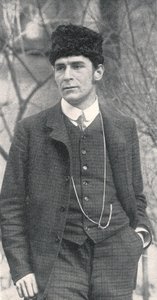
1880 - 1916 , Alemanha
Descubra as 25 obras-primas de Marc Chagall, o mestre da cor e da memória! Explore a história por trás das pinturas expressionistas mais icônicas do artista russo. Encontre reproduções de arte de alta qualidade para decorar sua casa com estilo em Most-Famous-Paintings.com.
Descubra as 10 obras-primas do Expressionismo Alemão que revolucionaram a arte moderna. Explore a paixão de Munch, Kirchner e Kandinsky! Reproduções de museu em Most-Famous-Paintings.com. Explore a coleção online.

Descubra as 10 obras de arte mais emblemáticas que celebram a cor! Explore a história, técnica e significado por trás de Van Gogh, Monet, Matisse e outros mestres. Encontre reproduções de alta qualidade para transformar sua casa em Most-Famous-Paintings.com.

Explore the profound world of Franz Marc's Expressionist paintings. Discover his spiritual connection to animals, innovative use of color, and lasting impact on modern art history. Learn more at Most-Famous-Paintings.

Explore the powerful impact of color in art history! Discover how master artists evoked emotion & built movements through bold palettes. Expert insights for collectors – Most-Famous-Paintings.


Fique por dentro das últimas notícias de arte, ofertas exclusivas e ideias de decoração.
Conte-nos sobre o seu projeto e os nossos especialistas em arte fornecerão 3 sugestões de arte personalizadas.
Deixe-nos selecionar 3 opções especialmente para você – Grátis!


 Compartilhar

 Ver mais







 A opção de vidro está disponível apenas para tamanhos inferiores a 110 cm


