x

Impressão giclée ou em tela de qualidade de museu, com produção rápida e opções flexíveis de acabamento. ( Encomendar reprodução pintada à mão Comprar imagem em alta resolução)





























Escolha entre os nossos tamanhos pré-definidos que respeitam as proporções originais da obra de arte.

Você pode inserir suas próprias dimensões para se ajustar a uma moldura ou espaço específico. Se o tamanho selecionado não corresponder às proporções da imagem original, iremos recortar a obra de arte ou estender a imagem com uma borda espelhada ou preenchimento sólido. Um mockup digital será enviado para sua aprovação antes do início da produção.
Por favor, observe que a visualização na tela não reflete o recorte ou a extensão real. Apenas o mockup mostrará com precisão a composição final.
Embora tamanhos personalizados estejam disponíveis, recomendamos selecionar uma dimensão da lista predefinida para preservar as proporções originais.
Entrega mundial () em 2 semanas, em vez das 4/5 semanas padrão. (18 Agosto)


Cotopaxi
Dimensões da Reprodução
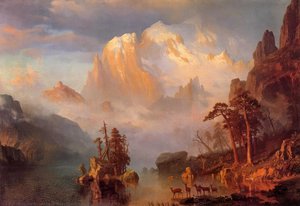
Frederic Edwin Church’s *Cotopaxi*, completed in 1862, stands as arguably the pinnacle of his prolific output and a cornerstone of the Hudson River School's artistic legacy. More than just a depiction of a towering volcano—the second highest peak in Ecuador—it embodies a profound engagement with scientific observation coupled with Romantic idealism, reflecting Church’s fascination with geological formations and his desire to convey awe at the grandeur of God’s creation.
Church embarked on an ambitious expedition to South America in 1853, driven by a fervent belief in the importance of experiencing nature firsthand. Before tackling the monumental canvas, he meticulously documented Cotopaxi through numerous preparatory sketches—a practice characteristic of the Hudson River School’s approach. These sketches weren't merely exercises in draughtsmanship; they served as crucial visual references, informing Church’s compositional decisions and ensuring accuracy in capturing the volcano’s imposing presence.
Church employed a masterful technique—primarily oil on canvas—characterized by layering glazes to achieve luminous effects. He meticulously blended pigments to reproduce the fiery hues of the volcanic eruption and the ethereal glow of the sunrise, demonstrating an unparalleled understanding of color theory. The painting’s style aligns perfectly with the Hudson River School's aesthetic principles: a deliberate rejection of Impressionistic fleetingness in favor of capturing enduring beauty and conveying spiritual contemplation. Church skillfully utilized atmospheric perspective—a technique pioneered by Cole—to create depth and realism, transporting viewers to the dramatic landscape.
*Cotopaxi* transcends its visual representation; it functions as a powerful allegory for confronting existential challenges. The volcano’s eruption symbolizes upheaval and transformation, mirroring the anxieties surrounding the American Civil War. Church deliberately positioned two suns—one on the left and one on the right—to represent divine illumination battling darkness, reinforcing the painting's thematic core. Furthermore, the inclusion of two figures gazing upon the vista underscores humanity’s insignificance against the immensity of nature while simultaneously celebrating its sublime splendor.
Today, *Cotopaxi* continues to captivate audiences worldwide. Its breathtaking depiction of Andean majesty—combined with Church's masterful artistic execution—solidifies its place as a masterpiece of Romantic landscape painting. Exhibited prominently at the Detroit Institute of Arts and other prestigious institutions, it serves as an enduring testament to the power of art to inspire wonder and contemplation about our relationship with the natural world.


1826 - 1900 , Estados Unidos da América

Explore the profound history and technical mastery of woodcut relief printing. From ancient origins to German Expressionism, discover how artists use the subtractive process to create iconic works. A definitive guide for art students, collectors, and historians.


Fique por dentro das últimas notícias de arte, ofertas exclusivas e ideias de decoração.
Conte-nos sobre o seu projeto e os nossos especialistas em arte fornecerão 3 sugestões de arte personalizadas.
Deixe que selecionamos 3 opções especialmente para você – Grátis!


 Visualizar em escala
 Enviar
 Compartilhar
 Ver detalhes

 Baixar
 Semelhantes
 Raio X
 Apresentação de slides


 Ver mais







 A opção de vidro está disponível apenas para tamanhos inferiores a 110 cm