


x
 1884
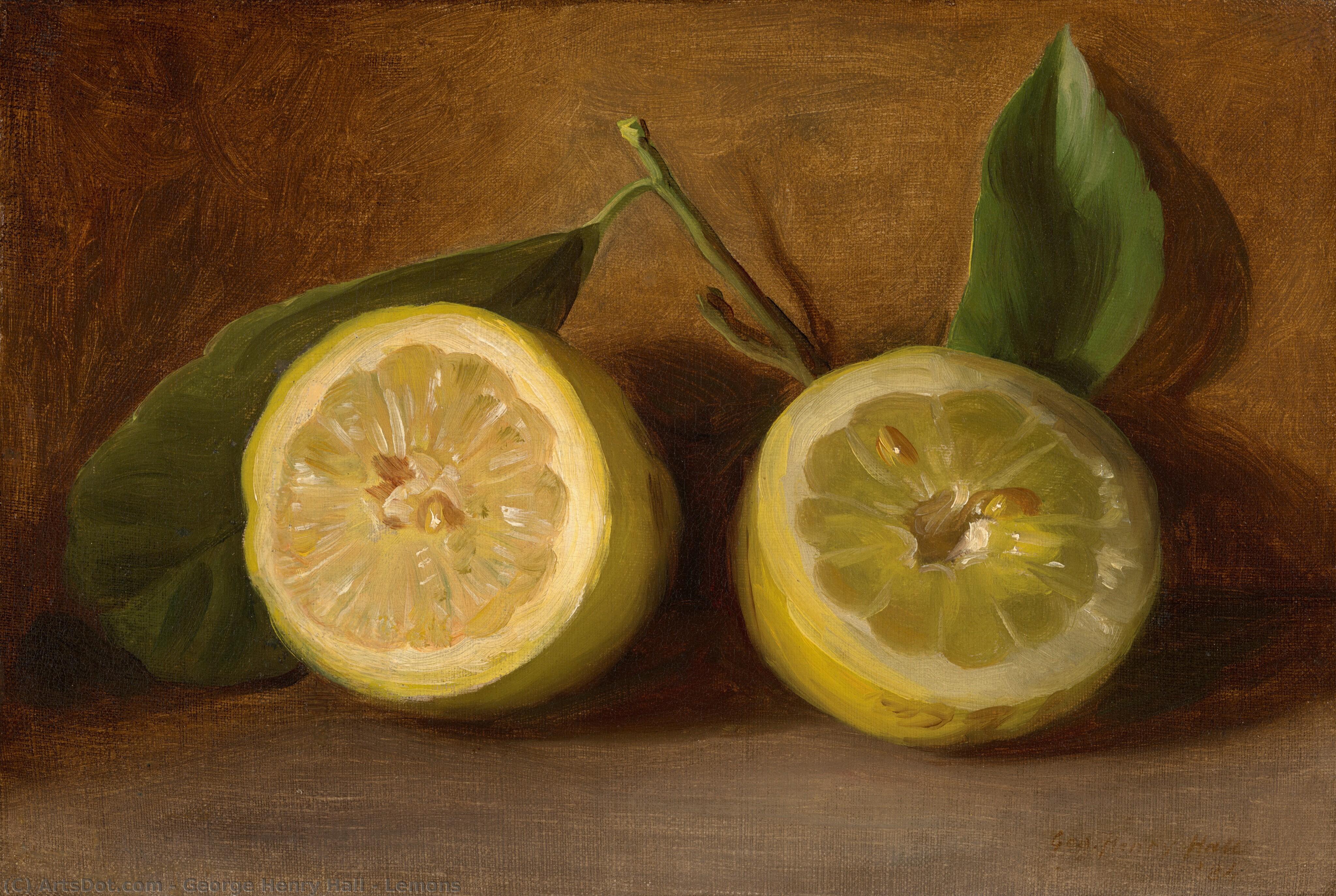
1884 33.0 x 41.0 cm
Impressão giclée ou em tela de qualidade de museu, com produção rápida e opções flexíveis de acabamento. ( Encomendar reprodução pintada à mão Comprar imagem em alta resolução)
Escolha entre os nossos tamanhos pré-definidos que respeitam as proporções originais da obra de arte.

Você pode inserir suas próprias dimensões para se ajustar a uma moldura ou espaço específico. Se o tamanho selecionado não corresponder às proporções da imagem original, iremos recortar a obra de arte ou estender a imagem com uma borda espelhada ou preenchimento sólido. Um mockup digital será enviado para sua aprovação antes do início da produção.
Por favor, observe que a visualização na tela não reflete o recorte ou a extensão real. Apenas o mockup mostrará com precisão a composição final.
Embora tamanhos personalizados estejam disponíveis, recomendamos selecionar uma dimensão da lista predefinida para preservar as proporções originais.
Entrega mundial () em 2 semanas, em vez das 4/5 semanas padrão. (16 Agosto)


Lemons
Dimensões da Reprodução
To step into the world of George Henry Hall is to enter a realm where time slows, and the ephemeral beauty of the natural world is captured with breathtaking permanence. Born in 1825, Hall was an artist whose life spanned the transformative decades of the nineteenth century, bridging the gap between American roots and European refinement. While his origins are often traced to Manchester, New Hampshire, and his early years were shaped by the cultural landscape of Boston, his artistic soul was forged in the great academies of Europe. His journey took him through the prestigious studios of Düsseldorf and Paris, allowing him to absorb the rigorous technical discipline of German realism and the atmospheric elegance of French painting. This international odyssey endowed his work with a unique versatility, making him one of the most respected still-life painters of his era, capable of rendering the simplest piece of fruit with the dignity of a classical masterpiece.
The essence of Hall’s artistry lies in his profound ability to marry scientific observation with Romantic sentiment. Influenced heavily by the writings of John Ruskin, Hall embraced a philosophy that sought truth in nature through meticulous detail and moral beauty. This influence is palpable in his approach to composition; he did not merely paint objects, but rather staged them within environments that felt alive and breathing. Whether he was depicting the rugged charm of a blacksmith's workshop in the Catskills or the delicate arrangement of Mediterranean flora, there is always an underlying sense of verisimilitude—a commitment to representing the world as it truly appears under the shifting play of light. His technique involved sophisticated glazing methods that allowed light to penetrate layers of oil paint, creating a luminous, inner glow that makes his peaches appear succulent and his grapes appear heavy with juice.
Hall’s oeuvre is a testament to the Victorian fascination with the tactile and the transient. He possessed an uncanny knack for capturing textures that invite the viewer to reach out and touch the canvas. In his celebrated still lifes, one can almost feel the velvet skin of a ripening peach or the cool, waxy surface of a leaf. This mastery extended beyond mere imitation; it was an exploration of symbolism and vitality. His paintings often served as celebrations of abundance and the fleeting perfection of the harvest. By placing his subjects in outdoor, natural settings rather than sterile studio interiors, he infused his still lifes with a sense of atmosphere, suggesting that these beautiful objects were part of a larger, interconnected ecosystem of light, air, and earth.
Throughout his prolific career, Hall achieved significant milestones that cemented his place in the annals of art history:
Ultimately, the historical significance of George Henry Hall resides in his ability to capture the spirit of an age. He lived through a period where the world was expanding through scientific discovery and industrial progress, yet he chose to focus his lens on the enduring, quiet wonders of the natural world. His paintings remain much more than mere records of botanical specimens; they are emotional evocations of peace, prosperity, and the sublime beauty found in the smallest details of life. Today, his works continue to enchant collectors and historians alike, serving as luminous windows into the heart of the nineteenth century.

1825 - 1913 , United Kingdom


Fique por dentro das últimas notícias de arte, ofertas exclusivas e ideias de decoração.
Conte-nos sobre o seu projeto e os nossos especialistas em arte fornecerão 3 sugestões de arte personalizadas.
Deixe que selecionamos 3 opções especialmente para você – Grátis!


 Visualizar em escala
 Enviar
 Compartilhar
 Ver detalhes

 Baixar
 Semelhantes
 Raio X
 Apresentação de slides
 Ver mais




































 A opção de vidro está disponível apenas para tamanhos inferiores a 110 cm


