x

 Acrylic On CanvasWallArtContemporary Realism
 2005Contemporary
 62.0 x 57.0 cm
Adquira uma imagem digital de alta resolução e aprimorada, muito superior à prévia online.
Cada arquivo é meticulosamente preparado por nossos especialistas internos, utilizando ferramentas avançadas e retoques manuais de alta precisão. Garantimos que cada imagem apresente clareza excepcional, fidelidade de cores e detalhes minuciosos.
O arquivo final é entregue por e-mail em até 72 horas, otimizado para uso imediato em ambientes profissionais, editoriais e de impressão. Esta é a mesma qualidade utilizada por estúdios de design de alto nível, editoras e galerias.
Baixe um arquivo de alta resolução para exibição pessoal, impressão e projetos criativos. ( Encomendar impressão Encomendar reprodução pintada à mão)
Ao escolher o Most-Famous-Paintings.com, você não está apenas adquirindo uma imagem — você está recebendo uma obra de arte digital profissionalmente aprimorada, elaborada com precisão e com garantia de satisfação. Aqui está tudo o que acompanha seu pedido, automaticamente:

O seu arquivo de imagem digital em alta resolução será enviado por e-mail em até 72 horas após o pedido — pronto para uso imediato.

Sua obra de arte é otimizada profissionalmente por meio de ferramentas avançadas de IA e edição manual, garantindo o máximo de detalhes, clareza e precisão de cores.

Apagou ou perdeu o seu ficheiro acidentalmente? Não se preocupe – nós reenviamos para si a qualquer momento, gratuitamente.

Desfrute da sua obra de arte instantaneamente, sem taxas alfandegárias, impostos ou custos de entrega — downloads digitais são sempre isentos de taxas.

Garantimos que sua imagem digital reflita as cores originais com a maior fidelidade possível, utilizando ferramentas profissionais e gerenciamento de cores.

Se você não estiver satisfeito com sua imagem digital, nós a revisaremos ou reembolsaremos 100% dentro de 60 dias — sem perguntas.

Não está satisfeito? Receba o reembolso total em até 60 dias após o recebimento do seu arquivo digital — sem perguntas.

Compre 3 imagens, economize 10% - Compre 5, economize 15% - Compre 10+, economize 20%. Ideal para projetos criativos, galerias e agências.
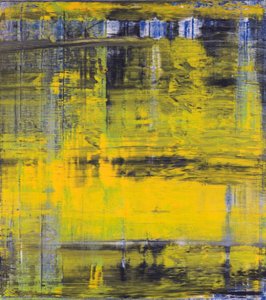
Gerhard Richter's “Juist,” painted in 2005, isn’t merely a depiction of an island; it’s a profound meditation on perception, memory, and the elusive nature of reality. This work, rendered in oil on canvas, embodies Richter’s signature style – a masterful blend of photographic precision and abstract expressionism – creating an image that is both familiar and unsettlingly ambiguous. The painting captures the stark beauty of Juist, one of the remote East Frisian islands off the coast of Germany, but through Richter's deliberate blurring, it transcends simple representation, inviting viewers to contemplate its emotional resonance rather than simply observe a landscape.
Richter’s technique is central to “Juist’s” power. He begins with a photograph – likely one taken during his travels – then meticulously transfers it onto the canvas. Crucially, he doesn't aim for photographic accuracy; instead, he employs a squeegee or similar tool to apply paint in broad, gestural strokes, deliberately blurring the image until it dissolves into a hazy wash of color and form. This process isn’t about erasing detail but rather about amplifying atmosphere and suggesting underlying structures. The horizontal division of the canvas – a sky-like upper section merging with a more grounded lower region – creates a subtle tension, hinting at the vastness of the sea and the solidity of the land. Notice how the colors are not sharply defined; instead, they bleed into one another, creating an almost ethereal quality.
“Juist” carries a potent symbolic weight. The island itself—a remote outpost in the North Sea—evokes feelings of isolation, solitude, and perhaps even melancholy. Its very name, “Juist,” suggests a connection to the past, hinting at centuries of maritime history and the rhythms of the sea. Richter’s blurring further reinforces this sense of ephemerality – suggesting that memory itself is fluid and unreliable. The indistinct forms could represent buildings, boats, or simply the shifting patterns of light and water, refusing to offer a definitive interpretation. It's as if Richter is capturing not just a place but also the feeling of being adrift in time and space.
Historical Context:**Richter’s work emerged during a period of significant social and political change in Germany. Following reunification, he explored themes of memory, identity, and the legacy of division. “Juist” can be seen as reflecting this broader context, grappling with questions of national history and the challenges of constructing a new sense of self.
Ultimately, "Juist" is an invitation to quiet contemplation. It doesn’t demand answers; it simply presents a scene imbued with atmosphere and emotion. The muted colors, the blurred forms, and the overall sense of ambiguity create a feeling of melancholy and longing—a subtle reminder of the beauty and fragility of the natural world. It's a painting that lingers in the mind long after you’ve viewed it, prompting reflection on our own perceptions and experiences. Its appeal lies not in its representational accuracy but in its ability to evoke a profound emotional response.
Further Research: For more information about Gerhard Richter and his work, consider visiting the official website or exploring resources such as the Metropolitan Museum of Art’s collection (link) and Wikipedia (link).

1932 - , Alemanha


Fique por dentro das últimas notícias de arte, ofertas exclusivas e ideias de decoração.
Conte-nos sobre o seu projeto e os nossos especialistas em arte fornecerão 3 sugestões de arte personalizadas.
Deixe que selecionamos 3 opções especialmente para você – Grátis!


 Visualizar em escala
 Enviar
 Compartilhar
 Ver detalhes

 Baixar
 Semelhantes
 Raio X
 Apresentação de slides
 Ver mais