x

Óleo sobre tela pintado à mão no seu tamanho e moldura, feito sob encomenda pelos nossos artistas. ( Ver impressão do pedido Baixar imagem em alta resolução)
Escolha entre os nossos tamanhos pré-definidos que respeitam as proporções originais da obra de arte.

Pode inserir as suas próprias dimensões para se adequar a uma moldura ou espaço específico. Se o tamanho selecionado não corresponder às proporções da imagem original, iremos cortar a obra de arte ou estender a pintura com elementos adicionais pintados à mão. Um esboço digital será enviado para sua aprovação antes do início da produção.
Tenha em atenção que a pré-visualização no ecrã não reflete o corte ou extensão real. Apenas o esboço mostrará com precisão a composição final.
Embora tamanhos personalizados estejam disponíveis, recomendamos selecionar uma dimensão da lista predefinida para preservar as proporções originais.
Entrega mundial () em 3 a 4 semanas, em vez das 5 semanas padrão. (9 Agosto). Sem comprometer a qualidade.


Landscape
Dimensões da Reprodução

Geza Bene (1900–1960) stands as a pivotal figure within the artistic landscape of Szentendre, representing a significant contribution to the evolution of Central European art in the early 20th century. Born in Ružomberok, Slovakia, Bene's life was marked by a profound dedication to his craft—a duality that shaped his distinctive visual language. His journey began with an extraordinary promise; as a mere ten-year-old, he received first prize in the Munich international children's drawing exhibition, signaling the arrival of a formidable talent. Educated in Ruttka and Igló, his formal training eventually led him to the National Art Academy in Budapest between 1921 and 1925, where he studied under the esteemed masters János Vaszary and Viktor Olgyai. This academic foundation provided him with both painterly and graphic inspirations that would serve as the bedrock of his lifelong exploration of form and light.
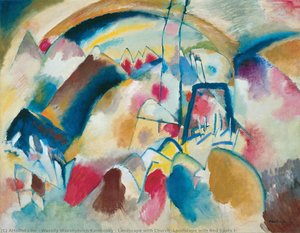
The evolution of Bene’s style is a captivating study in the transition from classical foundations to modern experimentation. In the latter half of the 1920s, his work often manifested as original Neo-Classicist still lifes and intimate interiors, characterized by a meticulous attention to composition. However, as his career progressed, the influence of the burgeoning Expressionist movement began to permeate his canvases. Drawing inspiration from the psychological depth of artists like Edvard Munch and the rhythmic energy of Wassily Kandinsky, Bene moved toward techniques that prioritized textural richness over mere representation. He became a master of impasto, applying paint in thick, palpable layers to capture the visceral experience of the natural world. This tactile approach allowed him to imbue his landscapes with a sense of movement and life, turning the canvas into a living, breathing entity.
As the decades unfolded, Bene’s artistic intentions underwent a profound transformation, moving away from figural compositions toward a more structured, geometric language. From the second half of the 1930s, a constructivist creative intention became increasingly intensive in his works. By the 1940s, his landscapes had evolved into predominantly constructivist compositions, where the organic shapes of nature were distilled into essential forms and rhythmic patterns. He emerged as one of the outstanding masters of the Szentendre Style Club, a movement that sought to harmonize modern abstraction with the local landscape. This period marked the pinnacle of his creative power, as he successfully merged the structural rigor of constructivism with the emotive, atmospheric qualities of the Slovakian and Hungarian countryside.
Bene’s professional achievements were as widespread as they were prestigious. His presence in the international art scene was marked by participation in significant exhibitions across Europe, including:
Beyond his technical prowess, Geza Bene’s historical significance lies in his ability to bridge the gap between tradition and modernity. His work serves as a bridge between the academic rigor of the Budapest Academy and the avant-garde spirit of the mid-20th century. Through his landscapes—featuring serene meadows, rolling hills, and misty forests—he captured not just the topography of his homeland, but the very soul of the landscape itself. Today, his legacy remains etched in the textures of his canvases, reminding us of a time when art was a profound dialogue between the eye, the hand, and the eternal rhythms of nature.

1900 - 1960 , Slovakia


Fique por dentro das últimas notícias de arte, ofertas exclusivas e ideias de decoração.
Conte-nos sobre o seu projeto e os nossos especialistas em arte fornecerão 3 sugestões de arte personalizadas.
Deixe que selecionamos 3 opções especialmente para você – Grátis!


 Visualizar em escala
 Enviar
 Compartilhar
 Ver detalhes

 Baixar
 Semelhantes
 Raio X
 Apresentação de slides
 Ver mais




































 A opção de vidro está disponível apenas para tamanhos inferiores a 110 cm