


x

Adquira uma imagem digital de alta resolução e aprimorada, muito superior à prévia online.
Cada arquivo é meticulosamente preparado por nossos especialistas internos, utilizando ferramentas avançadas e retoques manuais de alta precisão. Garantimos que cada imagem apresente clareza excepcional, fidelidade de cores e detalhes minuciosos.
O arquivo final é entregue por e-mail em até 72 horas, otimizado para uso imediato em ambientes profissionais, editoriais e de impressão. Esta é a mesma qualidade utilizada por estúdios de design de alto nível, editoras e galerias.
Baixe um arquivo de alta resolução para exibição pessoal, impressão e projetos criativos. ( Encomendar impressão Encomendar reprodução pintada à mão)
Ao escolher o Most-Famous-Paintings.com, você não está apenas adquirindo uma imagem — você está recebendo uma obra de arte digital profissionalmente aprimorada, elaborada com precisão e com garantia de satisfação. Aqui está tudo o que acompanha seu pedido, automaticamente:

O seu arquivo de imagem digital em alta resolução será enviado por e-mail em até 72 horas após o pedido — pronto para uso imediato.

Sua obra de arte é otimizada profissionalmente por meio de ferramentas avançadas de IA e edição manual, garantindo o máximo de detalhes, clareza e precisão de cores.

Apagou ou perdeu o seu ficheiro acidentalmente? Não se preocupe – nós reenviamos para si a qualquer momento, gratuitamente.

Desfrute da sua obra de arte instantaneamente, sem taxas alfandegárias, impostos ou custos de entrega — downloads digitais são sempre isentos de taxas.

Garantimos que sua imagem digital reflita as cores originais com a maior fidelidade possível, utilizando ferramentas profissionais e gerenciamento de cores.

Se você não estiver satisfeito com sua imagem digital, nós a revisaremos ou reembolsaremos 100% dentro de 60 dias — sem perguntas.

Não está satisfeito? Receba o reembolso total em até 60 dias após o recebimento do seu arquivo digital — sem perguntas.

Compre 3 imagens, economize 10% - Compre 5, economize 15% - Compre 10+, economize 20%. Ideal para projetos criativos, galerias e agências.
Giuseppe Arcimboldo's "Nature Studies," particularly the vibrant watercolor depicting a deer and an unidentified horned creature, are not merely charming botanical arrangements; they represent a profound engagement with the intellectual currents of 16th-century Europe. Born in Milan in 1527, Arcimboldo’s career blossomed within the opulent courts of Vienna and Prague, where he served as court painter to emperors Rudolf II and Maximilian II. His unique approach—constructing portraits entirely from meticulously assembled fruits, vegetables, flowers, and even books – defied conventional portraiture, offering a captivating blend of artistry, symbolism, and playful observation. These works weren’t simply decorative; they were carefully crafted allegories designed to resonate with the sophisticated minds of the Renaissance elite, reflecting their fascination with natural philosophy, classical mythology, and the burgeoning scientific exploration of the world.
The historical context surrounding Arcimboldo's work is crucial to understanding its significance. The late 16th century was a period of intense intellectual ferment, marked by the rediscovery of classical texts, advancements in astronomy and anatomy, and a growing interest in the natural sciences. Rudolf II, in particular, was an avid collector of curiosities – exotic animals, rare plants, and unusual objects – reflecting his patronage of the arts and sciences. Arcimboldo’s portraits were commissioned to entertain this discerning ruler, but they also served as visual representations of complex ideas about nature, power, and human identity. The careful selection of each element—the delicate antlers of the deer, the textured fur of the horned creature—was deliberate, imbued with symbolic meaning that spoke to the prevailing worldview of the time.
Arcimboldo’s mastery lies in his exquisite technique – a testament to his meticulous observation and artistic skill. The “Nature Studies” are executed primarily in watercolor on paper, a medium perfectly suited to capturing the delicate textures and subtle gradations of color found in natural forms. He employed a layering technique, building up washes of pigment to create depth and luminosity, mimicking the appearance of fur, wood grain, and foliage with remarkable accuracy. Fine lines define the intricate details of the antlers and the contours of the animals’ faces, while soft, blurred edges suggest the ephemeral nature of the subject matter. The muted earth tones—ochres, browns, greens, and creams—create a harmonious palette that evokes a sense of tranquility and natural beauty.
The artist's use of watercolor is particularly noteworthy for its ability to convey texture. He skillfully manipulated the pigment to simulate the rough bark of trees, the smooth surface of fruit skins, and the delicate petals of flowers. The slight variations in color and tone create a sense of depth and volume, drawing the viewer into the composition. The choice of paper itself—likely parchment—adds to the overall effect, lending a tactile quality to the artwork that invites close examination.
Each element within Arcimboldo’s “Nature Studies” carries symbolic weight. The deer, often associated with grace, nobility, and the hunt, represents strength and vitality. The unidentified horned creature, shrouded in shadow, evokes a sense of mystery and perhaps even danger – a reminder of the wildness that lies beneath the surface of civilization. The inclusion of books within the composition is particularly significant, referencing the humanist ideals of education and knowledge prevalent during the Renaissance. Arcimboldo’s portraits are not simply representations of animals; they are complex allegories that invite interpretation and contemplation.
Furthermore, the arrangement of these objects—the careful juxtaposition of disparate elements—creates a visual dialogue between nature and humanity. The deer's antlers intertwine with the books, suggesting a connection between the natural world and intellectual pursuits. The overall effect is one of harmonious integration, reflecting Arcimboldo’s belief in the interconnectedness of all things. It’s a subtle but powerful commentary on the Renaissance fascination with balance, harmony, and the pursuit of knowledge.
Despite their historical context, Arcimboldo's “Nature Studies” continue to resonate with viewers today. The whimsical nature of these portraits—the unexpected combination of familiar objects—evokes a sense of delight and wonder. They invite us to see the world in new ways, to appreciate the beauty and complexity of the natural world, and to question our assumptions about representation and reality. The artwork’s enduring appeal lies not only in its technical brilliance but also in its ability to capture a fleeting moment of harmony between humanity and nature—a sentiment that remains profoundly relevant in our increasingly complex and disconnected world.
Reproductions of these captivating works offer a unique opportunity to bring the artistry of Arcimboldo into your home or office. Whether you choose a large-scale canvas print or a smaller watercolor reproduction, you’ll be acquiring a piece of art history that celebrates the beauty, mystery, and enduring power of nature.

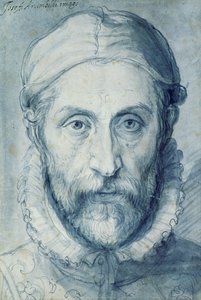
1527 - 1593 , Itália


Fique por dentro das últimas notícias de arte, ofertas exclusivas e ideias de decoração.
Conte-nos sobre o seu projeto e os nossos especialistas em arte fornecerão 3 sugestões de arte personalizadas.
Deixe que selecionamos 3 opções especialmente para você – Grátis!


 Visualizar em escala
 Enviar
 Compartilhar
 Ver detalhes

 Baixar
 Semelhantes
 Raio X
 Apresentação de slides

 Ver mais


