


x

 Oil On PanelRenaissance
 1573
1573 76.0 x 64.0 cm
 Museu do Louvre
Adquira uma imagem digital de alta resolução e aprimorada, muito superior à prévia online.
Cada arquivo é meticulosamente preparado por nossos especialistas internos, utilizando ferramentas avançadas e retoques manuais de alta precisão. Garantimos que cada imagem apresente clareza excepcional, fidelidade de cores e detalhes minuciosos.
O arquivo final é entregue por e-mail em até 72 horas, otimizado para uso imediato em ambientes profissionais, editoriais e de impressão. Esta é a mesma qualidade utilizada por estúdios de design de alto nível, editoras e galerias.
Baixe um arquivo de alta resolução para exibição pessoal, impressão e projetos criativos. ( Encomendar impressão Encomendar reprodução pintada à mão)
Ao escolher o Most-Famous-Paintings.com, você não está apenas adquirindo uma imagem — você está recebendo uma obra de arte digital profissionalmente aprimorada, elaborada com precisão e com garantia de satisfação. Aqui está tudo o que acompanha seu pedido, automaticamente:

O seu arquivo de imagem digital em alta resolução será enviado por e-mail em até 72 horas após o pedido — pronto para uso imediato.

Sua obra de arte é otimizada profissionalmente por meio de ferramentas avançadas de IA e edição manual, garantindo o máximo de detalhes, clareza e precisão de cores.

Apagou ou perdeu o seu ficheiro acidentalmente? Não se preocupe – nós reenviamos para si a qualquer momento, gratuitamente.

Desfrute da sua obra de arte instantaneamente, sem taxas alfandegárias, impostos ou custos de entrega — downloads digitais são sempre isentos de taxas.

Garantimos que sua imagem digital reflita as cores originais com a maior fidelidade possível, utilizando ferramentas profissionais e gerenciamento de cores.

Se você não estiver satisfeito com sua imagem digital, nós a revisaremos ou reembolsaremos 100% dentro de 60 dias — sem perguntas.

Não está satisfeito? Receba o reembolso total em até 60 dias após o recebimento do seu arquivo digital — sem perguntas.

Compre 3 imagens, economize 10% - Compre 5, economize 15% - Compre 10+, economize 20%. Ideal para projetos criativos, galerias e agências.
Giuseppe Arcimboldo’s “Summer,” painted in 1573, is not merely a portrait; it's an immersive allegory, a vibrant testament to the Renaissance fascination with nature, wealth, and the cyclical rhythms of life. This arresting image immediately captivates with its audacious composition: a figure, largely obscured by a dense profusion of fruits, vegetables, grains, and foliage, dominates the canvas. It’s a visual feast, a carefully constructed puzzle where each element—the blushing apples, the plump pears, the sturdy wheat stalks—contributes to a larger narrative of prosperity and fertility. The tight cropping, focusing intently on the upper torso and head, intensifies the impact, drawing the viewer into this extraordinary tableau.
Arcimboldo’s genius lies in his masterful manipulation of materials and technique. Executed in oil on wood panel, the painting showcases an astonishing level of detail. Lines delineate the contours of each fruit and vegetable with precision, while subtle shading and layering create a remarkable sense of texture – you can almost feel the rough skin of an onion or the yielding flesh of a peach. The lighting, emanating from a single, unseen source, casts delicate shadows that imbue the scene with depth and three-dimensionality, lending a tangible quality to this fantastical assemblage.
To understand “Summer,” one must consider the intellectual climate of 16th-century Italy. The Renaissance was a period of profound transformation, marked by a renewed interest in classical antiquity and a burgeoning spirit of humanism. Arcimboldo’s work reflects this shift, blending artistic skill with symbolic representation. The profusion of produce isn't simply decorative; it speaks to the importance of agriculture and harvest – vital elements of Renaissance society. The image directly aligns with the era’s preoccupation with themes of abundance, wealth, and the interconnectedness of humanity and nature. It’s a visual embodiment of the belief that earthly prosperity reflected divine favor.
Furthermore, Arcimboldo's work was often commissioned by powerful figures like Rudolf II, Holy Roman Emperor, who appreciated his ability to create complex allegories within seemingly simple portraits. The choice of fruits and vegetables held specific meanings – wheat symbolized fertility and abundance, grapes represented joy and celebration, while garlic signified protection and good health. The image functioned as a visual language, communicating ideas about power, status, and the natural order.
Beyond its historical context, “Summer” resonates with a powerful emotional depth. The obscured face of the figure creates an intriguing sense of mystery – who is this person? The overwhelming abundance can be interpreted as both celebratory and slightly unsettling, hinting at the potential excesses of wealth and power. The image evokes a feeling of being immersed in nature, surrounded by its bounty, yet simultaneously aware of the fleeting nature of beauty and the inevitability of decay.
Arcimboldo’s innovative approach to portraiture challenged conventional notions of representation, transforming the human form into an elaborate still life. “Summer” stands as a testament to his artistic vision—a captivating blend of realism, symbolism, and sheer visual inventiveness that continues to fascinate viewers centuries later. It's a work that invites contemplation, prompting us to consider the relationship between humanity, nature, and the enduring power of art.

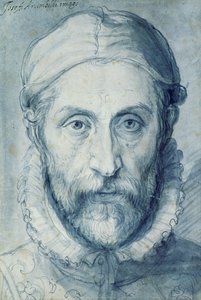
1527 - 1593 , Itália


Fique por dentro das últimas notícias de arte, ofertas exclusivas e ideias de decoração.
Conte-nos sobre o seu projeto e os nossos especialistas em arte fornecerão 3 sugestões de arte personalizadas.
Deixe que selecionamos 3 opções especialmente para você – Grátis!


 Visualizar em escala
 Enviar
 Compartilhar
 Ver detalhes

 Baixar
 Semelhantes
 Raio X
 Apresentação de slides
 Ver mais


