x

 Acrylic On CanvasWallArtRenaissance Mannerism
 1570
1570 53.0 x 41.0 cm
 Nationalmuseum
Óleo sobre tela pintado à mão no seu tamanho e moldura, feito sob encomenda pelos nossos artistas. ( Encomendar impressão Comprar imagem em alta resolução)





























Escolha entre os nossos tamanhos pré-definidos que respeitam as proporções originais da obra de arte.

Pode inserir as suas próprias dimensões para se adequar a uma moldura ou espaço específico. Se o tamanho selecionado não corresponder às proporções da imagem original, iremos cortar a obra de arte ou estender a pintura com elementos adicionais pintados à mão. Um esboço digital será enviado para sua aprovação antes do início da produção.
Tenha em atenção que a pré-visualização no ecrã não reflete o corte ou extensão real. Apenas o esboço mostrará com precisão a composição final.
Embora tamanhos personalizados estejam disponíveis, recomendamos selecionar uma dimensão da lista predefinida para preservar as proporções originais.
Entrega mundial () em 3 a 4 semanas, em vez das 5 semanas padrão. (20 Agosto). Sem comprometer a qualidade.


The Cook
Dimensões da Reprodução
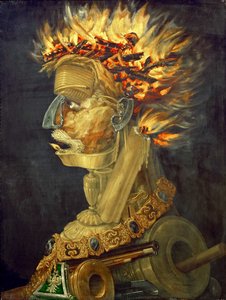
Giuseppe Arcimboldo's "The Cook," painted around 1570 and now residing in the Nationalmuseum of Stockholm, isn’t merely a still life; it’s a meticulously constructed illusion, a vibrant testament to the Renaissance fascination with metamorphosis and symbolic representation. More than just a depiction of roasted meats arranged within a human form, this painting is an invitation into a world where art transcends the boundaries of realism and embraces the power of suggestion.
At first glance, the image presents a somewhat grotesque, yet undeniably compelling, male head. However, a subtle shift in perspective – turning the canvas upside down – reveals a startling transformation: the figure’s eye becomes the watchful gaze of a chicken, the nose morphs into a plump turkey, and the mouth is framed by a generous helping of sausages. This ingenious visual trickery, known as pareidolia, immediately draws attention to Arcimboldo's masterful manipulation of form and his profound understanding of how viewers perceive images. The arrangement isn’t random; each element – the glistening cuts of meat, the vibrant vegetables, the carefully positioned fruits – contributes to a larger narrative, hinting at abundance, feasting, and perhaps even the fleeting nature of earthly pleasures.
Arcimboldo’s work emerged during a period of intense intellectual ferment in Europe. The Renaissance witnessed a renewed interest in classical antiquity, alongside burgeoning scientific inquiry and philosophical speculation. The concept of *memento mori* – the reminder of mortality – was prevalent, prompting artists to explore themes of transience and decay. Arcimboldo’s “The Cook” can be interpreted through this lens, with its emphasis on perishable goods serving as a poignant meditation on the ephemeral nature of life.
Furthermore, the painting reflects the lavish tastes and conspicuous consumption of the European courts during the late 16th century. Emperors Rudolf II and Maximilian I were renowned for their extravagant collections of exotic objects – animals, plants, minerals, and artworks – which served as symbols of power and prestige. Arcimboldo’s portraits, often commissioned by these rulers, cleverly incorporated elements from their personal collections, transforming everyday items into elaborate allegories.
Arcimboldo's technique was remarkably innovative for his time. He employed a meticulous layering of oil paint on panel, painstakingly arranging each object to create the illusion of depth and volume. The use of vibrant colors – rich reds, browns, yellows, and greens – further enhances the painting’s visual impact. Crucially, he didn't simply glue or attach objects; he painted them directly onto the surface, seamlessly integrating them into the overall composition.
The artist’s skill lies not only in his technical proficiency but also in his ability to manipulate perspective and create a convincing illusion of three-dimensionality. The careful positioning of each element – from the glistening cuts of meat to the delicate arrangement of fruits – contributes to the painting's overall sense of realism, despite its fantastical nature. It’s a testament to Arcimboldo’s artistic vision that he could transform disparate objects into a cohesive and compelling portrait.
"The Cook" transcends mere visual spectacle; it evokes a complex range of emotions. The painting's humor, combined with its subtle melancholy, invites viewers to contemplate the beauty and fragility of life. There’s an element of playful trickery, but also a deeper sense of reflection on mortality and the transient nature of earthly pleasures.
Arcimboldo’s work continues to fascinate audiences today, demonstrating his enduring artistic genius and his ability to create images that are both intellectually stimulating and emotionally resonant. Whether viewed as a whimsical portrait or a profound meditation on life and death, “The Cook” remains a captivating masterpiece of the Renaissance era.

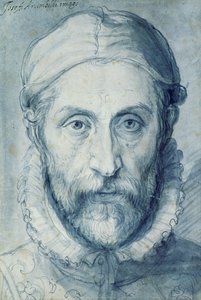
1527 - 1593 , Itália
Descubra como transformar menus em conceitos artísticos! Explore a inspiração da gastronomia e do design de interiores para criar ambientes únicos e experiências sensoriais memoráveis. Guia completo com especialistas.

Descubra como o design visual impacta o sabor e o apetite! Explore a psicologia da cor, a história da arte culinária e dicas de especialistas para criar experiências gastronômicas inesquecíveis. Guia completo para profissionais e amantes da gastronomia.
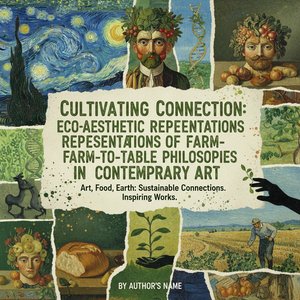
Explore a conexão entre arte contemporânea e a filosofia Farm-to-Table. Descubra obras que celebram a sustentabilidade, artistas inovadores e como integrar essa estética em sua coleção. Guia especializado da Most-Famous-Paintings.
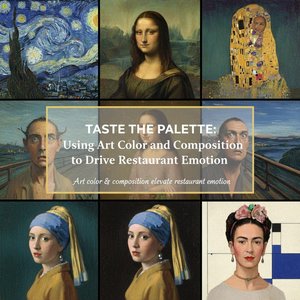
Descubra como a psicologia das cores e o design de pratos impactam a experiência culinária! Insights valiosos para restaurantes elevarem a satisfação do cliente e fortalecerem sua marca. Guia completo com exemplos e tendências.

Elevate your dining room with expertly curated art reproductions! Explore historical context, aesthetic considerations & modern applications for a captivating space. Discover the perfect artwork to inspire conversation and enhance every meal.


Fique por dentro das últimas notícias de arte, ofertas exclusivas e ideias de decoração.
Conte-nos sobre o seu projeto e os nossos especialistas em arte fornecerão 3 sugestões de arte personalizadas.
Deixe que selecionamos 3 opções especialmente para você – Grátis!


 Visualizar em escala
 Enviar
 Compartilhar
 Ver detalhes

 Baixar
 Semelhantes
 Raio X
 Apresentação de slides
 Ver mais







 A opção de vidro está disponível apenas para tamanhos inferiores a 110 cm