x

Impressão giclée ou em tela de qualidade de museu, com produção rápida e opções flexíveis de acabamento. ( Encomendar reprodução pintada à mão Comprar imagem em alta resolução)





























Escolha entre os nossos tamanhos pré-definidos que respeitam as proporções originais da obra de arte.

Você pode inserir suas próprias dimensões para se ajustar a uma moldura ou espaço específico. Se o tamanho selecionado não corresponder às proporções da imagem original, iremos recortar a obra de arte ou estender a imagem com uma borda espelhada ou preenchimento sólido. Um mockup digital será enviado para sua aprovação antes do início da produção.
Por favor, observe que a visualização na tela não reflete o recorte ou a extensão real. Apenas o mockup mostrará com precisão a composição final.
Embora tamanhos personalizados estejam disponíveis, recomendamos selecionar uma dimensão da lista predefinida para preservar as proporções originais.
Entrega mundial () em 2 semanas, em vez das 4/5 semanas padrão. (19 Agosto)


5.Palas Atenea
Dimensões da Reprodução
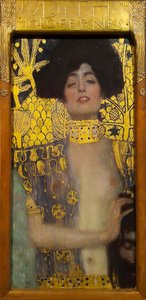
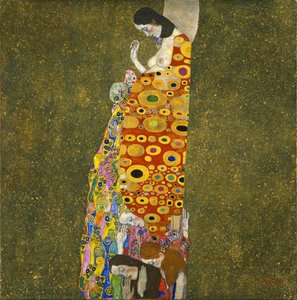
Gustav Klimt's "Pallas Athena" (1898) stands as a cornerstone of Viennese Art Nouveau and a testament to the Secession movement’s ambition for artistic renewal. More than just a portrait, it embodies profound symbolism—wisdom, courage, and strategic warfare—captured with breathtaking precision in oil on canvas.
The painting’s subject is Athena, the Greek goddess revered for her intellect and prowess in battle. Klimt skillfully blends Symbolism, Art Nouveau aesthetics, and decorative elements to create a visually arresting composition that transcends mere representation.
"Pallas Athena" exemplifies Klimt's signature “Golden Phase,” characterized by an opulent use of gold leaf—a deliberate choice reflecting the Secession’s desire for grandeur and elevating the artwork beyond conventional artistic standards. Unlike many of his other works that explore sensual themes, this portrait presents a figure of formidable dignity, prioritizing divine essence over erotic allure.
Klimt’s technique is masterful; he employs flattened perspectives—a stylistic hallmark—to draw attention to the intricate patterns and symbolic details woven throughout the canvas. The deliberate flatness emphasizes the decorative qualities of the artwork, mirroring the Secession’s rejection of academic realism.
The creation of “Pallas Athena” is inextricably linked to the Vienna Secession’s founding in 1897—a rebellion against artistic conservatism. Artists like Klimt sought to liberate art from restrictive conventions, embracing innovative styles and challenging societal norms.
Klimt served as president of the Secession, solidifying its commitment to experimentation and pushing boundaries. The painting debuted at the inaugural Secession exhibition held in 1898 within the newly constructed Secession Building designed by Joseph Maria Olbrich—a bold statement announcing the movement’s departure from established traditions.
The Secessionists consciously selected Athena as their emblem, aligning with their aspiration for artistic advancement. This goddess symbolized intellectual fortitude and creative brilliance—values central to the Secession’s vision of a revitalized cultural landscape.
"Pallas Athena" overflows with symbolic significance. Athena's assertive posture conveys unwavering strength and authority, underscored by her direct gaze—a deliberate choice intended to convey confidence and conviction.
Her armor and spear symbolize her martial prowess, highlighting her role as protector of Athens and embodying courage in the face of adversity. Klimt’s use of gold leaf isn't merely decorative; it represents divine radiance and symbolizes wisdom—the very core of Athena’s character.
The inclusion of a nude figure holding a mirror – representing Nuda Veritas – is particularly noteworthy. This element reinforces Klimt’s exploration of themes related to truth, vulnerability, and the human condition—concepts that resonate powerfully within the broader context of Art Nouveau’s fascination with psychology and emotion.
Ultimately, “Pallas Athena” transcends a simple depiction; it's an invitation to contemplate the enduring values of intellect, courage, and artistic expression—a masterpiece that continues to inspire awe and admiration centuries later.

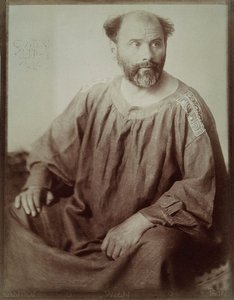
1862 - 1918 , Áustria

Explore the profound impact of the Vienna Secession movement. Discover how visionaries like Gustav Klimt revolutionized modern art through symbolism, gold leaf, and the concept of Gesamtkunstwerk in this expert-led historical guide.


Fique por dentro das últimas notícias de arte, ofertas exclusivas e ideias de decoração.
Conte-nos sobre o seu projeto e os nossos especialistas em arte fornecerão 3 sugestões de arte personalizadas.
Deixe que selecionamos 3 opções especialmente para você – Grátis!


 Visualizar em escala
 Enviar
 Compartilhar
 Ver detalhes

 Baixar
 Semelhantes
 Raio X
 Apresentação de slides
 Ver mais







 A opção de vidro está disponível apenas para tamanhos inferiores a 110 cm