x


 Preview
 Encomendar pintura Comprar imagem em alta resolução
 Enviar
 Detalhes da obra
 Adicionar aos favoritos
 Baixar
 Semelhantes
 Raio X
 Slideshow
Impressão giclée ou em tela de qualidade de museu, com produção rápida e opções flexíveis de acabamento.





























Escolha entre os nossos tamanhos pré-definidos que respeitam as proporções originais da obra de arte.

Você pode inserir suas próprias dimensões para se ajustar a uma moldura ou espaço específico. Se o tamanho selecionado não corresponder às proporções da imagem original, iremos recortar a obra de arte ou estender a imagem com uma borda espelhada ou preenchimento sólido. Um mockup digital será enviado para sua aprovação antes do início da produção.
Por favor, observe que a visualização na tela não reflete o recorte ou a extensão real. Apenas o mockup mostrará com precisão a composição final.
Embora tamanhos personalizados estejam disponíveis, recomendamos selecionar uma dimensão da lista predefinida para preservar as proporções originais.
Entrega mundial () em 2 semanas, em vez das 4/5 semanas padrão. (23 Julho)


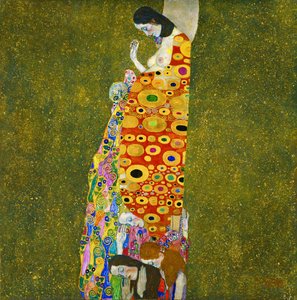
Orpheus and Eurydice
Dimensões da Reprodução
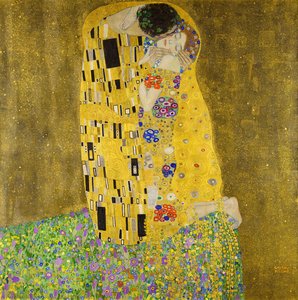
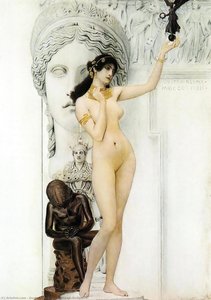
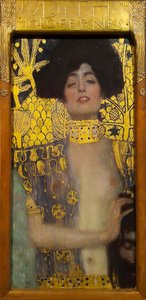
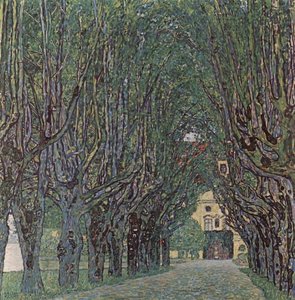
Gustav Klimt’s *Orpheus and Eurydice*, completed in 1885, stands as an emblem of the Viennese Secession’s fascination with Symbolism and its rejection of academic conventions. More than just a depiction of mythic figures—the legendary musician Orpheus and his beloved Eurydice—it's a profound meditation on love, loss, and the yearning for transcendence, rendered in Klimt’s signature opulent style.
The historical context surrounding the painting is crucial to understanding its significance. Vienna in 1885 was a hub of artistic innovation, fueled by intellectual currents questioning traditional values and embracing esoteric ideas. Klimt’s Secessionists sought to forge a new path for Austrian art, rejecting the conservative tastes of the Austro-Hungarian Empire.
Symbolism: Klimt infused *Orpheus and Eurydice* with rich symbolism. The golden leaf represents divine grace and immortality—a visual affirmation of hope amidst despair. Eurydice’s pale skin symbolizes purity and vulnerability, while Orpheus' lyre embodies artistic expression and the power to communicate emotions beyond words. The bird perched atop the composition serves as a reminder of resurrection and rebirth.
Emotional Impact: Viewing *Orpheus and Eurydice* evokes a palpable sense of melancholy beauty. Klimt’s masterful use of color—primarily gold, ivory, and muted blues—creates an atmosphere of solemn contemplation. The painting's delicate rendering captures the tender intimacy between Orpheus and Eurydice, conveying the profound sorrow associated with loss while simultaneously hinting at the possibility of reunion beyond earthly existence. It remains a testament to Klimt’s ability to transform myth into emotionally resonant art.
The Museo d’Arte Moderna Ca’ Pesaro in Venice houses a remarkable collection of Klimt's works, offering visitors an unparalleled opportunity to immerse themselves in his artistic vision. Furthermore, exploring the Croatian National Theatre Ivan pl. Zajc and Rijeka provides insight into how Klimt’s masterpiece was originally displayed—a poignant reminder of its enduring legacy.

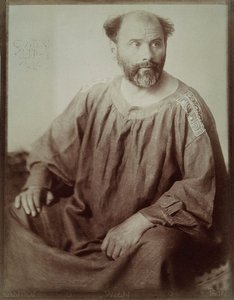
1862 - 1918 , Áustria
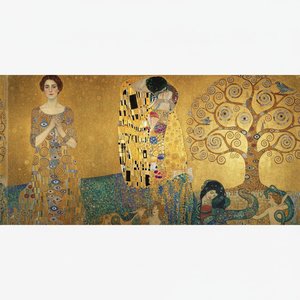
Descubra as 25 obras-primas de Gustav Klimt, ícone da Secession Vienense e do Art Nouveau. Explore a beleza dourada, o simbolismo e a paixão em cada pintura. Encontre reproduções de arte exclusivas para decorar sua casa com elegância na Most-Famous-Paintings.com!

Descubra as 10 obras-primas que moldaram a Art Nouveau! Explore a beleza floral de Mucha, o simbolismo de Klimt e a inovação de Gaudí. Encontre reproduções de arte exclusivas e inspire sua decoração em Most-Famous-Paintings.com.

Descubra as 25 obras-primas do Metropolitan Museum of Art em Nova York! Explore a história de Van Gogh, Monet e outros artistas renomados. Encontre reproduções de arte exclusivas para decorar sua casa com elegância. Most-Famous-Paintings.com – Sua fonte de inspiração artística.

Descubra os 10 quadros icônicos do Simbolismo! Explore a história de Klimt, Munch e Redon. Encontre reproduções de arte de alta qualidade para decorar sua casa com obras-primas atemporais. Explore a coleção completa em Most-Famous-Paintings.com.
Descubra os 25 tesouros da National Gallery of Art, Washington! Explore a história de Cézanne, Matisse, Picasso e outros mestres. Encontre reproduções de arte exclusivas para decorar sua casa com elegância. Inspire-se e explore a coleção completa em Most-Famous-Paintings.com.


Fique por dentro das últimas notícias de arte, ofertas exclusivas e ideias de decoração.
Conte-nos sobre o seu projeto e os nossos especialistas em arte fornecerão 3 sugestões de arte personalizadas.
Deixe-nos selecionar 3 opções especialmente para você – Grátis!


 Compartilhar


 Ver mais







 A opção de vidro está disponível apenas para tamanhos inferiores a 110 cm