x

Óleo sobre tela pintado à mão no seu tamanho e moldura, feito sob encomenda pelos nossos artistas. ( Encomendar impressão Comprar imagem em alta resolução)





























Escolha entre os nossos tamanhos pré-definidos que respeitam as proporções originais da obra de arte.

Pode inserir as suas próprias dimensões para se adequar a uma moldura ou espaço específico. Se o tamanho selecionado não corresponder às proporções da imagem original, iremos cortar a obra de arte ou estender a pintura com elementos adicionais pintados à mão. Um esboço digital será enviado para sua aprovação antes do início da produção.
Tenha em atenção que a pré-visualização no ecrã não reflete o corte ou extensão real. Apenas o esboço mostrará com precisão a composição final.
Embora tamanhos personalizados estejam disponíveis, recomendamos selecionar uma dimensão da lista predefinida para preservar as proporções originais.
Entrega mundial () em 3 a 4 semanas, em vez das 5 semanas padrão. (16 Agosto). Sem comprometer a qualidade.


Philosophy(study)
Dimensões da Reprodução
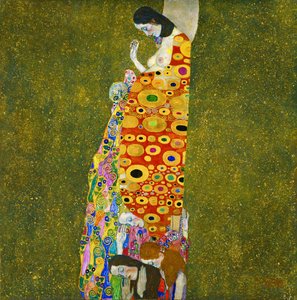
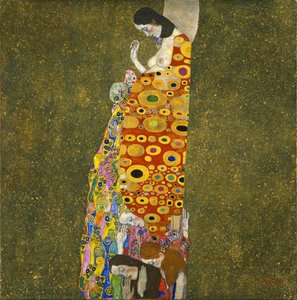
Gustav Klimt's "Philosophy," a preparatory study for the monumental ceiling painting of the same name in Vienna’s University, is far more than just a sketch; it’s a concentrated microcosm of the artist’s evolving Symbolist vision and a profound meditation on knowledge, mortality, and the human condition. This black-and-white image offers a tantalizing glimpse into Klimt's creative process – a chaotic yet meticulously rendered exploration of figures adrift in a swirling vortex of thought. The study itself is imbued with an immediate sense of urgency and intellectual intensity, hinting at the grander work it would eventually become.
The composition immediately commands attention. A central, almost ethereal figure dominates the upper portion, radiating a subtle halo – a potent symbol suggesting wisdom or perhaps even divine inspiration. Surrounding this core are a diverse array of individuals: some reclining in languid poses, others standing with contemplative gazes, and still others engaged in what appears to be animated discussion. The inclusion of two bicycles is an unexpected detail, injecting a note of modernity and challenging the viewer to consider how Klimt was grappling with the changing landscape of his era. These aren’t simply decorative elements; they could represent the tension between tradition and progress, or perhaps the fleeting nature of experience in a rapidly modernizing world.
Klimt's masterful use of charcoal and pencil is immediately apparent. The lines are not clean or precise; instead, they possess a raw energy, a sense of urgency captured through expressive gestural strokes. Varying line weights create a dynamic interplay of light and shadow, lending depth and volume to the figures while simultaneously contributing to the overall feeling of movement and disorientation. The texture is deliberately rough – a deliberate rejection of academic smoothness—reflecting the preliminary nature of the study but also hinting at Klimt’s desire to break free from traditional artistic constraints. The diffused lighting suggests a studio setting, emphasizing the intimacy of this creative exploration.
The flattened perspective, devoid of a clear vanishing point, further enhances the sense of unease and psychological depth. Rather than offering a realistic representation of space, Klimt prioritizes emotional impact. Overlapping forms create a complex visual tapestry, drawing the eye through the composition and inviting contemplation. The ambiguity of the scene encourages viewers to project their own interpretations onto the figures and their interactions – a hallmark of Symbolist art.
“Philosophy” is inextricably linked to Klimt’s involvement with the Vienna Secession, an avant-garde movement that challenged the conservative artistic establishment. The original ceiling painting, commissioned for the University of Vienna in 1900, was met with considerable controversy due to its unconventional imagery and perceived challenge to established academic thought. The study itself reflects this tension – a visual manifestation of Klimt’s willingness to push boundaries and engage with complex philosophical ideas.
Further research reveals that Klimt's work on the University ceiling paintings was deeply influenced by Schopenhauer’s philosophy, particularly his pessimistic view of human existence. The figures in “Philosophy” can be interpreted as representing different stages of life – from youthful exuberance to decay and oblivion – mirroring this philosophical framework. The inclusion of the sphinx-like figure at the center further reinforces this connection, suggesting a quest for ultimate knowledge or understanding amidst the chaos of the world. It’s a powerful statement about the limitations of human reason and the enduring mysteries of existence.
Most-Famous-Paintings is proud to offer meticulously hand-painted reproductions of Gustav Klimt’s “Philosophy,” capturing the artist’s unique style and emotional intensity. Each reproduction is created by skilled artists using archival-quality materials, ensuring that the colors and details faithfully reflect the original study. Whether you're an art enthusiast, a collector seeking a statement piece, or simply someone drawn to Klimt’s evocative imagery, our reproductions provide a beautiful and authentic way to experience this iconic work of art.

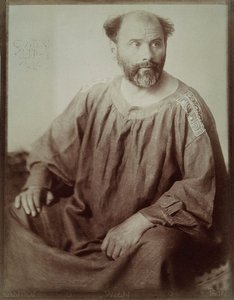
1862 - 1918 , Áustria

Explore the fascinating history of study and intellectual pursuit in Western art! Discover Renaissance scholars, iconic portraits like Holbein's Erasmus, and Leonardo’s studies – a journey through humanist ideals & artistic mastery. Learn more at Most-Famous-Paintings.

Explore the profound artistic significance of sketches throughout history. From Renaissance masters to modern innovators like Van Gogh & Guston, discover how these foundational works reveal technique, emotion, and vision. Learn more at Most-Famous-Paintings.

Descubra os 10 quadros icônicos do Simbolismo! Explore a história de Klimt, Munch e Redon. Encontre reproduções de arte de alta qualidade para decorar sua casa com obras-primas atemporais. Explore a coleção completa em Most-Famous-Paintings.com.

Descubra as 10 obras-primas em acrílico que revolucionaram a arte! Explore a história, técnica e emoção por trás de ícones do expressionismo abstrato, pop art e mais. Encontre reproduções de museu na Most-Famous-Paintings.com e inspire sua decoração.

Descubra as 10 obras-primas em acrílico que revolucionaram a arte! Explore a história de Helen Frankenthaler, Rothko e Warhol. Encontre reproduções de alta qualidade para decorar sua casa com estilo. Most-Famous-Paintings: Arte atemporal ao seu alcance.


Fique por dentro das últimas notícias de arte, ofertas exclusivas e ideias de decoração.
Conte-nos sobre o seu projeto e os nossos especialistas em arte fornecerão 3 sugestões de arte personalizadas.
Deixe que selecionamos 3 opções especialmente para você – Grátis!


 Visualizar em escala
 Enviar
 Compartilhar
 Ver detalhes

 Baixar
 Semelhantes
 Raio X
 Apresentação de slides

 Ver mais







 A opção de vidro está disponível apenas para tamanhos inferiores a 110 cm