x

Impressão giclée ou em tela de qualidade de museu, com produção rápida e opções flexíveis de acabamento. ( Encomendar reprodução pintada à mão Comprar imagem em alta resolução)





























Escolha entre os nossos tamanhos pré-definidos que respeitam as proporções originais da obra de arte.

Você pode inserir suas próprias dimensões para se ajustar a uma moldura ou espaço específico. Se o tamanho selecionado não corresponder às proporções da imagem original, iremos recortar a obra de arte ou estender a imagem com uma borda espelhada ou preenchimento sólido. Um mockup digital será enviado para sua aprovação antes do início da produção.
Por favor, observe que a visualização na tela não reflete o recorte ou a extensão real. Apenas o mockup mostrará com precisão a composição final.
Embora tamanhos personalizados estejam disponíveis, recomendamos selecionar uma dimensão da lista predefinida para preservar as proporções originais.
Entrega mundial () em 2 semanas, em vez das 4/5 semanas padrão. (19 Agosto)


Orphée
Dimensões da Reprodução
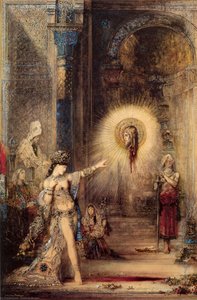
Gustave Moreau’s “Orphée,” a captivating black and white study, isn’t merely a depiction of the legendary musician; it’s an immersion into a realm of mythic resonance and profound psychological depth. Born in 1826 amidst the burgeoning Symbolist movement in Paris, Moreau rejected the prevailing Realism and Impressionism, instead dedicating his artistic life to unlocking the hidden narratives embedded within ancient myths and religious iconography. This particular work, lost to precise dating but undoubtedly created during his intensely productive period, exemplifies this approach – a deliberate departure from objective representation towards an exploration of subjective experience and spiritual yearning. The image presents a solitary figure, seemingly adrift amidst a grove of trees, holding aloft what could be interpreted as a staff or wand—a potent symbol suggesting divine authority or the power to shape reality itself. The composition draws the eye inward, creating a sense of both isolation and connection, inviting contemplation on themes of loss, redemption, and the enduring legacy of myth.
Moreau’s Symbolist style is immediately recognizable in “Orphée.” He eschews sharp detail for a hazy, almost dreamlike quality. The figures are rendered with an emphasis on line and texture rather than precise form, creating a sense of ethereal beauty and timelessness. The trees themselves aren't simply foliage; they possess a sculptural quality, their branches twisting and reaching like supplicating arms. This deliberate ambiguity is central to Moreau’s artistic vision. While the figure undeniably evokes Orpheus – his posture, the staff held aloft—the scene transcends a straightforward portrait. The surrounding grove hints at the underworld, a realm of shadows and memory, while the single light source suggests a divine presence or perhaps the lingering echo of Orpheus's music. The inclusion of elements reminiscent of classical sculpture, particularly in the figure’s stance and drapery, further anchors the work within a rich tradition of Western art history.
Moreau was renowned for his meticulous artistic process, often working on multiple versions of a single subject over decades. “Orphée” likely reflects this approach – a preliminary study or sketch that evolved through numerous iterations. The monochromatic palette—a deliberate choice—heightens the sense of mystery and drama, stripping away superficial details to focus on form, line, and texture. Notice the subtle gradations of tone, achieved through careful layering of charcoal and other drawing media. Moreau’s use of hatching and cross-hatching creates a remarkable illusion of volume and depth, transforming what could have been a static image into a dynamic space filled with implied movement. The artist's hand is clearly visible in the loose, expressive lines, conveying both control and spontaneity.
“Orphée” isn’t simply a depiction of a mythological figure; it’s an exploration of human longing and the power of art to transcend time. The solitary nature of the subject, his connection to the natural world, and the ambiguous symbolism all contribute to a profound sense of melancholy and introspection. Moreau's work resonated deeply with his contemporaries, who saw in it a reflection of their own anxieties about modernity and the loss of traditional values. His influence can be traced through the works of artists like Matisse and Rouault, demonstrating the enduring legacy of Symbolism as a movement that continues to inspire artists today. A reproduction of “Orphée” offers more than just a beautiful image; it provides a window into the complex inner world of one of 19th-century’s most visionary artists.

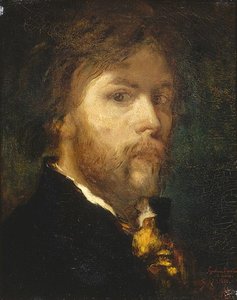
1826 - 1898 , França

Explore the profound beauty of Greek mythology through art history. From Baroque masterpieces to Renaissance classics, discover how gods and heroes have inspired the world's greatest painters in this expert guide for collectors and history lovers.

Explore the evocative world of Symbolist painting. Discover how masters like Gustave Moreau rejected realism to capture dreams, myths, and the subconscious through fine art history and expert analysis.


Fique por dentro das últimas notícias de arte, ofertas exclusivas e ideias de decoração.
Conte-nos sobre o seu projeto e os nossos especialistas em arte fornecerão 3 sugestões de arte personalizadas.
Deixe que selecionamos 3 opções especialmente para você – Grátis!


 Visualizar em escala
 Enviar
 Compartilhar
 Ver detalhes

 Baixar
 Semelhantes
 Raio X
 Apresentação de slides
 Ver mais







 A opção de vidro está disponível apenas para tamanhos inferiores a 110 cm