x

 Acrylic On CanvasWallArtFauvist Expressionism
 1902
1902 64.0 x 46.0 cm
Impressão giclée ou em tela de qualidade de museu, com produção rápida e opções flexíveis de acabamento. ( Encomendar reprodução pintada à mão Comprar imagem em alta resolução)





























Escolha entre os nossos tamanhos pré-definidos que respeitam as proporções originais da obra de arte.

Você pode inserir suas próprias dimensões para se ajustar a uma moldura ou espaço específico. Se o tamanho selecionado não corresponder às proporções da imagem original, iremos recortar a obra de arte ou estender a imagem com uma borda espelhada ou preenchimento sólido. Um mockup digital será enviado para sua aprovação antes do início da produção.
Por favor, observe que a visualização na tela não reflete o recorte ou a extensão real. Apenas o mockup mostrará com precisão a composição final.
Embora tamanhos personalizados estejam disponíveis, recomendamos selecionar uma dimensão da lista predefinida para preservar as proporções originais.
Entrega mundial () em 2 semanas, em vez das 4/5 semanas padrão. (20 Agosto)


Still Life
Dimensões da Reprodução
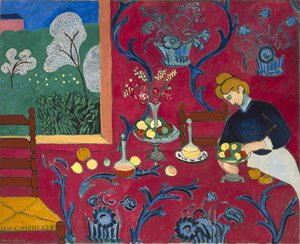
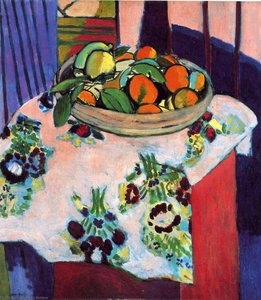
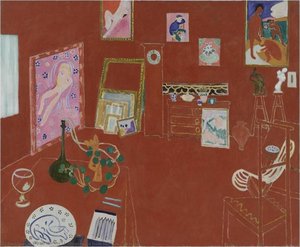
Henri Matisse’s “Still Life,” painted in 1902, stands as a cornerstone of the Fauvist movement—a radical departure from Impressionism that championed pure color and expressive brushstrokes above meticulous representation. This deceptively simple composition captures a moment of domestic tranquility: a table laden with earthenware bowls, cups, and vases overflowing with blossoms, alongside scattered apples offering textural contrast.
Matisse’s technique is instantly recognizable. Abandoning the subtle gradations of light and shadow favored by his predecessors, he applied pigment directly onto the canvas in bold, unmixed hues—primarily reds, yellows, and blues—creating a vibrant tapestry that assaults the senses with its intensity. This deliberate disregard for naturalistic color was intended to convey emotion rather than merely depict what the eye sees. As Matisse himself famously stated, “I want to paint what I see, not what I think.”
The painting’s genesis lies in a period of significant artistic experimentation. Following his convalescence from appendicitis, Matisse rediscovered painting as a passion and enrolled at the École Nationale des Beaux-Arts. Influenced by Cézanne's geometric simplification and Gauguin’s expressive use of color, he began to forge his own distinctive style—one that would soon propel him to international acclaim.
Beyond its visual dynamism, “Still Life” carries subtle symbolic weight. The flowers represent beauty and fragility, mirroring the fleeting nature of life itself. The apples symbolize ripeness and abundance, yet their scattered placement introduces an element of disorder—perhaps hinting at the complexities inherent in everyday existence. Matisse’s masterful control over color and form elevates this seemingly commonplace subject into a profound meditation on artistic expression.
"Still Life" isn't merely a visual spectacle; it evokes a feeling of warmth, serenity, and joy. The artist’s confident brushstrokes convey an unwavering belief in the transformative power of color—a conviction that continues to inspire artists and collectors alike. Reproductions of this iconic artwork offer a captivating glimpse into Matisse’s artistic vision and its enduring legacy.


1869 - 1954 , França

Explore the profound evolution of Post-Impressionist landscapes. From Van Gogh's emotional brushwork to Cézanne's structural mastery, discover how these visionaries redefined art history through color and form in this expert guide for fine art enthusiasts.

Explore the transformative era of Post-Impressionism. Discover how masters like Van Gogh moved beyond light to embrace emotion, structure, and vibrant color, redefining modern art history through expressive brushwork and symbolic depth.


Fique por dentro das últimas notícias de arte, ofertas exclusivas e ideias de decoração.
Conte-nos sobre o seu projeto e os nossos especialistas em arte fornecerão 3 sugestões de arte personalizadas.
Deixe que selecionamos 3 opções especialmente para você – Grátis!


 Visualizar em escala
 Enviar
 Compartilhar
 Ver detalhes

 Baixar
 Semelhantes
 Raio X
 Apresentação de slides
 Ver mais







 A opção de vidro está disponível apenas para tamanhos inferiores a 110 cm