


x
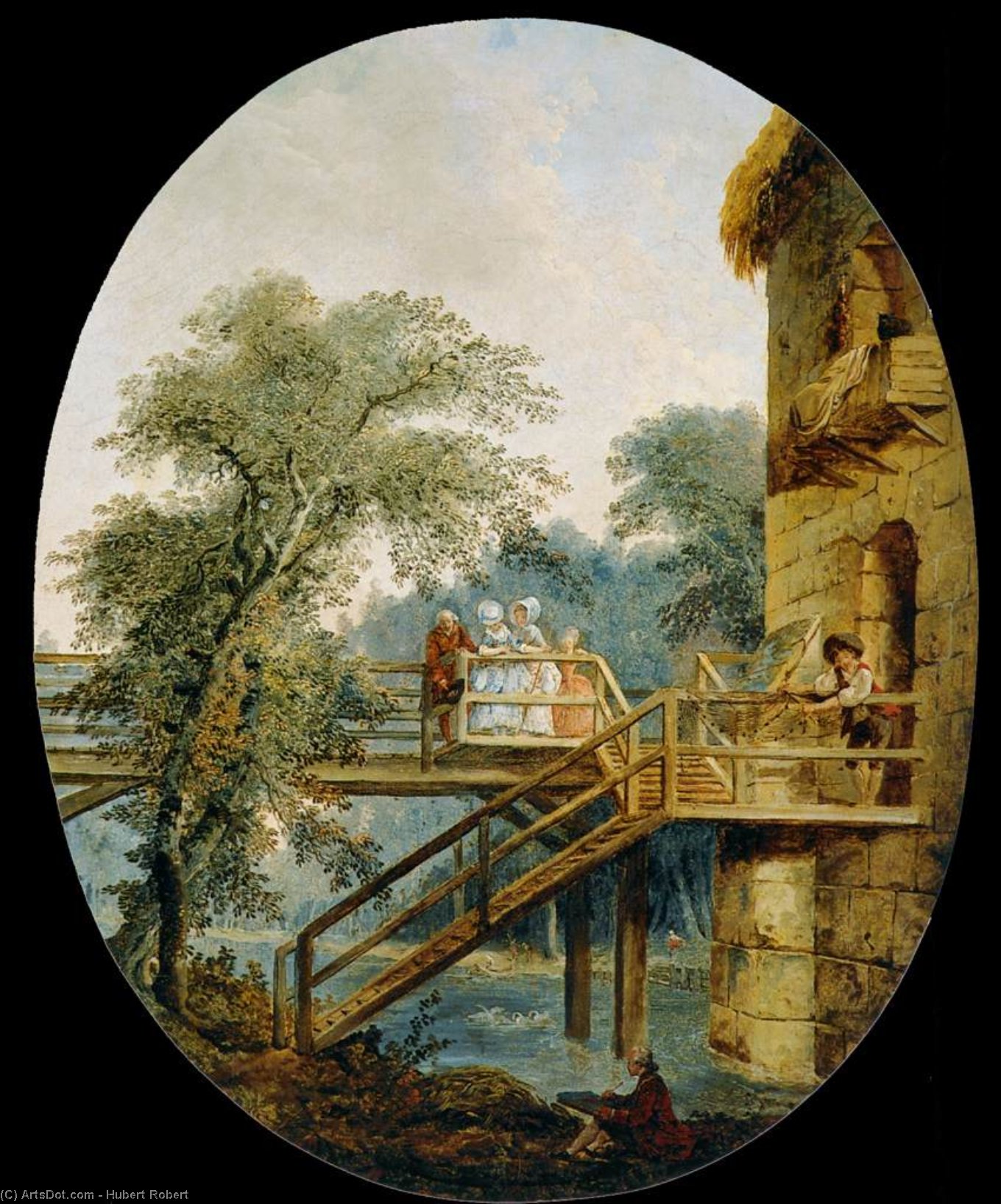
 Acrylic On CanvasWallArtRomanticism
 177519th Century
 59.0 x 47.0 cm
 Museo Thyssen-Bornemisza
Adquira uma imagem digital de alta resolução e aprimorada, muito superior à prévia online.
Cada arquivo é meticulosamente preparado por nossos especialistas internos, utilizando ferramentas avançadas e retoques manuais de alta precisão. Garantimos que cada imagem apresente clareza excepcional, fidelidade de cores e detalhes minuciosos.
O arquivo final é entregue por e-mail em até 72 horas, otimizado para uso imediato em ambientes profissionais, editoriais e de impressão. Esta é a mesma qualidade utilizada por estúdios de design de alto nível, editoras e galerias.
Baixe um arquivo de alta resolução para exibição pessoal, impressão e projetos criativos. ( Encomendar impressão Encomendar reprodução pintada à mão)
Ao escolher o Most-Famous-Paintings.com, você não está apenas adquirindo uma imagem — você está recebendo uma obra de arte digital profissionalmente aprimorada, elaborada com precisão e com garantia de satisfação. Aqui está tudo o que acompanha seu pedido, automaticamente:

O seu arquivo de imagem digital em alta resolução será enviado por e-mail em até 72 horas após o pedido — pronto para uso imediato.

Sua obra de arte é otimizada profissionalmente por meio de ferramentas avançadas de IA e edição manual, garantindo o máximo de detalhes, clareza e precisão de cores.

Apagou ou perdeu o seu ficheiro acidentalmente? Não se preocupe – nós reenviamos para si a qualquer momento, gratuitamente.

Desfrute da sua obra de arte instantaneamente, sem taxas alfandegárias, impostos ou custos de entrega — downloads digitais são sempre isentos de taxas.

Garantimos que sua imagem digital reflita as cores originais com a maior fidelidade possível, utilizando ferramentas profissionais e gerenciamento de cores.

Se você não estiver satisfeito com sua imagem digital, nós a revisaremos ou reembolsaremos 100% dentro de 60 dias — sem perguntas.

Não está satisfeito? Receba o reembolso total em até 60 dias após o recebimento do seu arquivo digital — sem perguntas.

Compre 3 imagens, economize 10% - Compre 5, economize 15% - Compre 10+, economize 20%. Ideal para projetos criativos, galerias e agências.
Hubert Robert's "The Footbridge," painted in 1775, isn’t merely a landscape; it’s a carefully constructed dreamscape—a poignant meditation on the passage of time, the allure of ruins, and the delicate balance between nature and human intervention. This captivating oval canvas, now housed within the Thyssen-Bornemisza Museum in Madrid, transports the viewer to a serene yet subtly melancholic world where ancient structures intertwine with the vibrant energy of a bustling scene. Robert, a master of “capriccio,” expertly blends observation with imagination, creating an atmosphere thick with romanticism and a profound sense of nostalgia.
The painting unfolds across a gently sloping hillside, dominated by the skeletal remains of a Roman bridge—a deliberate echo of the grandeur that once was. This isn’t a literal depiction of decay; rather, Robert transforms the ruins into symbols of enduring beauty and timelessness. The weathered stones, draped with ivy and moss, possess an almost ethereal quality, suggesting they are not merely crumbling remnants but portals to another era. The artist's skillful use of light and shadow further enhances this effect, bathing the scene in a soft, diffused glow that evokes the golden hour—a time when reality seems to soften and dreams take flight.
Robert’s fascination with ruins stemmed from his extended sojourn in Rome during the 1760s. Immersed in the city's ancient history, he meticulously sketched and studied the remnants of its imperial past—the Colosseum, the Forum, and countless other crumbling monuments. These observations profoundly shaped his artistic vision, leading him to develop a unique style characterized by an almost obsessive attention to detail and a masterful ability to evoke atmosphere. His technique is distinctly informed by Giovanni Battista Piranesi and Giovanni Paolo Panini, both Roman artists known for their depictions of architecture and ruins. Robert absorbed their techniques—particularly the use of perspective and light—and integrated them into his own distinctive style.
The painting’s composition is meticulously balanced, drawing the eye through a series of carefully orchestrated elements. The figures in the foreground – a man sketching with a small easel and a dog near a bench – are rendered with a delicate realism that contrasts subtly with the idealized beauty of the ruins. Robert employs a loose, expressive brushstroke—a hallmark of his style—to capture the textures of stone, foliage, and water. The color palette is restrained yet evocative, dominated by muted greens, blues, and browns, punctuated by flashes of vibrant color in the flowers and foliage. This careful orchestration creates a sense of harmony and tranquility, inviting the viewer to lose themselves in the scene’s timeless beauty.
Beyond its aesthetic appeal, “The Footbridge” is rich in symbolic meaning. The bridge itself represents connection—a link between past and present, reality and imagination. It also symbolizes transition and impermanence, mirroring the fleeting nature of human life and the inevitable decay of all things. The ruins, far from being symbols of despair, embody a sense of resilience and enduring beauty. They remind us that even in destruction, there is still grace and wonder to be found.
Robert’s painting taps into deep-seated emotions—a longing for the past, a fascination with the sublime, and a recognition of the transience of earthly existence. It evokes a sense of melancholy and nostalgia, yet also offers a glimmer of hope through its celebration of beauty and imagination. The scene invites contemplation on themes of memory, loss, and the enduring power of art to transcend time.
Hubert Robert’s “The Footbridge” stands as a quintessential example of 18th-century Romanticism—a movement that emphasized emotion, imagination, and the beauty of nature. His work profoundly influenced subsequent generations of artists, including Caspar David Friedrich and J.M.W. Turner, who continued to explore themes of ruins, landscapes, and the relationship between humanity and the natural world. Today, “The Footbridge” remains a beloved masterpiece—a testament to Robert’s artistic genius and his ability to capture the essence of beauty in a fleeting moment.


1733 - 1808 , França


Fique por dentro das últimas notícias de arte, ofertas exclusivas e ideias de decoração.
Conte-nos sobre o seu projeto e os nossos especialistas em arte fornecerão 3 sugestões de arte personalizadas.
Deixe que selecionamos 3 opções especialmente para você – Grátis!


 Visualizar em escala
 Enviar
 Compartilhar
 Ver detalhes

 Baixar
 Semelhantes
 Raio X
 Apresentação de slides
 Ver mais


