


x
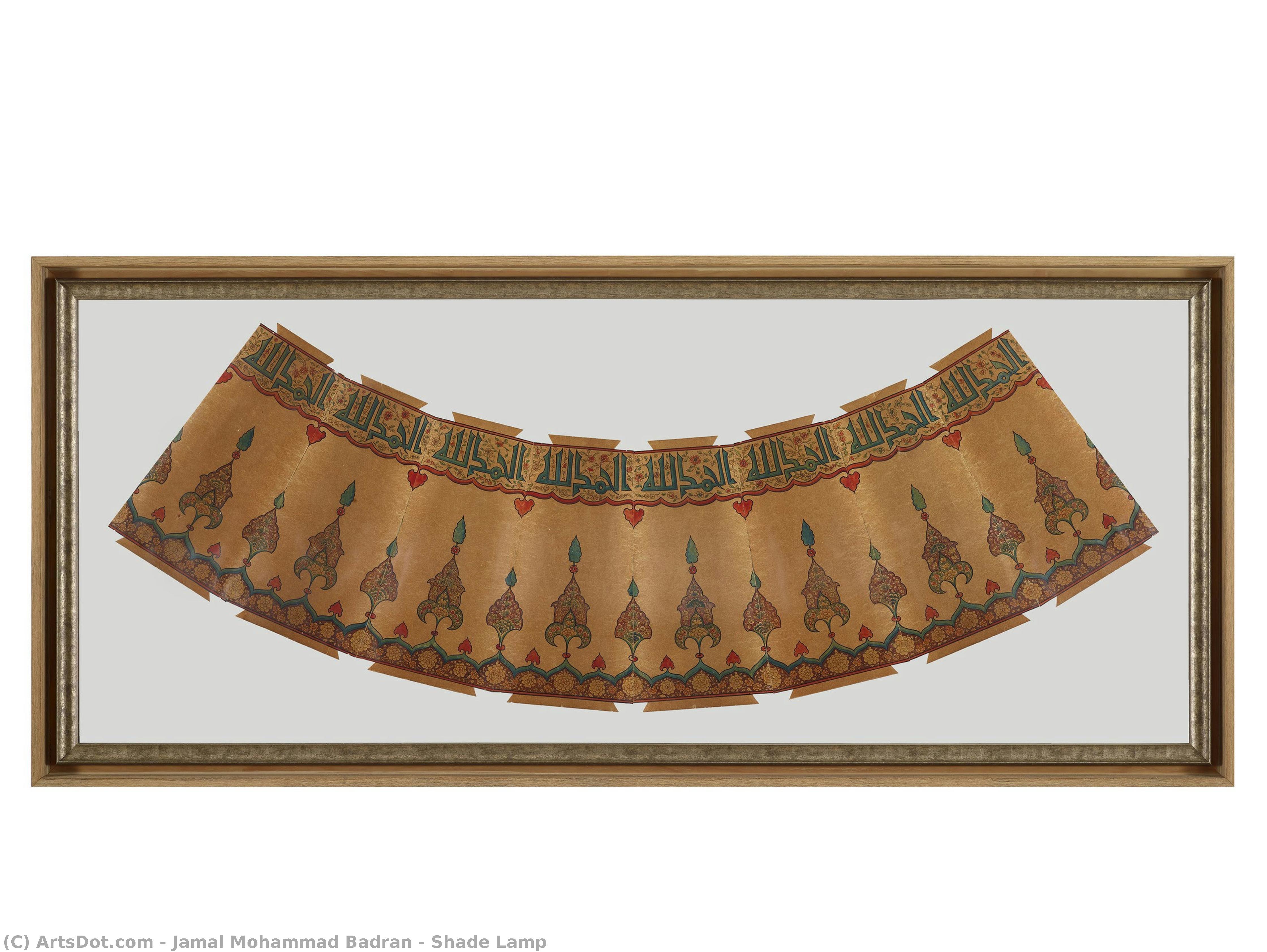
 1988
1988 70.0 x 193.0 cm
 The Ramzi and Saeda Dalloul Art Foundation
Adquira uma imagem digital de alta resolução e aprimorada, muito superior à prévia online.
Cada arquivo é meticulosamente preparado por nossos especialistas internos, utilizando ferramentas avançadas e retoques manuais de alta precisão. Garantimos que cada imagem apresente clareza excepcional, fidelidade de cores e detalhes minuciosos.
O arquivo final é entregue por e-mail em até 72 horas, otimizado para uso imediato em ambientes profissionais, editoriais e de impressão. Esta é a mesma qualidade utilizada por estúdios de design de alto nível, editoras e galerias.
Baixe um arquivo de alta resolução para exibição pessoal, impressão e projetos criativos. ( Encomendar impressão Encomendar reprodução pintada à mão)
Ao escolher o Most-Famous-Paintings.com, você não está apenas adquirindo uma imagem — você está recebendo uma obra de arte digital profissionalmente aprimorada, elaborada com precisão e com garantia de satisfação. Aqui está tudo o que acompanha seu pedido, automaticamente:

O seu arquivo de imagem digital em alta resolução será enviado por e-mail em até 72 horas após o pedido — pronto para uso imediato.

Sua obra de arte é otimizada profissionalmente por meio de ferramentas avançadas de IA e edição manual, garantindo o máximo de detalhes, clareza e precisão de cores.

Apagou ou perdeu o seu ficheiro acidentalmente? Não se preocupe – nós reenviamos para si a qualquer momento, gratuitamente.

Desfrute da sua obra de arte instantaneamente, sem taxas alfandegárias, impostos ou custos de entrega — downloads digitais são sempre isentos de taxas.

Garantimos que sua imagem digital reflita as cores originais com a maior fidelidade possível, utilizando ferramentas profissionais e gerenciamento de cores.

Se você não estiver satisfeito com sua imagem digital, nós a revisaremos ou reembolsaremos 100% dentro de 60 dias — sem perguntas.

Não está satisfeito? Receba o reembolso total em até 60 dias após o recebimento do seu arquivo digital — sem perguntas.

Compre 3 imagens, economize 10% - Compre 5, economize 15% - Compre 10+, economize 20%. Ideal para projetos criativos, galerias e agências.

Born in the vibrant coastal city of Haifa in 1909, Jamal Mohammad Badran emerged as one of the most profound visual voices of the twentieth century. His life was not merely a journey through time, but a dedicated pilgrimage toward the preservation and celebration of Arab-Islamic aesthetics. From his earliest years, Badran was immersed in an environment where art and spirituality were inextricably linked. He often recalled being captivated by the mahmal—the ceremonial palanquin that traveled from Damascus to Mecca—whose gold-embroidered silks and intricate textures ignited a lifelong passion for the decorative arts. This early fascination with the interplay of light, texture, and sacred geometry would become the cornerstone of his monumental career.
Badran’s artistic development was marked by an extraordinary academic rigor that bridged the traditions of the East with the technical mastery of the West. His education began in Cairo at the Hamzawi School, where he immersed himself in the classical foundations of Islamic art. Seeking to expand his repertoire, he later traveled to London to study at the Central College of Arts and Crafts. This period of intense training allowed him to master a diverse array of disciplines, including ceramics, metalwork, textile design, and bookbinding. By blending the disciplined rules of Arabic calligraphy with Western technical precision, Badran developed a unique language capable of expressing both the ancient soul of Palestine and the evolving modern world.
The true significance of Badran’s work lies in his role as a guardian of cultural memory. Perhaps his most heroic achievement occurred following the tragic arson of the Al-Aqsa Mosque and the Dome of the Rock in 1968. Tasked with the monumental responsibility of restoring these sacred sites, Badran led teams through years of arduous labor to recreate architectural decorations that had been lost to flame. His meticulous hand breathed life back into carved wood, ceramics, and the delicate Kufic calligraphy of the mosque's pulpit, or minbar. Through this work, he did more than repair structures; he restored a sense of continuity and identity to a people facing profound historical upheaval.
Beyond the grand scale of architectural restoration, Badran’s personal oeuvre remains a testament to the beauty of the applied arts. His mastery extended into various media, where he utilized:
Badran’s impact reached far beyond the borders of Palestine. As an educator commissioned by UNESCO, he traveled to Libya to teach art in Tripoli and Benghazi, spreading the principles of Islamic decorative arts across the Arab world. His studio and his classrooms became sanctuaries for a new generation of artists, where he instilled a deep respect for traditional rules while encouraging the technical innovation necessary for modern expression. Whether working on commissions for royal palaces or creating graphics for private homes, his hand was always guided by a sense of duty to his heritage.
When Jamal Mohammad Badran passed away in 1999, he left behind a legacy that is etched into the very stones of Jerusalem’s most sacred monuments and woven into the fabric of Middle Eastern art history. He remains a symbol of resilience—an artist who used the precision of his craft to mend the fractures of history, ensuring that the luminous beauty of Islamic ornamentation would continue to inspire generations to come.

1909 - 1999 , Palestine


Fique por dentro das últimas notícias de arte, ofertas exclusivas e ideias de decoração.
Conte-nos sobre o seu projeto e os nossos especialistas em arte fornecerão 3 sugestões de arte personalizadas.
Deixe que selecionamos 3 opções especialmente para você – Grátis!


 Visualizar em escala
 Enviar
 Compartilhar
 Ver detalhes

 Baixar
 Semelhantes
 Raio X
 Apresentação de slides
 Ver mais





