


x

 Oil On CanvasWallArtNorthern Renaissance
 1569
1569 158.0 x 215.0 cm
 National Gallery
Impressão giclée ou em tela de qualidade de museu, com produção rápida e opções flexíveis de acabamento. ( Comprar pintura feita à mão Comprar imagem)





























Escolha entre os nossos tamanhos pré-definidos que respeitam as proporções originais da obra de arte.

Você pode inserir suas próprias dimensões para se ajustar a uma moldura ou espaço específico. Se o tamanho selecionado não corresponder às proporções da imagem original, iremos recortar a obra de arte ou estender a imagem com uma borda espelhada ou preenchimento sólido. Um mockup digital será enviado para sua aprovação antes do início da produção.
Por favor, observe que a visualização na tela não reflete o recorte ou a extensão real. Apenas o mockup mostrará com precisão a composição final.
Embora tamanhos personalizados estejam disponíveis, recomendamos selecionar uma dimensão da lista predefinida para preservar as proporções originais.
Entrega mundial () em 2 semanas, em vez das 4/5 semanas padrão. (23 Agosto)


The Four Elements: Earth
Tamanho da Reprodução
Joachim Beuckelaer’s “The Four Elements: Earth,” painted in 1569, is more than just a still life; it's a meticulously crafted tableau vivant, offering a rare glimpse into the daily rhythms and symbolic preoccupations of early 16th-century Antwerp. This remarkable work, now housed at the National Gallery in London, stands as a pivotal piece in the development of both genre painting and the nascent field of still life art. Beuckelaer’s genius lies not merely in his technical skill – though that is undeniably impressive – but in his ability to elevate the commonplace, transforming everyday scenes into narratives brimming with subtle meaning.
The scene unfolds within a modestly sized domestic interior, dominated by an abundance of fruits and vegetables. A riot of color—deep reds of cherries and pomegranates, vibrant greens of leafy cabbages and leeks, sunny yellows of lemons and melons—assault the senses, creating a palpable feeling of richness and plenty. The composition is carefully balanced, drawing the eye across the table laden with provisions, towards the two women engaged in their tasks. These aren’t idealized figures; they are working women, their sleeves rolled up, faces flushed from exertion, suggesting a life rooted in labor and practicality. The inclusion of a cat curled contentedly amongst the produce adds an unexpected touch of domesticity and perhaps even hints at the element of water – a symbol often associated with feline grace and fluidity.
Beuckelaer’s work is deeply intertwined with the prevailing symbolic language of the era. The arrangement of the produce isn't arbitrary; each item carries a specific weight, contributing to the painting’s layered meaning. The sheer variety—a testament to the seasons and the region’s agricultural bounty—represents Earth in its most tangible form: sustenance, fertility, and the cycle of life. The presence of apples, scattered throughout the scene, is particularly noteworthy; they have long been associated with knowledge, temptation, and earthly delights – a subtle reminder of the balance between material prosperity and spiritual contemplation.
Crucially, “The Four Elements: Earth” isn’t presented in isolation. It belongs to a series of four paintings—Water, Air, and Fire—each depicting a different element alongside a biblical narrative. In this case, the background reveals the Flight into Egypt, with Mary and Joseph traversing a bridge, offering a visual counterpoint to the earthly abundance before us. This juxtaposition highlights a key theme in Beuckelaer’s work: the tension between the material world and the spiritual realm, a central concern for artists of the time grappling with religious upheaval and social change.
Executed in oil on wood panel, “The Four Elements: Earth” showcases Beuckelaer's mastery of *sfumato* – a subtle blurring of edges and colors that creates an atmospheric depth and lends the scene a remarkable sense of realism. The artist’s meticulous attention to detail is evident in every rendered leaf, every glistening droplet of moisture, and every carefully positioned fruit. The use of light is particularly effective, illuminating the table and casting soft shadows, drawing the viewer into the heart of the composition.
Painted during a period of significant political and religious instability in the Netherlands – the waning years of the Beeldenstorm (the iconoclastic movement of 1566) – “The Four Elements: Earth” reflects a shift away from purely religious subjects towards more secular themes. Beuckelaer’s market scenes, like this one, offered a way to celebrate the everyday realities of life while subtly engaging with broader cultural and theological concerns. The painting's popularity suggests a desire for beauty and comfort amidst uncertainty, a yearning for connection to the tangible world.
“The Four Elements: Earth” remains a captivating work of art, offering viewers a rich tapestry of visual and symbolic information. Its vibrant colors, meticulous detail, and subtle narrative invite contemplation on themes of abundance, labor, faith, and the enduring connection between humanity and the natural world. Whether viewed as a masterful example of genre painting or a poignant reflection of its historical context, this remarkable work continues to resonate with audiences today, serving as a testament to Joachim Beuckelaer’s artistic vision and his pivotal role in shaping the course of art history.


1533 - 1573 , Bélgica

Explore the rich history of still life painting with Most-Famous-Paintings. Discover Dutch Masters, decode vanitas symbolism & learn about collecting timeless art. Expert insights and museum-quality reproductions.

Explore the rich history & symbolism of still life painting with Most-Famous-Paintings. Discover masterpieces from the Dutch Golden Age, learn about vanitas art, and find expert guidance for collecting timeless artworks.

Explore the profound world of Clyfford Still's Abstract Expressionism with Most-Famous-Paintings. Discover his unique style, existential themes & investment potential. Expert analysis for discerning collectors.
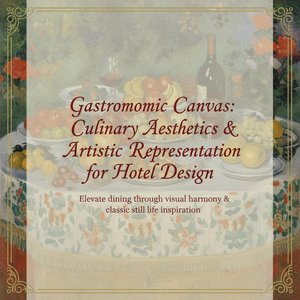
Descubra como transformar menus em conceitos artísticos! Explore a inspiração da gastronomia e do design de interiores para criar ambientes únicos e experiências sensoriais memoráveis. Guia completo com especialistas.

Explore the captivating world of Dutch Golden Age still life with Abraham van Beyeren. Discover his innovative techniques, symbolic banquet scenes & lasting influence on art history. Learn about collecting these masterpieces.


Fique por dentro das últimas notícias de arte, ofertas exclusivas e ideias de decoração.
Conte-nos sobre o seu projeto e os nossos especialistas em arte fornecerão 3 sugestões de arte personalizadas.
Deixe que selecionamos 3 opções especialmente para você – Grátis!


 Visualizar na parede
 Compartilhar
 Compartilhar
 Detalhes

 Baixar imagem
 Semelhantes
 Raio X
 Slideshow
 Ler mais







 A opção de vidro está disponível apenas para tamanhos inferiores a 110 cm


