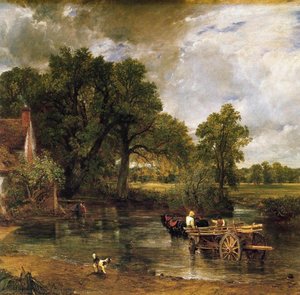
x


 Encomendar pintura Comprar imagem em alta resolução
 Enviar
 Detalhes da obra
 Adicionar aos favoritos
 Baixar
 Semelhantes
 Raio X
 Slideshow
 Acrylic On CanvasWallArtRomantic Landscape
 182219th Century
 37.0 x 49.0 cm
Impressão giclée ou em tela de qualidade de museu, com produção rápida e opções flexíveis de acabamento.





























Escolha entre os nossos tamanhos pré-definidos que respeitam as proporções originais da obra de arte.

Você pode inserir suas próprias dimensões para se ajustar a uma moldura ou espaço específico. Se o tamanho selecionado não corresponder às proporções da imagem original, iremos recortar a obra de arte ou estender a imagem com uma borda espelhada ou preenchimento sólido. Um mockup digital será enviado para sua aprovação antes do início da produção.
Por favor, observe que a visualização na tela não reflete o recorte ou a extensão real. Apenas o mockup mostrará com precisão a composição final.
Embora tamanhos personalizados estejam disponíveis, recomendamos selecionar uma dimensão da lista predefinida para preservar as proporções originais.
Entrega mundial () em 2 semanas, em vez das 4/5 semanas padrão. (18 Julho)


Cloud Study
Dimensões da Reprodução
John Constable's 'Cloud Study,' painted in 1822, is more than just a depiction of a sky; it’s an intimate meditation on the sublime power and fleeting beauty of nature. This evocative piece, measuring 37 x 49 cm, captures a quintessential English landscape moment – a gray, brooding sky pregnant with clouds, rendered with a remarkable sensitivity to light and atmosphere that would come to define Constable's legacy. The painting’s immediate impact lies in its mood: a quiet contemplation of the forces shaping the world around us, a feeling amplified by the subtle variations in tone and texture.
Constable’s connection to his subject matter is profoundly evident. Born in 1776 in East Bergholt, Suffolk, he was inextricably linked to the landscape of Dedham Vale, later immortalized as ‘The Hay Wain.’ This painting represents a crucial early study within that broader body of work, demonstrating Constable's meticulous observation and burgeoning understanding of light’s transformative effects. 'Cloud Study' aligns perfectly with the tenets of the Romantic movement, which prioritized emotional response to nature over purely rational representation. Unlike earlier landscape painters who sought idealized perfection, Constable embraced the irregularity and dynamism of the natural world, particularly its atmospheric phenomena – a fascination that would become central to his artistic practice.
Constable’s technique in ‘Cloud Study’ is characterized by loose, expressive brushstrokes. He employed a layering method, building up the image through multiple glazes of oil paint, allowing the colors to subtly blend and interact. This creates a remarkable sense of depth and luminosity, particularly evident in the way he captures the shifting forms of the clouds. The composition itself is deceptively simple – a vast expanse of sky punctuated by numerous cloud formations – yet Constable masterfully guides the viewer’s eye through the scene, using variations in tone and scale to create a powerful sense of space. The brownish-gray backdrop isn't merely a neutral color; it actively contributes to the painting's dramatic effect, intensifying the shadows and highlighting the brilliance of the clouds.
'Cloud Study’ transcends a simple topographical representation. The clouds themselves can be interpreted as symbols of change, transience, and perhaps even the sublime – that feeling of awe and terror inspired by the immensity of nature. Constable's ability to evoke such profound emotion through his depiction of a seemingly unremarkable scene is a testament to his artistic genius. This painting speaks to a deep human yearning for connection with the natural world, a desire to find solace and inspiration in its beauty and power. It’s a reminder that even in the simplest landscapes, there exists an infinite complexity waiting to be discovered.

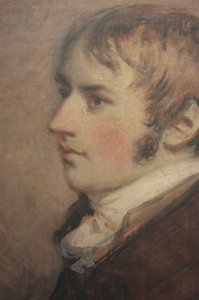
1776 - 1837 , Reino Unido
Descubra os 10 quadros mais famosos em tons de cinza, da sutileza de Monet ao expressionismo. Explore a história, técnica e emoção por trás de obras-primas atemporais. Encontre reproduções de alta qualidade na Most-Famous-Paintings.com!

Descubra os 10 quadros mais icônicos em tons de cinza Payne! Explore a história, artistas e técnicas por trás dessas obras-primas atemporais. Encontre reproduções de alta qualidade para transformar sua decoração com Most-Famous-Paintings.com.

Explore the serene landscapes of John Varley I, a key figure in British Romanticism. Discover his unique watercolour style, collaboration with William Blake & lasting artistic legacy. Learn about collecting Varley's work.

Descubra os 10 quadros mais emblemáticos da Paisagem Romântica! Explore a história de Turner, Friedrich e outros mestres. Encontre reproduções de arte exclusivas para inspirar sua decoração em Most-Famous-Paintings.com.

Descubra as 10 pinturas mais icônicas em tons de cinza escuro! Explore a história, artistas como Van Gogh e Monet, e o poder da arte clássica. Encontre reproduções de museu e ideias de decoração exclusivas na Most-Famous-Paintings.com.


Fique por dentro das últimas notícias de arte, ofertas exclusivas e ideias de decoração.
Conte-nos sobre o seu projeto e os nossos especialistas em arte fornecerão 3 sugestões de arte personalizadas.
Deixe-nos selecionar 3 opções especialmente para você – Grátis!


 Compartilhar

 Ver mais







 A opção de vidro está disponível apenas para tamanhos inferiores a 110 cm