x

 Symbolism
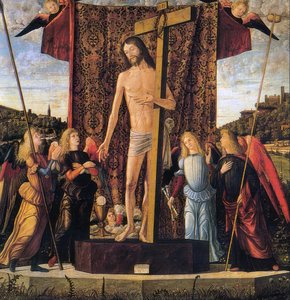
 1899
1899 51.0 x 41.0 cm
 National Gallery - Alexandros Soutzos Museum
Óleo sobre tela pintado à mão no seu tamanho e moldura, feito sob encomenda pelos nossos artistas. ( Encomendar impressão Comprar imagem em alta resolução)
Escolha entre os nossos tamanhos pré-definidos que respeitam as proporções originais da obra de arte.

Pode inserir as suas próprias dimensões para se adequar a uma moldura ou espaço específico. Se o tamanho selecionado não corresponder às proporções da imagem original, iremos cortar a obra de arte ou estender a pintura com elementos adicionais pintados à mão. Um esboço digital será enviado para sua aprovação antes do início da produção.
Tenha em atenção que a pré-visualização no ecrã não reflete o corte ou extensão real. Apenas o esboço mostrará com precisão a composição final.
Embora tamanhos personalizados estejam disponíveis, recomendamos selecionar uma dimensão da lista predefinida para preservar as proporções originais.
Entrega mundial () em 3 a 4 semanas, em vez das 5 semanas padrão. (15 Agosto). Sem comprometer a qualidade.


Self-Portrait
Dimensões da Reprodução

Konstantinos Parthenis stands as a pivotal figure in the tapestry of modern art history, embodying a profound bridge between the weight of classical tradition and the burgeoning spirit of artistic experimentation. Born in 1878 amidst the vibrant, multicultural atmosphere of Alexandria, Egypt, his early life was shaped by a complex landscape where Ottoman influences met European intellectual currents. This unique upbringing provided him with a panoramic view of the world, allowing him to absorb diverse cultural aesthetics long before he established himself as a master of the canvas. His journey is one of constant synthesis, a lifelong endeavor to harmonize the ancient echoes of Hellenistic vision with the fleeting, light-drenched techniques of the modern era.
The foundations of his mastery were laid through rigorous training and exposure to the great masters of his time. Under the guidance of renowned figures such as Nikolaos Dimitriou and Yannis Moralis, Parthenis developed a deep reverence for the structural integrity of iconography and the timelessness of Egyptian art traditions. However, he was not content to remain anchored solely in the past. He looked toward the horizon of Europe, embracing the revolutionary light of Impressionism and the emotive textures of Post-Impressionism. This duality became the hallmark of his style; his brushstrokes possessed an expressive vitality that captured the ephemeral essence of human experience, while his color palettes remained luminous, often imbued with a spiritual, almost sacred, quality.
As his career progressed, Parthenis’s artistic identity underwent a fascinating evolution, particularly through his deep engagement with the cultural landscapes he encountered. His work became a vessel for documenting the soul of various traditions, most notably seen in his profound connection to the revival of folk art. He possessed a rare, humanist ability to look at the rural and the traditional not as relics of a bygone era, but as living, breathing components of a modern identity. Through meticulous paintings and drawings, he captured the dignity of everyday life, transforming simple subjects into monumental studies of cultural heritage.
His technical development was marked by an unwavering dedication to capturing the sublime grandeur of nature and the subtle nuances of human emotion. In his landscapes, one finds an atmospheric depth that transcends mere representation; the air itself seems to vibrate with light and shadow, a testament to his ability to manipulate medium and texture. His portraits, too, are much more than likenesses; they are psychological explorations that utilize classical proportions to convey deep, symbolic truths. This mastery allowed him to navigate various themes, from the religious and the iconographic to the deeply personal and the portraiture-driven, always maintaining a cohesive sense of purpose.
The historical significance of Konstantinos Parthenis lies in his ability to act as a cultural mediator. He did not merely paint; he preserved and reinterpreted. His life’s work serves as a vital record of the transition from the classical certainties of the 19th century to the fragmented, expressive complexities of the 20th century. By blending the spiritual weight of religious themes with the experimental freedom of modern techniques, he created a visual language that was both ancient and avant-garde.
Today, his legacy is celebrated for its profound emotional resonance and its contribution to the preservation of cultural identity. His achievements can be summarized through several key artistic pillars:
Through his evocative works, Parthenis continues to invite viewers into a world where the past is never truly gone, but rather reimagined through a lens of eternal beauty and light.

1878 - 1967 , Egypt


Fique por dentro das últimas notícias de arte, ofertas exclusivas e ideias de decoração.
Conte-nos sobre o seu projeto e os nossos especialistas em arte fornecerão 3 sugestões de arte personalizadas.
Deixe que selecionamos 3 opções especialmente para você – Grátis!


 Visualizar em escala
 Enviar
 Compartilhar
 Ver detalhes

 Baixar
 Semelhantes
 Raio X
 Apresentação de slides
 Ver mais




































 A opção de vidro está disponível apenas para tamanhos inferiores a 110 cm