x

 Acrylic On CanvasWallArtDadaism
 1925
1925 44.0 x 36.0 cm
 MoMA - Museu de Arte Moderna
Adquira uma imagem digital de alta resolução e aprimorada, muito superior à prévia online.
Cada arquivo é meticulosamente preparado por nossos especialistas internos, utilizando ferramentas avançadas e retoques manuais de alta precisão. Garantimos que cada imagem apresente clareza excepcional, fidelidade de cores e detalhes minuciosos.
O arquivo final é entregue por e-mail em até 72 horas, otimizado para uso imediato em ambientes profissionais, editoriais e de impressão. Esta é a mesma qualidade utilizada por estúdios de design de alto nível, editoras e galerias.
Baixe um arquivo de alta resolução para exibição pessoal, impressão e projetos criativos. ( Encomendar impressão Encomendar reprodução pintada à mão)
Ao escolher o Most-Famous-Paintings.com, você não está apenas adquirindo uma imagem — você está recebendo uma obra de arte digital profissionalmente aprimorada, elaborada com precisão e com garantia de satisfação. Aqui está tudo o que acompanha seu pedido, automaticamente:

O seu arquivo de imagem digital em alta resolução será enviado por e-mail em até 72 horas após o pedido — pronto para uso imediato.

Sua obra de arte é otimizada profissionalmente por meio de ferramentas avançadas de IA e edição manual, garantindo o máximo de detalhes, clareza e precisão de cores.

Apagou ou perdeu o seu ficheiro acidentalmente? Não se preocupe – nós reenviamos para si a qualquer momento, gratuitamente.

Desfrute da sua obra de arte instantaneamente, sem taxas alfandegárias, impostos ou custos de entrega — downloads digitais são sempre isentos de taxas.

Garantimos que sua imagem digital reflita as cores originais com a maior fidelidade possível, utilizando ferramentas profissionais e gerenciamento de cores.

Se você não estiver satisfeito com sua imagem digital, nós a revisaremos ou reembolsaremos 100% dentro de 60 dias — sem perguntas.

Não está satisfeito? Receba o reembolso total em até 60 dias após o recebimento do seu arquivo digital — sem perguntas.

Compre 3 imagens, economize 10% - Compre 5, economize 15% - Compre 10+, economize 20%. Ideal para projetos criativos, galerias e agências.
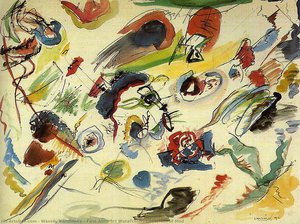
Kurt Schwitters’ “Elikan,” created in 1925, stands as a cornerstone of Dadaism and embodies the movement's radical rejection of traditional artistic conventions. More than just an assemblage of found objects—paper scraps, cardboard fragments, painted surfaces—it represents a profound exploration of chance, materiality, and the disintegration of established order amidst the turbulent aftermath of World War I.
Schwitters’ approach to art was fundamentally altered by the devastation wrought upon Europe. Disillusioned with academic formalism, he sought new methods of expression that mirrored the fractured reality surrounding him. Influenced heavily by Cubist collage techniques—specifically those pioneered by Pablo Picasso and Georges Braque—he adopted a strategy of constructing images from disparate elements, prioritizing spontaneity over meticulous planning.
The artwork itself is dominated by geometric forms: rectangles, squares, and triangles intersect and overlap, creating a dynamic visual landscape. Color plays an integral role, utilizing shades of blue, yellow, red, black, and white—a palette deliberately chosen to convey both emotional intensity and intellectual complexity. The textures vary considerably; some areas boast the rough surface of cardboard, while others display the smooth sheen of painted paper, highlighting Schwitters’ masterful manipulation of materials.
“Elikan,” like many of Schwitters’ Merz Pictures, eschews narrative storytelling in favor of a purely visual experience. Instead, it invites contemplation on concepts of fragmentation and reconstitution—themes central to Dada's critique of bourgeois values and its embrace of irrationality. The piece isn’t merely decorative; it’s a deliberate provocation, urging viewers to confront the instability inherent in modern existence.
Its impact extends beyond its formal qualities. Schwitters’ work anticipates later developments in installation art and conceptual art, demonstrating an unwavering commitment to exploring new possibilities for artistic expression. “Elikan” continues to resonate with audiences today as a testament to the enduring power of Dada's rebellious spirit—a celebration of imperfection and a refusal to accept dogma.
Schwitters’ fascination with the accidental nature of creation is palpable in every element of “Elikan.” The seemingly random arrangement of shapes and colors reflects his belief that art should emerge from unexpected encounters between disparate materials and ideas. This ethos aligns perfectly with Dada's manifesto, which proclaimed "Nothing is beautiful but what is accidental."
The photograph accompanying this description reveals subtle signs of wear—creases and slight discoloration—suggesting that it originates from an older source. However, this patina serves only to underscore the artwork’s historical significance and its enduring presence within the canon of modern art.


1887 - 1948


Fique por dentro das últimas notícias de arte, ofertas exclusivas e ideias de decoração.
Conte-nos sobre o seu projeto e os nossos especialistas em arte fornecerão 3 sugestões de arte personalizadas.
Deixe que selecionamos 3 opções especialmente para você – Grátis!


 Visualizar em escala
 Enviar
 Compartilhar
 Ver detalhes

 Baixar
 Semelhantes
 Raio X
 Apresentação de slides
 Ver mais