
Lista de desejos Carrinho de compras Cart
Visualizar na paredeVisualizar na parede Ver em RAVer em RA Comprar impressão Comprar impressãoComprar pintura feita à mão Comprar pintura feita à mão CompartilharCompartilhar
DetalhesDetalhes Adicionar aos favoritos Adicionar aos favoritos Baixar imagemBaixar imagem SemelhantesSemelhantes Raio XRaio X SlideshowSlideshow

Turk Playing a Harp

Explore Melchior Lorck’s ‘Turk Playing a Harp’ (1576). A stunning Mannerist engraving showcasing intricate detail, dramatic foreshortening & Eastern influence. Discover Renaissance art.

Melchior Lorck (1526/27-1583): Renaissance painter & printmaker renowned for his detailed visual record of 16th-century Turkish life and customs. First Danish artist with a reconstructable biography, known for portraits, engravings & topographic draw

Adquira uma imagem digital de alta resolução e aprimorada, muito superior à prévia online.

Cada arquivo é meticulosamente preparado por nossos especialistas internos, utilizando ferramentas avançadas e retoques manuais de alta precisão. Garantimos que cada imagem apresente clareza excepcional, fidelidade de cores e detalhes minuciosos.

O arquivo final é entregue por e-mail em até 72 horas, otimizado para uso imediato em ambientes profissionais, editoriais e de impressão. Esta é a mesma qualidade utilizada por estúdios de design de alto nível, editoras e galerias.

Imagem Digital

Baixe um arquivo de alta resolução para exibição pessoal, impressão e projetos criativos. (Comprar impressão Comprar impressãoComprar pintura feita à mão Comprar pintura feita à mão)

Preço Total

$ 24,90

Incluído em cada compra de imagem digital

Entrega Digital Especializada e Garantida

Ao escolher o Most-Famous-Paintings.com, você não está apenas adquirindo uma imagem — você está recebendo uma obra de arte digital profissionalmente aprimorada, elaborada com precisão e com garantia de satisfação. Aqui está tudo o que acompanha seu pedido, automaticamente:

shipping_icon
Entrega rápida por e-mail

O seu arquivo de imagem digital em alta resolução será enviado por e-mail em até 72 horas após o pedido — pronto para uso imediato.

canvas_icon
Arquivo Digital com IA Otimizado

Sua obra de arte é otimizada profissionalmente por meio de ferramentas avançadas de IA e edição manual, garantindo o máximo de detalhes, clareza e precisão de cores.

insurance_icon
Reenvio gratuito vitalício

Apagou ou perdeu o seu ficheiro acidentalmente? Não se preocupe – nós reenviamos para si a qualquer momento, gratuitamente.

tax_icon
Sem Taxas de Importação - Sempre

Desfrute da sua obra de arte instantaneamente, sem taxas alfandegárias, impostos ou custos de entrega — downloads digitais são sempre isentos de taxas.

color_icon
Garantia de Fidelidade de Cores

Garantimos que sua imagem digital reflita as cores originais com a maior fidelidade possível, utilizando ferramentas profissionais e gerenciamento de cores.

return_icon
Garantia de Satisfação de 60 Dias

Se você não estiver satisfeito com sua imagem digital, nós a revisaremos ou reembolsaremos 100% dentro de 60 dias — sem perguntas.

guarantee_icon
Garantia de Reembolso 100%

Não está satisfeito? Receba o reembolso total em até 60 dias após o recebimento do seu arquivo digital — sem perguntas.

discount_icon
Descontos para pedidos em lote

Compre 3 imagens, economize 10% - Compre 5, economize 15% - Compre 10+, economize 20%. Ideal para projetos criativos, galerias e agências.

Informações Rápidas

  • Location: Private Collection
  • Artistic style: Dramatic
  • Influences:
    • Heinrich Aldegrever
    • Albrecht Dürer
  • Artist: Melchior Lorck
  • Notable elements or techniques: Detailed foreshortening, Crosshatching
  • Title: Turk Playing a Harp
  • Year: 1576

Quiz de Arte

Cada pergunta possui apenas uma resposta correta.

Pergunta 1:
What artistic style is predominantly evident in Melchior Lorck’s ‘Turk Playing a Harp’?
Pergunta 2:
The engraving utilizes a technique known for creating tonal variations and depth. What is this technique?
Pergunta 3:
What symbolic significance does the harp hold within the artwork?
Pergunta 4:
Lorck’s journey to Constantinople was part of an embassy aimed at furthering diplomatic relations between Denmark and the Ottoman Empire. What was a primary goal of this mission?
Pergunta 5:
Lorck’s engravings are notable for their meticulous detail. Which artistic medium is particularly suited to achieving this level of realism?

Descrição do Colecionável

A Window into Ottoman Splendor: Melchior Lorck’s ‘Turk Playing a Harp’

Melchior Lorck's “Turk Playing a Harp” (1576) stands as an exceptional testament to Renaissance artistic innovation intertwined with the burgeoning fascination for the Ottoman Empire. More than just a depiction of musical performance, this Mannerist engraving offers a meticulously crafted visual narrative that captures the spirit of its time—a period marked by diplomatic missions and scholarly exploration into distant cultures. Produced during Lorck’s formative years as a Danish artist venturing beyond Northern Europe, it exemplifies his mastery of printmaking technique and his unwavering commitment to capturing detail with remarkable accuracy.

Style and Technique: Mannerist Drama

Lorck's stylistic choices firmly situate “Turk Playing a Harp” within the Mannerist movement—a reaction against the idealized beauty of High Renaissance art. Characterized by elongated figures, exaggerated poses, and dramatic foreshortening, the engraving prioritizes expressive gesture over anatomical precision. The artist employs a masterful use of hatching and crosshatching to achieve tonal variations that imbue the image with depth and luminosity despite its monochrome palette. These techniques skillfully convey texture—the velvety drape of the curtain, the intricate surface of the harp’s ornamentation, and the polished sheen of the vase—creating an illusion of realism that transcends the limitations of engraving. The artist's meticulous attention to perspective subtly enhances the dramatic impact of the scene.

Historical Context: Embassies and Eastern Observation

The engraving emerged from a pivotal moment in European history: the Imperial embassy led by Ogier Gheselin Busbecq to Constantinople (modern Istanbul) under Sultan Suleiman the Magnificent. This diplomatic expedition aimed to foster relations between Christendom and Islam, yet it also fueled an unprecedented influx of knowledge about Ottoman culture and customs into Europe. Lorck’s artistic endeavors were profoundly influenced by this context; he sought to document the grandeur and complexity of the Ottoman court with unflinching realism. The harp itself serves as a potent symbol—representing music, artistry, and perhaps a longing for exotic lands—reflecting the broader intellectual currents of the era.

Symbolism: Harmony and Contemplation

Beyond its technical brilliance and historical significance, “Turk Playing a Harp” resonates with deeper symbolic meanings. The solitary figure of the Turk embodies contemplation and dedication to his craft, mirroring the humanist ideals prevalent during Lorck’s time. The harp's intricate design speaks to the pursuit of beauty and artistic excellence—a core concern of Mannerist artists who rejected simplistic representations in favor of emotionally charged compositions. Furthermore, the dark curtain serves as a visual barrier, emphasizing the subject’s isolation and inviting viewers to contemplate the profound stillness of the scene.

Emotional Impact: A Moment Frozen in Time

Lorck's engraving transcends mere representation; it evokes a palpable sense of solemnity and wonder. The artist skillfully captures the psychological state of his subject—a man absorbed in his musical performance—creating an image that invites viewers to pause and consider the beauty of artistic expression amidst the grandeur of Ottoman culture. “Turk Playing a Harp” remains a captivating masterpiece, offering a glimpse into a bygone era and demonstrating Lorck’s unparalleled ability to translate observation into enduring visual art.

Biografia do Artista

Melchior Lorck: A Life Bridging Renaissance Art and Ottoman Encounters

  • Born: Flensburg, Germany (1526/27)
  • Died: Copenhagen, Denmark (1583)
  • Nationality: Danish-German
  • Known For: Renaissance painter, draughtsman, and printmaker; detailed visual record of 16th-century Turkey.

Early Life and Training

  • Born in Flensburg, Schleswig (present-day Germany), Lorck came from a family with ties to the Reformation movement.
  • Around 1549, he received a four-year travel stipend from King Christian III of Denmark, enabling him to study art across Europe.
  • Early training likely involved apprenticeship with a goldsmith in Lübeck.
  • During his travels, Lorck demonstrated early artistic skill, producing engravings influenced by artists like Heinrich Aldegrever and paying homage to Albrecht Dürer.

The Ottoman Experience: A Unique Visual Record

  • In 1555, Lorck joined the Imperial embassy led by Ogier Gheselin Busbecq to the court of Sultan Suleiman the Magnificent in Constantinople (Istanbul).
  • This pivotal experience shaped his career and legacy. He spent approximately one and a half years within the Ottoman capital.
  • Lorck meticulously documented Turkish life, customs, architecture, military practices, and portraits of key figures like Sultan Suleiman and Isma'il, the Persian envoy.
  • His drawings and engravings provide an unparalleled visual record of 16th-century Ottoman society, a unique source for historians and art scholars.
  • Notable works from this period include the monumental "Prospect of Constantinople," a detailed panoramic view of the city, and the series of prints known as “The Turkish Publication.”

Artistic Style and Influences

  • Lorck's style reflects the influence of the Northern Renaissance, particularly German masters like Dürer.
  • His work demonstrates a keen observational skill and attention to detail, evident in his precise renderings of architecture, costumes, and portraits.
  • He skillfully employed engraving techniques, creating intricate and expressive prints.
  • Lorck's topographic drawings, such as the "Prospect of Constantinople," foreshadowed later developments in landscape art and cartography.

Later Career and Legacy

  • After returning to Europe in 1559, Lorck worked in Vienna, producing engravings of antique monuments and portraits.
  • He served briefly as a cartographer for the Hamburg city council, creating a large-scale map of the Elbe River.
  • Lorck's "Turkish Publication," though not published during his lifetime, was eventually released in 1626, showcasing his extensive documentation of Ottoman life.
  • He is considered the first Danish artist with a substantial biography and body of work attributable to him.
  • His detailed visual record of Turkey remains invaluable for understanding 16th-century Ottoman culture and represents a significant contribution to Renaissance art and cartography. He is recognized as a precursor to later traveling artists and visual reporters.
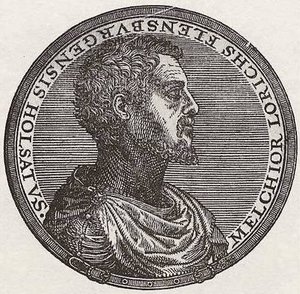
Melchior Lorck

Melchior Lorck

1527 - 1564 , Germany

Breve Biografia

  • Artistic Movement Or Style: Renaissance
  • Artists Or Movements Influenced By This Artist:
    • Wenzel Hollar
    • Cornelis de Bruijn
  • Artists Who Influenced This Artist:
    • Heinrich Aldegrever
    • Albrecht Dürer
  • Date Of Birth: 1526/27
  • Date Of Death: 1583
  • Full Name: Melchior Lorck
  • Nationality: Danish-German
  • Notable Artworks:
    • Constantinople Prospect
    • The Turkish Publication
  • Place Of Birth: Flensburg, Germany

