x

 Oil On CanvasWallArtEarly Netherlandish Painting
 1467Renaissance
 221.0 x 161.0 cm
 Museu Nacional de Gdańsk
Impressão giclée ou em tela de qualidade de museu, com produção rápida e opções flexíveis de acabamento. ( Encomendar reprodução pintada à mão Comprar imagem em alta resolução)





























Escolha entre os nossos tamanhos pré-definidos que respeitam as proporções originais da obra de arte.

Você pode inserir suas próprias dimensões para se ajustar a uma moldura ou espaço específico. Se o tamanho selecionado não corresponder às proporções da imagem original, iremos recortar a obra de arte ou estender a imagem com uma borda espelhada ou preenchimento sólido. Um mockup digital será enviado para sua aprovação antes do início da produção.
Por favor, observe que a visualização na tela não reflete o recorte ou a extensão real. Apenas o mockup mostrará com precisão a composição final.
Embora tamanhos personalizados estejam disponíveis, recomendamos selecionar uma dimensão da lista predefinida para preservar as proporções originais.
Entrega mundial () em 2 semanas, em vez das 4/5 semanas padrão. (15 Agosto)


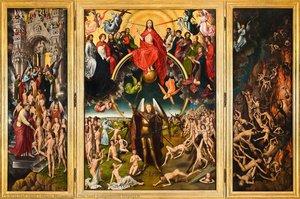
Last Judgment Triptych (open)
Dimensões da Reprodução
The Last Judgment Triptych by Hans Memling, completed in 1467, is more than just a religious painting; it’s a meticulously crafted meditation on mortality, judgment, and the enduring power of faith. Measuring 221 x 161 cm, this triptych offers an immersive experience into the heart of Early Netherlandish art – a style renowned for its startling realism, profound spiritual depth, and the almost sculptural quality of its figures. Created during Memling’s peak period in Bruges, the painting exemplifies his mastery of detail and his ability to evoke powerful emotional responses from the viewer.
The Last Judgment was a central theme in medieval Christian art, representing the day of reckoning when all souls would be judged by God. Memling’s triptych meticulously depicts this event, rich with symbolic meaning. The presence of objects like the clock – a reminder of the fleeting nature of time – and the book – symbolizing divine law – underscores the urgency of the moment. The diverse group of figures represents humanity in its entirety, reflecting the universality of judgment. Note the inclusion of angels, representing divine grace and mercy, alongside demons, embodying sin and damnation.
Created in Bruges during the Burgundian period, this triptych reflects the city’s status as a major European center for art and commerce. Bruges was a hub for wealthy patrons – merchants and nobles – who commissioned works like this one, fueling the artistic innovation of artists such as Memling. The painting speaks to the anxieties and beliefs of a society grappling with religious upheaval and the constant awareness of mortality. It’s a testament to the enduring power of faith in a world facing uncertainty.
The Last Judgment Triptych continues to resonate with viewers today, not just for its technical brilliance but also for its profound emotional impact. Memling’s ability to capture the vulnerability and despair of human souls is truly remarkable. The painting forces us to confront our own mortality and consider the consequences of our actions. It's a work that demands contemplation and invites reflection on the fundamental questions of life, death, and judgment – a timeless masterpiece that transcends its historical context.

Alemanha

Descubra os 10 quadros que revolucionaram a Pintura Primitiva Flamenga! Explore Jan van Eyck, Rogier van der Weyden e outros mestres renascentistas. Encontre reproduções de alta qualidade para decorar sua casa com arte atemporal em Most-Famous-Paintings.com.

Explore the captivating world of Early Netherlandish painting! Discover Jan van Eyck, Hans Memling & more. Uncover symbolism, techniques & the legacy of these Flemish masters. A comprehensive guide for art enthusiasts.

Descubra as 10 obras-primas do Renascimento Primitivo Flamenco! Explore a arte de Jan van Eyck, Robert Campin e outros mestres. Reproduções de alta qualidade para decorar sua casa com beleza e história. Explore a coleção completa em Most-Famous-Paintings.com

Explore the captivating world of Early Netherlandish painting (15th-16th centuries). Discover Jan van Eyck, Hans Memling & more. Uncover revolutionary techniques and hidden symbolism in this definitive guide.
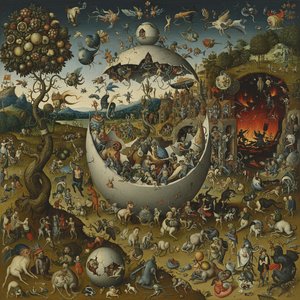
Descubra as 25 obras-primas de Hieronymus Bosch, o mestre da fantasia medieval. Explore a simbologia, história e cores vibrantes de pinturas como 'Jardim das Delícias Terrenas'. Encontre reproduções de arte exclusivas para decorar sua casa com Most-Famous-Paintings.com!


Fique por dentro das últimas notícias de arte, ofertas exclusivas e ideias de decoração.
Conte-nos sobre o seu projeto e os nossos especialistas em arte fornecerão 3 sugestões de arte personalizadas.
Deixe que selecionamos 3 opções especialmente para você – Grátis!


 Visualizar em escala
 Enviar
 Compartilhar
 Ver detalhes

 Baixar
 Semelhantes
 Raio X
 Apresentação de slides
 Ver mais







 A opção de vidro está disponível apenas para tamanhos inferiores a 110 cm