x

Impressão giclée ou em tela de qualidade de museu, com produção rápida e opções flexíveis de acabamento. ( Encomendar reprodução pintada à mão Comprar imagem em alta resolução)





























Escolha entre os nossos tamanhos pré-definidos que respeitam as proporções originais da obra de arte.

Você pode inserir suas próprias dimensões para se ajustar a uma moldura ou espaço específico. Se o tamanho selecionado não corresponder às proporções da imagem original, iremos recortar a obra de arte ou estender a imagem com uma borda espelhada ou preenchimento sólido. Um mockup digital será enviado para sua aprovação antes do início da produção.
Por favor, observe que a visualização na tela não reflete o recorte ou a extensão real. Apenas o mockup mostrará com precisão a composição final.
Embora tamanhos personalizados estejam disponíveis, recomendamos selecionar uma dimensão da lista predefinida para preservar as proporções originais.
Entrega mundial () em 2 semanas, em vez das 4/5 semanas padrão. (14 Agosto)


untitled (2863)
Dimensões da Reprodução
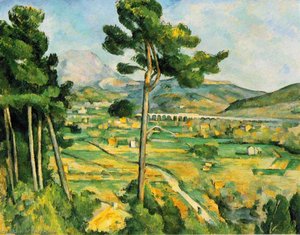
Paul Cézanne, a name synonymous with the dawn of modern art, often explored landscapes and still lifes that quietly revolutionized painting. However, nestled within his extensive oeuvre is a powerfully emotive work – currently known only as “untitled (2863)” – depicting a scene of childbirth. This painting, while lacking specific documentation regarding its creation or intended audience, offers a raw and intimate glimpse into the human experience, rendered with Cézanne’s signature blend of observation and formal innovation. The composition immediately draws the viewer into a private moment: a woman lies upon a bed, her posture suggesting the culmination of labor. The presence of three other figures – two standing observers and one seated attendant holding a bowl, perhaps for sustenance or cleansing – creates a sense of both support and voyeurism. The inclusion of everyday objects like an orange and banana on the left side, alongside a bottle near the center, grounds the scene in domestic reality, contrasting sharply with the monumental event unfolding.
To understand this painting within Cézanne’s broader artistic journey is to appreciate his complex relationship with art history. Born into a relatively prosperous family in Aix-en-Provence, he initially pursued legal studies before dedicating himself fully to painting. His early work was influenced by Romanticism and the Barbizon school, but it was his engagement with Impressionism – and subsequent departure from its fleeting effects – that truly defined his path. While “untitled (2863)” doesn’t exhibit the broken brushstrokes typically associated with Impressionism, it shares a commitment to capturing a specific moment in time. However, Cézanne moves beyond mere visual impression; he is concerned with underlying structure and form. The figures aren't idealized or romanticized as they might have been in earlier historical paintings of similar subjects. Instead, they are rendered with a deliberate solidity, foreshadowing the geometric explorations that would become central to Cubism. The painting’s muted yet vibrant color palette, characteristic of Cézanne’s mature style, further enhances this sense of grounded realism.
The symbolism within “untitled (2863)” is subtle but potent. Birth, universally recognized as a symbol of renewal and life's cyclical nature, is presented not with celebratory grandeur, but with an unflinching honesty. The fruit – the orange and banana – could be interpreted as symbols of fertility and nourishment, while the bowl held by the attendant suggests care and support. However, Cézanne avoids overt symbolism, allowing the emotional weight of the scene to emerge from the raw depiction of human vulnerability. The painting doesn’t offer easy answers or sentimental comfort; it presents a moment of profound physical and emotional intensity. The woman's exposed position, while potentially unsettling to some viewers, is not presented as scandalous but rather as an honest portrayal of the birthing process. It evokes feelings of empathy, awe, and perhaps even a touch of discomfort – emotions that are integral to the experience of witnessing new life enter the world.
Though often celebrated for his still lifes and landscapes, “untitled (2863)” reveals another facet of Cézanne’s artistic genius: his ability to tackle challenging subjects with both sensitivity and formal rigor. This painting, like much of his work, served as a crucial stepping stone towards the development of modern art. His emphasis on underlying structure, his exploration of color and form, and his rejection of traditional perspective paved the way for movements like Cubism, profoundly influencing artists such as Pablo Picasso and Henri Matisse who famously declared Cézanne “the father of us all.” A reproduction of this powerful work offers not only a beautiful addition to any art collection but also a connection to a pivotal moment in art history – a testament to Cézanne’s enduring legacy and his unwavering commitment to capturing the essence of human experience.


1839 - 1906 , França

Explore the profound evolution of Post-Impressionist landscapes. From Van Gogh's emotional brushwork to Cézanne's structural mastery, discover how these visionaries redefined art history through color and form in this expert guide for fine art enthusiasts.


Fique por dentro das últimas notícias de arte, ofertas exclusivas e ideias de decoração.
Conte-nos sobre o seu projeto e os nossos especialistas em arte fornecerão 3 sugestões de arte personalizadas.
Deixe que selecionamos 3 opções especialmente para você – Grátis!


 Visualizar em escala
 Enviar
 Compartilhar
 Ver detalhes

 Baixar
 Semelhantes
 Raio X
 Apresentação de slides
 Ver mais







 A opção de vidro está disponível apenas para tamanhos inferiores a 110 cm