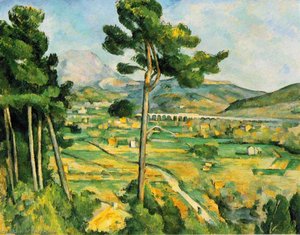
x

Impressão giclée ou em tela de qualidade de museu, com produção rápida e opções flexíveis de acabamento. ( Encomendar reprodução pintada à mão Comprar imagem em alta resolução)





























Escolha entre os nossos tamanhos pré-definidos que respeitam as proporções originais da obra de arte.

Você pode inserir suas próprias dimensões para se ajustar a uma moldura ou espaço específico. Se o tamanho selecionado não corresponder às proporções da imagem original, iremos recortar a obra de arte ou estender a imagem com uma borda espelhada ou preenchimento sólido. Um mockup digital será enviado para sua aprovação antes do início da produção.
Por favor, observe que a visualização na tela não reflete o recorte ou a extensão real. Apenas o mockup mostrará com precisão a composição final.
Embora tamanhos personalizados estejam disponíveis, recomendamos selecionar uma dimensão da lista predefinida para preservar as proporções originais.
Entrega mundial () em 2 semanas, em vez das 4/5 semanas padrão. (14 Agosto)


untitled (3729)
Dimensões da Reprodução
Paul Cézanne's 1893 painting, *Rideau, Cruchon et Compotier* – “Curtain, Jug and Fruit Bowl” – isn’t merely a still life; it’s a meticulously constructed meditation on perception, form, and the very essence of seeing. More than just a depiction of everyday objects arranged on a table, this work represents a pivotal moment in art history, bridging the fleeting impressions of Impressionism with the nascent geometric explorations that would define Cubism. It's a piece that invites prolonged contemplation, revealing layers of meaning within its deceptively simple composition.
Cézanne’s approach to painting was revolutionary for his time. He rejected the traditional pursuit of capturing an immediate visual impression, instead focusing on distilling objects down to their fundamental shapes and structures. This is strikingly evident in *Rideau, Cruchon et Compotier*. The jug, the bowl, the curtain – each element isn’t rendered with photographic accuracy but rather as a series of interlocking planes and angles, suggesting depth and volume through careful manipulation of line and color. Notice how the curves of the jug mimic the contours of the fruit bowl, creating a visual harmony that transcends mere representation. This deliberate simplification wasn't about reducing reality; it was about revealing its underlying geometry – a principle he relentlessly pursued throughout his career.
Painted in Cézanne’s studio in Auvers-sur-Oise, just outside Paris, *Rideau, Cruchon et Compotier* offers a glimpse into the artist's working environment. The objects – a simple earthenware jug, a fruit bowl brimming with apples and oranges, and a draped curtain – were commonplace items, yet Cézanne imbued them with an extraordinary sense of significance. He often used his own possessions as subjects, creating a personal vocabulary of forms and colors that reflected his unique vision. The arrangement itself feels deliberately staged, almost theatrical, suggesting a carefully considered composition rather than a spontaneous snapshot.
Cézanne’s meticulous attention to detail is remarkable. The brushstrokes are visible, yet they don't create a sense of texture or surface quality. Instead, they contribute to the overall structure and form of the objects, acting as building blocks that define their shape and volume. The use of color is equally deliberate – muted tones dominate, creating a sense of stillness and tranquility. The subtle variations in hue and value suggest light and shadow, but without resorting to traditional shading techniques. This restrained palette allows the forms themselves to take center stage.
While Cézanne avoided overt symbolism, *Rideau, Cruchon et Compotier* is rich with subtle visual cues that invite interpretation. The curtain, for example, can be seen as a barrier between the viewer and the objects within, creating a sense of distance and mystery. The jug, often associated with abundance and nourishment, hints at themes of life and sustenance. And the fruit itself – ripe and luscious – evokes feelings of pleasure and indulgence.
Beyond its formal qualities, *Rideau, Cruchon et Compotier* possesses a profound emotional resonance. It’s a painting that speaks to the quiet beauty of everyday objects, inviting us to slow down and appreciate the simple pleasures of life. Cézanne's masterful manipulation of form and color creates a sense of harmony and balance, suggesting a deep connection between the artist and his subject matter. The painting is not just about depicting a still life; it’s about capturing a feeling – a moment of contemplation and serenity.
*Rideau, Cruchon et Compotier* stands as a crucial link in the chain that led to modern art. Cézanne's radical approach to painting—his emphasis on form, structure, and geometric abstraction—inspired generations of artists, including Picasso and Braque, who would go on to develop Cubism. This work demonstrates his pioneering spirit, pushing beyond the limitations of traditional representation and paving the way for a new era in art history. Reproductions of this iconic piece offer a tangible connection to Cézanne’s revolutionary vision, allowing viewers to experience firsthand the power and beauty of his groundbreaking style.


1839 - 1906 , França
Descubra as 25 obras-primas de Paul Cézanne, o mestre do pós-impressionismo! Explore a história, técnica e cores vibrantes por trás de quadros icônicos como 'Les Baigneurs' e 'Mont Sainte-Victoire'. Encontre reproduções de arte exclusivas para decorar sua casa com elegância em Most-Famous-Paintings.com.

Explore the rich history of still life painting & the symbolism of fruit across art movements. Discover masterpieces from Caravaggio to Cézanne with Most-Famous-Paintings – expert guidance & museum-quality reproductions.
Embark on a sensory journey through Impressionist masterpieces. Discover how Renoir and Cézanne captured the vibrant light and luscious textures of sun-drenched oranges in exquisite still life paintings designed to inspire and transform your home.

Explore the rich history of still life painting with Most-Famous-Paintings. Discover Dutch Masters, decode vanitas symbolism & learn about collecting timeless art. Expert insights and museum-quality reproductions.

Explore the rich history & symbolism of still life painting with Most-Famous-Paintings. Discover masterpieces from the Dutch Golden Age, learn about vanitas art, and find expert guidance for collecting timeless artworks.


Fique por dentro das últimas notícias de arte, ofertas exclusivas e ideias de decoração.
Conte-nos sobre o seu projeto e os nossos especialistas em arte fornecerão 3 sugestões de arte personalizadas.
Deixe que selecionamos 3 opções especialmente para você – Grátis!


 Visualizar em escala
 Enviar
 Compartilhar
 Ver detalhes

 Baixar
 Semelhantes
 Raio X
 Apresentação de slides
 Ver mais







 A opção de vidro está disponível apenas para tamanhos inferiores a 110 cm